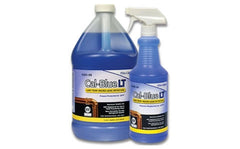
The NU-CALGON 4183-24 is a high-viscosity liquid bubble solution formulated to detect gas leaks in refrigeration, HVAC, and plumbing systems. Sold in a 1-quart spray bottle, this blue solution produces long-lasting bubbles at the point of application, making it easier for technicians to pinpoint leaks quickly. The non-corrosive formula protects metal fittings and valves from damage during testing. It is also safe for use around ultraviolet black lights, so UV leak detection workflows are not disrupted. HVAC technicians, refrigeration mechanics, and plumbers rely on this product for fast, reliable leak verification during service calls and system commissioning.
This leak detector is suitable for use with all refrigerants, natural gas, and oxygen service lines. It applies well to fittings, flare connections, brazed joints, valve stems, and threaded connections across residential and commercial systems. The spray bottle format allows precise, targeted application without over-saturating components. The high-viscosity formulation clings to surfaces and extends bubble life, giving technicians adequate time to observe leak activity even at low leak rates.
Key Features
High-viscosity formula produces long-lasting bubbles for extended observation time
Non-corrosive to metal fittings, valves, and brazed joints
Compatible with all refrigerants, natural gas, and oxygen service applications
Will not interfere with ultraviolet black light detection equipment
Blue-tinted liquid for easy visual identification during application
Ready-to-use 1-quart spray bottle requires no mixing or dilution
Compatibility
Suitable for use with all refrigerants, natural gas, and oxygen systems. Designed for leak testing on fittings, joints, and valve assemblies found in residential and commercial HVAC, refrigeration, and plumbing installations.
Installation Notes
Applied by licensed HVAC technicians, refrigeration mechanics, or plumbers during leak testing procedures. Before applying, ensure the system is pressurized to the appropriate test pressure per applicable code and that all electrical components are protected from liquid contact. Apply the solution directly to suspected leak points and observe for bubble formation. Wipe away residue with a clean cloth after testing is complete.