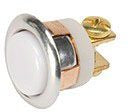
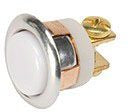
The EDWARDS 620-B is a low-voltage brass push button designed for doorbell and signaling system applications. Built with a brass construction, this push button provides durable, reliable contact closure for low-voltage circuits. At 0.05 pounds, it is a compact, lightweight component suited for residential and light commercial installations. Licensed electricians and HVAC technicians encounter this type of device when wiring or servicing doorbell systems, chime units, and other low-voltage signaling circuits that require a momentary-contact switch at the point of call.
The 620-B is intended for use in low-voltage signaling systems where a surface-mounted or flush-mounted momentary push button is required. Its brass body makes it appropriate for installations where corrosion resistance and a finished appearance matter, such as entryway and door-frame mounting locations in residential buildings and light commercial facilities.
Key Features
Brass construction for corrosion resistance and a finished appearance
Low-voltage rated for doorbell, chime, and signaling circuit applications
Compact and lightweight at 0.05 pounds
Momentary-contact push button operation for standard signaling use
5/8 inch form factor for straightforward surface or door-frame installation
Compatibility
Designed as an OEM-style replacement or new-installation push button for residential and light commercial low-voltage doorbell and signaling systems.
Installation Notes
Installation is typically performed by a licensed electrician or qualified low-voltage technician. De-energize the signaling circuit at the transformer or panel before making any wiring connections. Follow applicable NEC guidelines for low-voltage wiring when routing conductors to the push button. Avoid over-tightening mounting hardware, as the brass body can be damaged by excessive force.
WARNING:
This product can expose you to chemicals including lead, which are known to the State of California to cause cancer and birth defects or other reproductive harm. For more information go to www.P65Warnings.ca.gov.