


Search
-
HVAC Equipment
-
Ductless Mini Splits
- Ductless Mini Splits
- Shop By Zone
- Shop by BTU
- Shop By Brand
- Components
- Accessories
-
HVAC Parts & Supplies
- HVAC Parts & Supplies
- HVAC Supplies
- HVAC Tools
-
HVAC Replacement Parts
- Blower Housing & Assemblies
- Blower Wheels
- Breakers, Contactors & Disconnects
- Capacitors & Transformers
- Control & Circuit Boards
- Filter Driers & Accumulators
- Gas Valves & Conversion Kits
- Heat Exchangers
- Thermal Expansion Valves (TXV)
- Temperature Controls
- Wall Brackets & Parts
- Miscellaneous Parts
- O-Rings & Gaskets
- Hydronics
- Motors
- Thermostats & Zoning
-
Plumbing
-
Pool
-
Electrical
-
Air Quality
-
Tools & Supplies
-
Door Security & Hardware


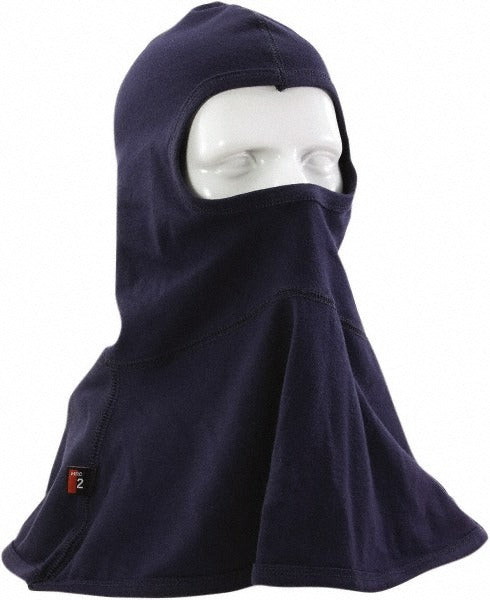
Pip 385-FRBL11-NV Arc Flash Fr Balaclava Hood Hrc 2
Availability:
In Stock

Ships same day if ordered by 12 pm
- $53.25
- $53.25
- Unit price
- / per
✓
Better Price in Cart
Manufacturer pricing rules prevent us from advertising our discount — no account or email required to see it.
-
Secure Payments
-
Easy Returns
-
Expert Advice
-
Fast Shipping
Product Description
The PIP 385-FRBL11-NV is a flame-resistant balaclava-style arc flash hood designed to protect the head, face, and neck during energized electrical work. Constructed from 100% FR cotton knit fabric, it provides a maximum arc flash protection rating of 11.8 cal/cm2, meeting the requirements for Hazard Risk Category 2 (HRC 2) tasks. The self-binding finish at the edges eliminates raw fabric margins and helps maintain structural integrity through repeated launderings. Electricians and electrical maintenance technicians working on exposed energized equipment rely on FR hood protection as part of a layered arc flash PPE system. This hood weighs 0.12 pounds, making it a lightweight addition to a compliant PPE ensemble.
This hood is suited for residential and commercial electrical maintenance environments where HRC 2 arc flash hazards are present. Typical applications include switchgear inspection, panelboard work, and other tasks on systems where the incident energy analysis or PPE tables classify the hazard at or below 11.8 cal/cm2. It is worn as part of a full arc flash PPE ensemble that may include a face shield or arc-rated balaclava over standard FR garments. The balaclava design provides full head and neck coverage, which is critical for tasks where the worker is working in close proximity to energized bus or terminations.
Key Features
- 100% FR cotton knit construction provides inherent flame resistance that does not wash out
- Maximum arc flash protection of 11.8 cal/cm2 rated for HRC 2 tasks
- Balaclava design covers the head, face opening, and neck for broad coverage
- Self-binding edges reinforce the hood perimeter and extend garment service life
- Lightweight at 0.12 pounds for comfort during extended wear
Compatibility
Designed as an arc-rated balaclava hood for use within HRC 2 arc flash PPE ensembles in compliance with NFPA 70E requirements for energized electrical work.
Installation Notes
Arc flash PPE must be donned before approaching the arc flash boundary on energized equipment. This hood should be inspected before each use for tears, contamination, or damage that could compromise protection. FR garments must not be worn over non-FR base layers that could melt onto the skin in an arc event. Maintenance, inspection, and selection of arc flash PPE should follow NFPA 70E and the site-specific arc flash hazard analysis.
Technical Specifications

Complete your install
We pulled together the parts most installs need for this unit, plus a few add-ons worth a look. Check what you need — nothing here blocks checkout.
Loading install accessories...
Add install kit to cart
—
Related Products
- Choosing a selection results in a full page refresh.