


Search
-
HVAC Equipment
-
Ductless Mini Splits
- Ductless Mini Splits
- Shop By Zone
- Shop by BTU
- Shop By Brand
- Components
- Accessories
-
HVAC Parts & Supplies
- HVAC Parts & Supplies
- HVAC Supplies
- HVAC Tools
-
HVAC Replacement Parts
- Blower Housing & Assemblies
- Blower Wheels
- Breakers, Contactors & Disconnects
- Capacitors & Transformers
- Control & Circuit Boards
- Filter Driers & Accumulators
- Gas Valves & Conversion Kits
- Heat Exchangers
- Thermal Expansion Valves (TXV)
- Temperature Controls
- Wall Brackets & Parts
- Miscellaneous Parts
- O-Rings & Gaskets
- Hydronics
- Motors
- Thermostats & Zoning
-
Plumbing
-
Pool
-
Electrical
-
Air Quality
-
Tools & Supplies
-
Door Security & Hardware


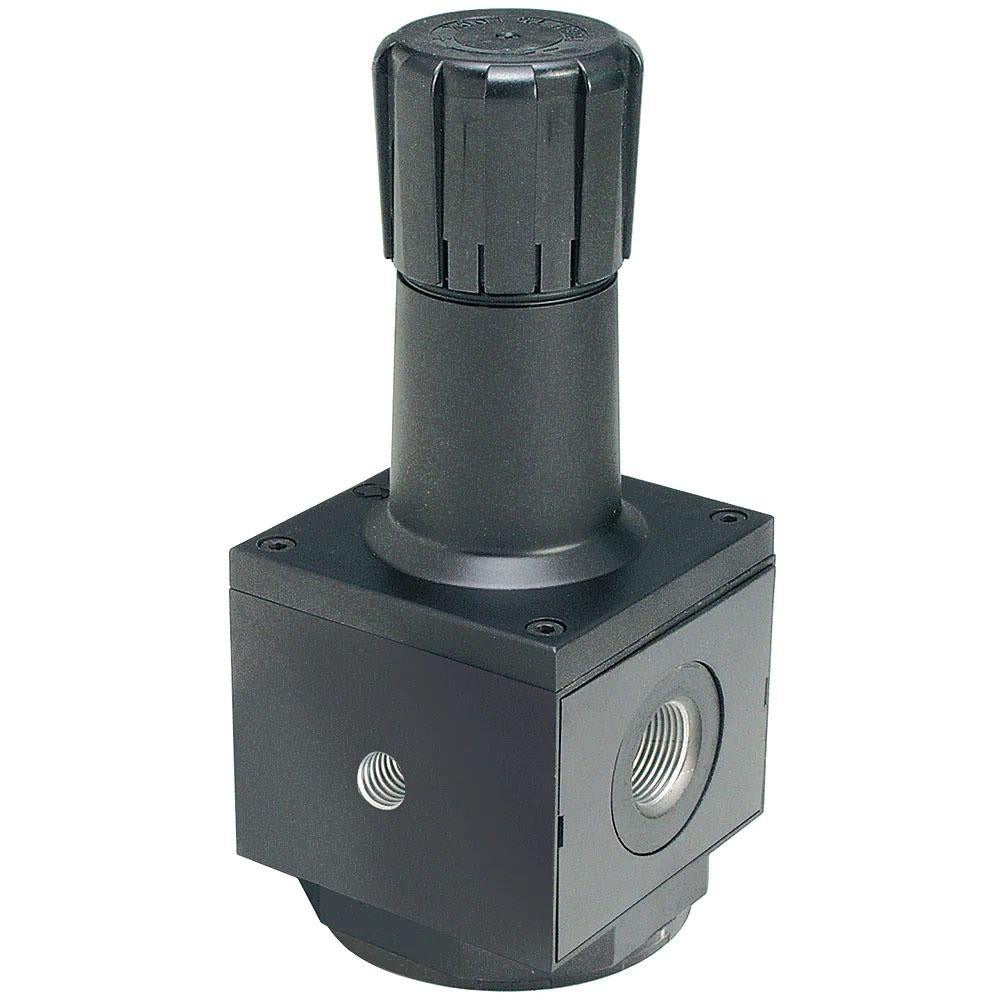
Parker P3NRA9PBNN Air Regulator 1-1/2 in Npt 250 Psi
Availability:
Out Of Stock
- $523.48
- $523.48
- Unit price
- / per
✓
Better Price in Cart
Manufacturer pricing rules prevent us from advertising our discount — no account or email required to see it.

Secure Payments
-
Easy Returns
-
Expert Advice
-
Fast Shipping
Product Description
The PARKER P3NRA9PBNN is a heavy-duty compressed air regulator designed to control and maintain downstream air pressure in industrial and commercial pneumatic systems. Built from aluminum, it accepts a 1-1/2 inch NPT port connection and handles a maximum supply pressure of 250 psi with an adjustable output range of 2 to 125 psi. With a maximum air flow rating of 300 CFM and a rated flow of 141.6 CFM, this regulator suits high-demand applications where stable, consistent pressure is critical. A built-in relief function helps protect downstream equipment from overpressure events. Licensed HVAC technicians, industrial maintenance techs, and pipefitters install this type of regulator in compressed air distribution systems.
The P3NRA9PBNN is suited for plant air systems, heavy production lines, and other applications requiring a large-bore, high-flow regulator. The 1-1/2 inch NPT connection makes it appropriate for main air headers or branch feeds supplying multiple tools or processes. The modular connection design supports integration into Parker's P3NR series modular filter-regulator-lubricator assemblies, allowing techs to build or expand multi-component air preparation stations. Minimum operating temperature is 32 degrees F. No pressure gauge is included, though a 1/4 inch gauge port is available for a field-installed gauge.
Key Features
- Heavy-duty aluminum body rated for up to 250 psi maximum supply pressure
- Wide pressure adjustment range: 2 to 125 psi output
- High-flow capacity rated at 300 CFM maximum air flow
- 1-1/2 inch NPT end connections for large-bore main-line installations
- Integrated relief function protects downstream equipment from overpressure
- Modular connection compatible with Parker P3NR series components
- 1/4 inch gauge port for optional field-installed pressure gauge
Compatibility
Designed for use within the Parker P3NR series of modular compressed air preparation components. Compatible with NPT-threaded compressed air distribution systems operating within the rated pressure and temperature range.
Installation Notes
Installation should be performed by a qualified industrial pipefitter or pneumatic systems technician. Isolate and depressurize the air supply line completely before installing or servicing this regulator. Apply appropriate thread sealant to NPT connections per shop practice and verify all fittings for leaks after pressurizing. Consult applicable local codes and the manufacturer documentation for mounting orientation and upstream filtration requirements.
Technical Specifications

Complete your install
We pulled together the parts most installs need for this unit, plus a few add-ons worth a look. Check what you need — nothing here blocks checkout.
Loading install accessories...
Add install kit to cart
—
Related Products
- Choosing a selection results in a full page refresh.