


Search
-
HVAC Equipment
-
Ductless Mini Splits
- Ductless Mini Splits
- Shop By Zone
- Shop by BTU
- Shop By Brand
- Components
- Accessories
-
HVAC Parts & Supplies
- HVAC Parts & Supplies
- HVAC Supplies
- HVAC Tools
-
HVAC Replacement Parts
- Blower Housing & Assemblies
- Blower Wheels
- Breakers, Contactors & Disconnects
- Capacitors & Transformers
- Control & Circuit Boards
- Filter Driers & Accumulators
- Gas Valves & Conversion Kits
- Heat Exchangers
- Thermal Expansion Valves (TXV)
- Temperature Controls
- Wall Brackets & Parts
- Miscellaneous Parts
- O-Rings & Gaskets
- Hydronics
- Motors
- Thermostats & Zoning
-
Plumbing
-
Pool
-
Electrical
-
Air Quality
-
Tools & Supplies
-
Door Security & Hardware


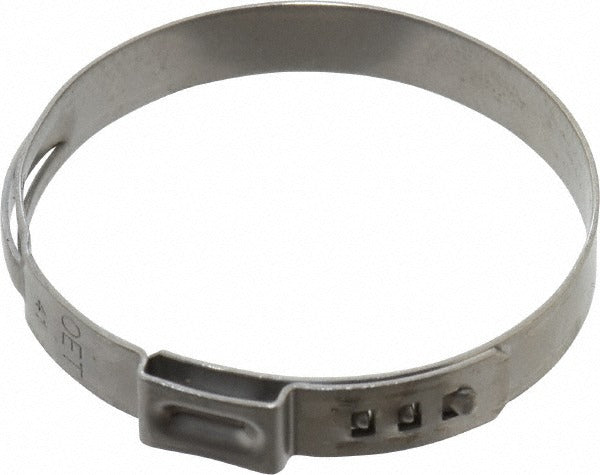
Oetiker 16705989-100 Ear Clamp 1-5/8 in Stainless
Availability:
In Stock

Ships same day if ordered by 12 pm
- $14.99
- $14.99
- Unit price
- / per
✓
Better Price in Cart
Manufacturer pricing rules prevent us from advertising our discount — no account or email required to see it.
-
Secure Payments
-
Easy Returns
-
Expert Advice
-
Fast Shipping
Product Description
The OETIKER 16705989-100 is a single-ear stepless clamp designed for secure, permanent hose and tubing connections in fluid and air handling systems. The ear clamp works by deforming a single ear section when crimped, applying uniform 360-degree compression around the hose. With a 1-5/8-inch nominal size, 7 mm band width, and 0.6 mm band thickness, this clamp provides a low-profile, vibration-resistant seal. Constructed from stainless steel, it resists corrosion in wet, chemical-exposed, and outdoor environments. HVAC technicians, plumbers, and refrigeration mechanics install these clamps where worm-gear or spring clamps are not acceptable and a tamper-evident, leak-free connection is required.
Ear clamps in this size range are commonly used on heater hose connections, coolant bypass lines, PEX tubing fittings, low-pressure pneumatic lines, and flexible duct collars. The 1-5/8-inch nominal diameter suits a wide range of standard hose and tubing found in residential and light commercial HVAC systems, plumbing rough-in work, and hydronic heating installations. These clamps are installed using a dedicated ear clamp pincer tool or compatible crimping pliers and are not intended for repositioning after crimping.
Key Features
- 1-5/8-inch nominal clamp size for precise fitment on standard hose and tubing
- Single-ear design provides uniform 360-degree compression when crimped
- Stainless steel construction resists corrosion in wet and chemically exposed environments
- 7 mm band width and 0.6 mm band thickness for a low-profile installation footprint
- 10 mm inner ear width supports consistent crimp engagement with standard pincer tooling
- Permanent, tamper-evident seal once installed — not reusable after crimping
Compatibility
Designed as an OEM-style replacement or new-installation ear clamp for standard 1-5/8-inch hose and tubing connections in HVAC, plumbing, and hydronic systems.
Installation Notes
Installation requires a dedicated ear clamp pincer tool or calibrated crimping pliers rated for the clamp ear width — do not use slip-joint or tongue-and-groove pliers as a substitute. Shut off fluid flow and depressurize the line before installing or inspecting clamps on pressurized systems. Once crimped, the clamp is permanently deformed and must be cut off for removal — plan for single-use application. Follow applicable plumbing and mechanical codes, including IPC and IMC guidelines, for hose connection requirements in the system being serviced.
Technical Specifications

Complete your install
We pulled together the parts most installs need for this unit, plus a few add-ons worth a look. Check what you need — nothing here blocks checkout.
Loading install accessories...
Add install kit to cart
—
Related Products
- Choosing a selection results in a full page refresh.