


Search
-
HVAC Equipment
-
Ductless Mini Splits
- Ductless Mini Splits
- Shop By Zone
- Shop by BTU
- Shop By Brand
- Components
- Accessories
-
HVAC Parts & Supplies
- HVAC Parts & Supplies
- HVAC Supplies
- HVAC Tools
-
HVAC Replacement Parts
- Blower Housing & Assemblies
- Blower Wheels
- Breakers, Contactors & Disconnects
- Capacitors & Transformers
- Control & Circuit Boards
- Filter Driers & Accumulators
- Gas Valves & Conversion Kits
- Heat Exchangers
- Thermal Expansion Valves (TXV)
- Temperature Controls
- Wall Brackets & Parts
- Miscellaneous Parts
- O-Rings & Gaskets
- Hydronics
- Motors
- Thermostats & Zoning
-
Plumbing
-
Pool
-
Electrical
-
Air Quality
-
Tools & Supplies
-
Door Security & Hardware


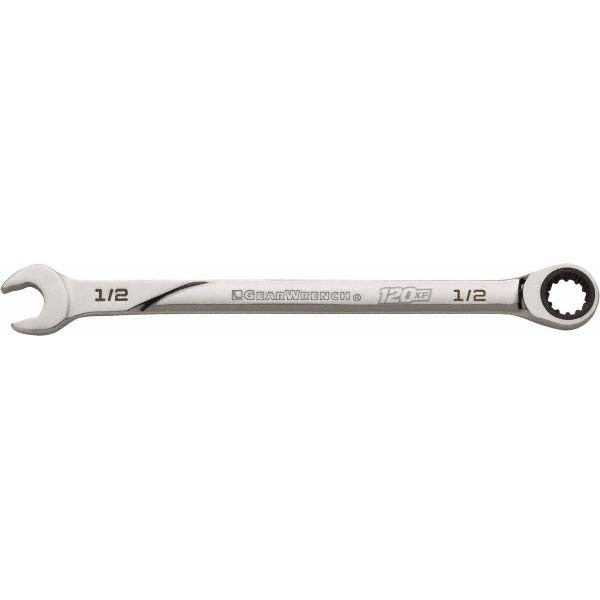
Gearwrench 86431 Ratcheting Combination Wrench 1/4 Inch
Availability:
In Stock

Ships same day if ordered by 12 pm
- $29.32
- $29.32
- Unit price
- / per
✓
Better Price in Cart
Manufacturer pricing rules prevent us from advertising our discount — no account or email required to see it.
-
Secure Payments
-
Easy Returns
-
Expert Advice
-
Fast Shipping
Product Description
The GEARWRENCH 86431 is a 1/4-inch ratcheting combination wrench designed for fastener work in tight spaces where a full swing is not possible. The ratcheting box end allows forward drive without removing and repositioning the wrench, saving time on repetitive fastener tasks. Built from chromium-vanadium steel with a polished finish, this wrench resists corrosion and handles the torque demands of daily trade use. It measures 5.31 inches overall length and weighs 0.132 pounds. The 12-point box end engages fasteners at multiple angles, reducing slippage on worn or tight hardware. Licensed trades and experienced mechanics rely on this type of wrench for under-dash electrical work, plumbing access panels, equipment enclosures, and HVAC component fastening.
The 86431 suits residential and light commercial service work where 1/4-inch fasteners appear on control panels, brackets, junction boxes, and mechanical equipment covers. Its compact 5.31-inch length fits into confined areas around ductwork, electrical panels, and plumbing fixture assemblies. The 0-degree offset head keeps the wrench profile low against flat work surfaces. Technicians working in HVAC, electrical, and plumbing trades will find this wrench a standard addition to a service kit where small-fastener access is routine.
Key Features
- Ratcheting box end drives fasteners without lifting and repositioning the wrench
- 12-point head engages 1/4-inch fasteners at multiple approach angles
- Chromium-vanadium steel construction for corrosion resistance and durability
- Polished finish resists surface oxidation in humid or wet service environments
- 0-degree offset head maintains a low profile on flat surfaces
- Meets ASME B107.6 and ANSI standards
- Limited lifetime warranty
Compatibility
Designed for use with 1/4-inch SAE fasteners in standard hex configurations. Suitable for general service applications across HVAC, electrical, plumbing, and mechanical trades where 1/4-inch combination wrench access is required.
Installation Notes
No power-down or system shutoff is required for the wrench itself, but always de-energize electrical systems and shut off gas or water supply before working on any components being fastened or unfastened. Use appropriate personal protective equipment when working in confined or energized environments. The ratcheting mechanism should be inspected periodically for debris or wear that could cause slippage under load.
Technical Specifications

Complete your install
We pulled together the parts most installs need for this unit, plus a few add-ons worth a look. Check what you need — nothing here blocks checkout.
Loading install accessories...
Add install kit to cart
—
Related Products
- Choosing a selection results in a full page refresh.