


Search
-
HVAC Equipment
-
Ductless Mini Splits
- Ductless Mini Splits
- Shop By Zone
- Shop by BTU
- Shop By Brand
- Components
- Accessories
-
HVAC Parts & Supplies
- HVAC Parts & Supplies
- HVAC Supplies
- HVAC Tools
-
HVAC Replacement Parts
- Blower Housing & Assemblies
- Blower Wheels
- Breakers, Contactors & Disconnects
- Capacitors & Transformers
- Control & Circuit Boards
- Filter Driers & Accumulators
- Gas Valves & Conversion Kits
- Heat Exchangers
- Thermal Expansion Valves (TXV)
- Temperature Controls
- Wall Brackets & Parts
- Miscellaneous Parts
- O-Rings & Gaskets
- Hydronics
- Motors
- Thermostats & Zoning
-
Plumbing
-
Pool
-
Electrical
-
Air Quality
-
Tools & Supplies
-
Door Security & Hardware


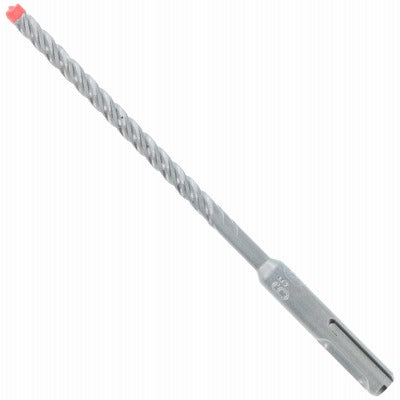

Freud DMAPL4070 Sds-plus Hammer Bit Full Carbide 4-cutter
Availability:
Out Of Stock
Ships in 3 - 4 Business Days
- $37.33
- $37.33
- Unit price
- / per
✓
Better Price in Cart
Manufacturer pricing rules prevent us from advertising our discount — no account or email required to see it.

Secure Payments
-
Easy Returns
-
Expert Advice
-
Fast Shipping
Product Description
The FREUD DMAPL4070 is a 1/4-inch x 4-inch x 6-inch SDS-Plus hammer bit built for drilling through concrete containing rebar. This bit features a full-carbide head with four cutters, designed to handle the combined stress of high-powered rotary hammer impact and direct rebar contact. The full-carbide head is manufactured using tri-metal diffusion bonding technology, which resists heat buildup and reduces the risk of head breakage during aggressive drilling. The precision tip geometry promotes hole accuracy and stability, making this bit appropriate for ANSI-compliant anchor-setting applications. Licensed contractors and concrete drilling crews working on structural fastening tasks will find this bit suited to demanding production environments.
The DMAPL4070 is intended for use in concrete substrates where embedded rebar is present, a condition that destroys standard hammer bits quickly. It is optimized for both corded and cordless SDS-Plus and SDS-Max rotary hammers, making it versatile across a range of jobsite equipment. Typical applications include anchor hole drilling for structural attachments, post-installed fastener systems, and any through-concrete drilling task governed by ANSI anchor-setting standards. This bit is sold in a package of five units, supporting repeated use and crew-level stocking.
Key Features
- Full-carbide head with four cutters handles direct rebar impact without tip failure
- Tri-metal diffusion bonding technology bonds the carbide head for heat resistance and fracture prevention
- Precision tip geometry supports fast, accurate holes for ANSI-approved anchor setting in rebar-reinforced concrete
- Compatible with both corded and cordless SDS-Plus and SDS-Max rotary hammers
- Sold in a 5-piece package for jobsite stocking
Compatibility
Optimized for maximum performance in corded and cordless SDS-Plus and SDS-Max rotary hammers. Designed for drilling anchor holes in rebar-reinforced concrete per ANSI anchor-setting requirements.
Installation Notes
Installation is performed by licensed contractors or experienced concrete drilling tradespeople. Power down the rotary hammer and confirm the SDS chuck is fully seated and locked before drilling begins. When drilling into reinforced concrete, confirm structural drawings or use a rebar scanner to locate rebar positions before committing to a hole location. Follow applicable building code and anchor manufacturer specifications for hole diameter, depth, and cleaning procedure prior to anchor installation.
Technical Specifications

Complete your install
We pulled together the parts most installs need for this unit, plus a few add-ons worth a look. Check what you need — nothing here blocks checkout.
Loading install accessories...
Add install kit to cart
—
Related Products
- Choosing a selection results in a full page refresh.