


Search
-
HVAC Equipment
-
Ductless Mini Splits
- Ductless Mini Splits
- Shop By Zone
- Shop by BTU
- Shop By Brand
- Components
- Accessories
-
HVAC Parts & Supplies
- HVAC Parts & Supplies
- HVAC Supplies
- HVAC Tools
-
HVAC Replacement Parts
- Blower Housing & Assemblies
- Blower Wheels
- Breakers, Contactors & Disconnects
- Capacitors & Transformers
- Control & Circuit Boards
- Filter Driers & Accumulators
- Gas Valves & Conversion Kits
- Heat Exchangers
- Thermal Expansion Valves (TXV)
- Temperature Controls
- Wall Brackets & Parts
- Miscellaneous Parts
- O-Rings & Gaskets
- Hydronics
- Motors
- Thermostats & Zoning
-
Plumbing
-
Pool
-
Electrical
-
Air Quality
-
Tools & Supplies
-
Door Security & Hardware


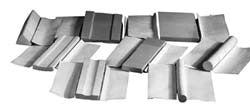

Esab 693000184 Triangle Ceramic Weld Backing 1 Inch 60 Degree

Availability:
In Stock
Ships same day if ordered by 12 pm
- $343.18
- $343.18
- Unit price
- / per
✓
Better Price in Cart
Manufacturer pricing rules prevent us from advertising our discount — no account or email required to see it.
-
Secure Payments
-
Easy Returns
-
Expert Advice
-
Fast Shipping
Product Description
The ESAB 693000184 is a triangle-profile ceramic weld backing tile used to support the weld pool on the root pass of a joint. Ceramic backing holds molten metal in place during single-sided welding, allowing the welder to achieve full-penetration fusion without a backing bar or second-side access. Each tile measures 1 inch in length and is cut to a 60-degree angle, making it suited for angled joint configurations where a standard flat tile would not conform to the geometry. The box contains 24 tiles and weighs approximately 1 pound. These tiles are installed by certified welders and welding fabricators working on structural, piping, or plate applications.
Triangle ceramic weld backing tiles at a 60-degree angle are typically used in joint configurations that require precise root support at intersecting or angled members. Common applications include structural steel fabrication, pipe fitting, and plate work where single-sided access is the only practical option. The 1-inch length suits short or segmented joint runs and tight-radius work. These tiles are appropriate for both shop fabrication environments and field welding scenarios where back-gouging or back-welding is not feasible.
Key Features
- Triangle backing profile supports root pass at angled joint geometries
- 60-degree angle cut for precise fit at intersecting or beveled members
- 1-inch tile length suited for segmented or curved joint applications
- Ceramic material withstands weld pool heat without contaminating the root bead
- 24 tiles per box for consistent, job-lot purchasing
Compatibility
Designed as an OEM-style ceramic weld backing tile for single-sided groove weld applications on steel plate and structural members requiring a 60-degree angled triangle profile.
Installation Notes
Ceramic weld backing tiles are applied by qualified welders following applicable welding procedure specifications (WPS) per AWS or applicable code. Tiles should be pressed firmly against the root face and secured with backing tape or a suitable fixturing method before striking an arc. Ensure the joint surface is clean, dry, and free of mill scale, oil, or moisture in the tile contact area prior to installation. Remove ceramic tile fragments after welding is complete and inspect the root bead per the applicable inspection standard before proceeding with fill passes.
Technical Specifications

Complete your install
We pulled together the parts most installs need for this unit, plus a few add-ons worth a look. Check what you need — nothing here blocks checkout.
Loading install accessories...
Add install kit to cart
—
Related Products
- Choosing a selection results in a full page refresh.