


Search
-
HVAC Equipment
-
Ductless Mini Splits
- Ductless Mini Splits
- Shop By Zone
- Shop by BTU
- Shop By Brand
- Components
- Accessories
-
HVAC Parts & Supplies
- HVAC Parts & Supplies
- HVAC Supplies
- HVAC Tools
-
HVAC Replacement Parts
- Blower Housing & Assemblies
- Blower Wheels
- Breakers, Contactors & Disconnects
- Capacitors & Transformers
- Control & Circuit Boards
- Filter Driers & Accumulators
- Gas Valves & Conversion Kits
- Heat Exchangers
- Thermal Expansion Valves (TXV)
- Temperature Controls
- Wall Brackets & Parts
- Miscellaneous Parts
- O-Rings & Gaskets
- Hydronics
- Motors
- Thermostats & Zoning
-
Plumbing
-
Pool
-
Electrical
-
Air Quality
-
Tools & Supplies
-
Door Security & Hardware


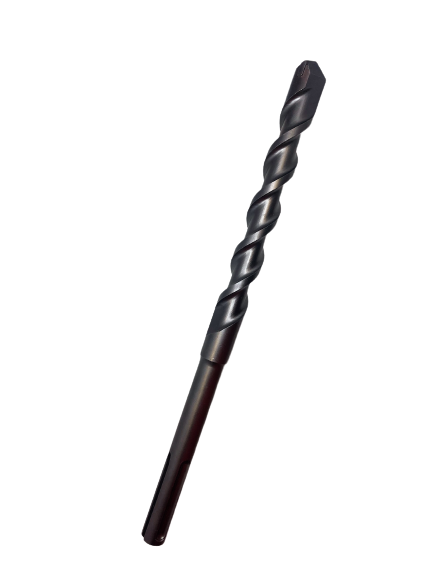

Eagle Cutting Tool SDSM-8750-13-D Sds Max Drill Bit
Availability:
In Stock

Ships same day if ordered by 12 pm
- $42.53
- $42.53
- Unit price
- / per
✓
Better Price in Cart
Manufacturer pricing rules prevent us from advertising our discount — no account or email required to see it.
-
Secure Payments
-
Easy Returns
-
Expert Advice
-
Fast Shipping
Product Description
The EAGLE CUTTING TOOL SDSM-8750-13-D is a 7/8-inch diameter by 13-inch overall length SDS Max rotary hammer drill bit manufactured in the USA. Designed for use in SDS Max rotary hammers, this bit bores through concrete, masonry, and block with the high-impact engagement the SDS Max shank system is built for. At 2.16 pounds, it carries the mass expected of a full-length bit capable of penetrating reinforced slabs and thick masonry walls. Licensed electricians, plumbers, HVAC installers, and general contractors reach for SDS Max bits when hammer drilling through foundation walls, concrete decks, or CMU block for sleeve anchors, conduit penetrations, and pipe hangers.
This bit is suited for commercial and residential applications where a standard SDS Plus shank lacks the power transfer needed for large-diameter, deep-bore work. The 7/8-inch diameter is a common size for drop-in anchors, wedge anchors, and conduit knockout sleeves. The 13-inch length provides working depth beyond typical slab thickness, making it practical for through-floor and through-wall penetrations without requiring extensions.
Key Features
- SDS Max shank for use in SDS Max rotary hammers only — not compatible with SDS Plus chucks
- 7/8-inch cutting diameter suitable for common anchor and sleeve sizes
- 13-inch overall length for deep through-wall and through-slab bores
- USA manufactured
- 2.16-pound bit mass supports sustained hammer drilling in hard aggregate concrete
Compatibility
Designed for use in SDS Max rotary hammer drills. The SDS Max shank is a standardized interface used across major rotary hammer platforms in that drive class. Verify that your hammer accepts SDS Max tooling before ordering, as SDS Max and SDS Plus shanks are not interchangeable.
Installation Notes
SDS Max bits are installed and removed by licensed tradespeople and experienced operators using SDS Max-rated rotary hammers — no chuck key is required due to the tool-free SDS locking mechanism. Always power down and disconnect the hammer before changing bits. Wear appropriate eye protection and hearing protection during drilling operations in concrete or masonry. Confirm anchor manufacturer specifications for finished hole diameter and depth before drilling, as bit wear can reduce effective hole diameter.
Technical Specifications

Complete your install
We pulled together the parts most installs need for this unit, plus a few add-ons worth a look. Check what you need — nothing here blocks checkout.
Loading install accessories...
Add install kit to cart
—
Related Products
- Choosing a selection results in a full page refresh.