


Search
-
HVAC Equipment
-
Ductless Mini Splits
- Ductless Mini Splits
- Shop By Zone
- Shop by BTU
- Shop By Brand
- Components
- Accessories
-
HVAC Parts & Supplies
- HVAC Parts & Supplies
- HVAC Supplies
- HVAC Tools
-
HVAC Replacement Parts
- Blower Housing & Assemblies
- Blower Wheels
- Breakers, Contactors & Disconnects
- Capacitors & Transformers
- Control & Circuit Boards
- Filter Driers & Accumulators
- Gas Valves & Conversion Kits
- Heat Exchangers
- Thermal Expansion Valves (TXV)
- Temperature Controls
- Wall Brackets & Parts
- Miscellaneous Parts
- O-Rings & Gaskets
- Hydronics
- Motors
- Thermostats & Zoning
-
Plumbing
-
Pool
-
Electrical
-
Air Quality
-
Tools & Supplies
-
Door Security & Hardware


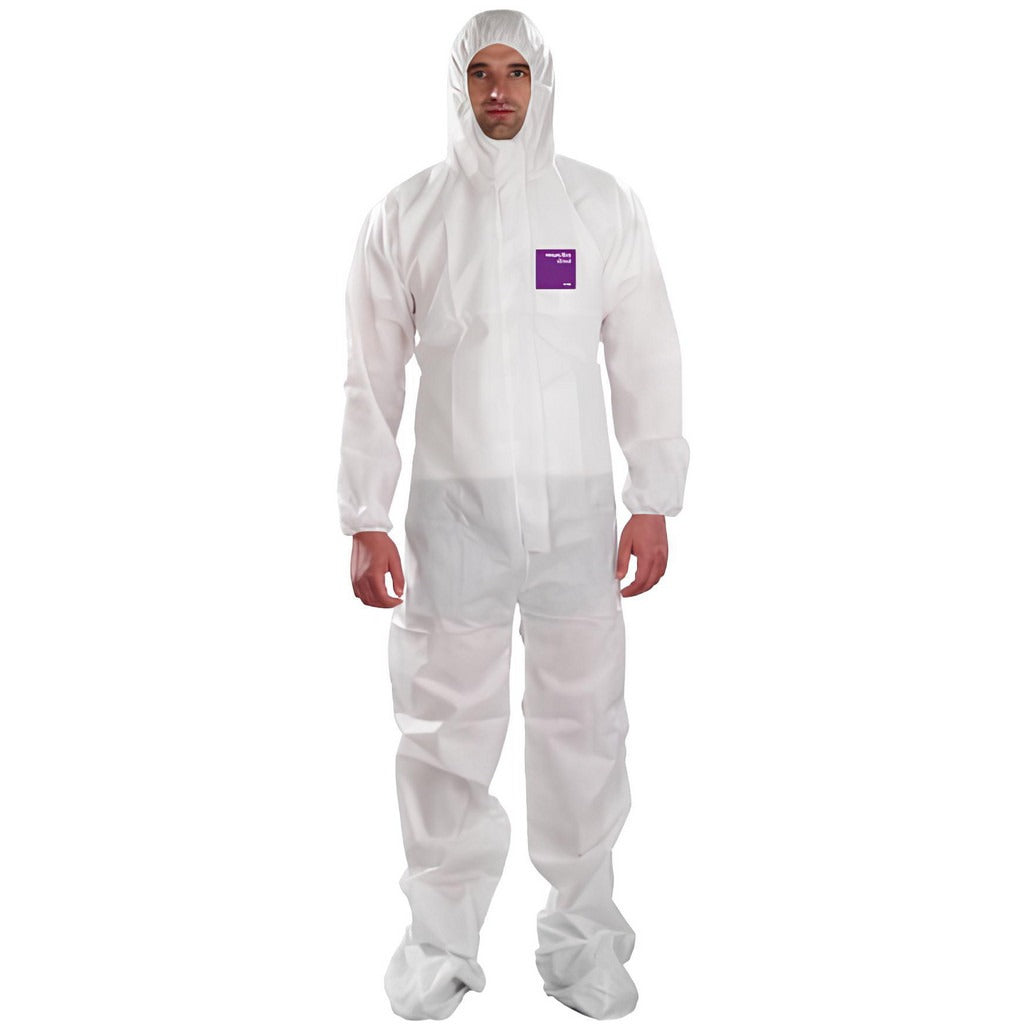
Ansell WH15-S-92-106-02 Disposable Coverall Small 25 Pack
Availability:
Out Of Stock
- $203.91
- $203.91
- Unit price
- / per
✓
Better Price in Cart
Manufacturer pricing rules prevent us from advertising our discount — no account or email required to see it.

Secure Payments
-
Easy Returns
-
Expert Advice
-
Fast Shipping
Product Description
The ANSELL WH15-S-92-106-02 is a disposable SMS coverall designed for single-use protection in industrial and maintenance environments. Constructed from particle-filtering SMS (spunbond-meltblown-spunbond) fabric weighing 1.42 oz per square yard, it filters 100% of particles larger than 3 microns while remaining breathable to help reduce heat stress. The two-way zipper with stormflap closure, serged seams, elastic cuffs, and elastic ankles provide a secure fit that limits particulate ingress. Licensed HVAC technicians, maintenance mechanics, painters, and general tradespeople reach for this coverall when working in dusty, dirty, or mildly contaminated spaces.
This coverall is suited for residential and commercial inspection tasks, general maintenance, handling of powders and dry materials, and asbestos-related work where a Type 5 or Type 6 barrier garment is required. The silicone-free SMS construction makes it a practical choice for spray-painting applications where silicone contamination would cause finish defects. It ships in a package of 25 units, making it practical for stocking a service vehicle or supply room. The size small fits smaller-framed technicians and is part of the ANSELL Series 1500-106 line.
Key Features
- Particle-filtering SMS fabric blocks 100% of particles over 3 microns
- Air and water vapor permeable construction reduces heat stress during extended wear
- Silicone-free material suitable for spray-painting and surface-finishing work
- Two-way zipper with stormflap closure for quick donning and doffing
- Elastic cuffs and elastic ankles minimize gap between suit and gloves or boots
- Serged seams and no external pockets keep particle shedding to a minimum
Compatibility
Designed as a single-use protective coverall for general industrial maintenance, inspection, powder handling, asbestos-related work, and spray-painting applications where a non-cleanroom ISO class, CE Category III Type 5 or Type 6 garment is specified.
Installation Notes
Donning and doffing should follow the site hazard assessment protocol — inspect the garment for tears or defects before use and discard after a single use or upon visible contamination. Power down equipment and follow applicable lockout-tagout procedures before donning PPE in electrical or mechanical service areas. Dispose of used coveralls in accordance with local regulations, particularly when the garment has been exposed to asbestos, chemical dust, or other regulated materials. Consult applicable OSHA standards and site safety plans to confirm this garment meets the required protection level for the specific task.
Technical Specifications

Complete your install
We pulled together the parts most installs need for this unit, plus a few add-ons worth a look. Check what you need — nothing here blocks checkout.
Loading install accessories...
Add install kit to cart
—
Related Products
- Choosing a selection results in a full page refresh.