


Search
-
HVAC Equipment
-
Ductless Mini Splits
- Ductless Mini Splits
- Shop By Zone
- Shop by BTU
- Shop By Brand
- Components
- Accessories
-
HVAC Parts & Supplies
- HVAC Parts & Supplies
- HVAC Supplies
- HVAC Tools
-
HVAC Replacement Parts
- Blower Housing & Assemblies
- Blower Wheels
- Breakers, Contactors & Disconnects
- Capacitors & Transformers
- Control & Circuit Boards
- Filter Driers & Accumulators
- Gas Valves & Conversion Kits
- Heat Exchangers
- Thermal Expansion Valves (TXV)
- Temperature Controls
- Wall Brackets & Parts
- Miscellaneous Parts
- O-Rings & Gaskets
- Hydronics
- Motors
- Thermostats & Zoning
-
Plumbing
-
Pool
-
Electrical
-
Air Quality
-
Tools & Supplies
-
Door Security & Hardware


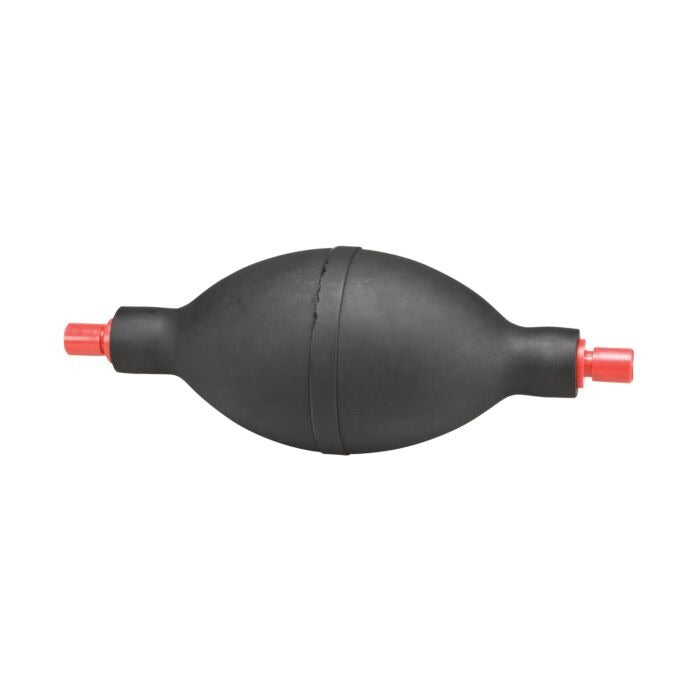

Msa Safety 16839 Aspirator Bulb with Check Valves
Availability:
In Stock

Ships same day if ordered by 12 pm
- $124.42
- $124.42
- Unit price
- / per
✓
Better Price in Cart
Manufacturer pricing rules prevent us from advertising our discount — no account or email required to see it.
-
Secure Payments
-
Easy Returns
-
Expert Advice
-
Fast Shipping
Product Description
The MSA SAFETY 16839 is an aspirator bulb assembly with integrated check valves, designed for use with MSA gas detection equipment in explosive atmosphere applications. The aspirator bulb creates manual suction to draw air or gas samples into a detector, allowing technicians to test areas that are not directly accessible for continuous monitoring. Check valves within the assembly maintain one-directional airflow, preventing backflow and ensuring accurate sample delivery to the detection instrument. Industrial hygienists, safety technicians, and confined space entry crews rely on this type of accessory to extend the reach of handheld gas detectors during pre-entry atmospheric testing.
This aspirator bulb is used in industrial, commercial, and confined space environments where combustible or explosive gas hazards may be present. Typical applications include tank entries, manhole inspections, pipeline maintenance, and any scenario where remote or indirect atmospheric sampling is required before personnel enter a potentially hazardous space. The check valve design supports repeatable squeeze-and-release sampling without manual flow control.
Key Features
- Integrated check valves maintain one-directional airflow for accurate gas sampling
- Manual squeeze operation extends sampling reach into confined or remote spaces
- Designed for use in explosive atmosphere gas detection applications
- Compatible with MSA gas detection instruments that accept aspirator bulb accessories
- Supports pre-entry atmospheric testing in confined space procedures
Compatibility
Designed as a replacement aspirator bulb accessory for MSA gas detection instruments equipped with an aspirator or remote sampling inlet. Verify fitting compatibility with the specific MSA detector model before installation.
Installation Notes
Installation and replacement of aspirator accessories should be performed by qualified safety technicians or industrial hygienists familiar with MSA gas detection equipment. Ensure the gas detector is powered down or in a safe standby state before disconnecting or replacing the aspirator bulb assembly. Confirm all check valves are seated and the tubing connections are secure before returning the instrument to service. Follow applicable OSHA confined space entry standards and site-specific safety protocols when using gas detection equipment in hazardous locations.
Technical Specifications

Complete your install
We pulled together the parts most installs need for this unit, plus a few add-ons worth a look. Check what you need — nothing here blocks checkout.
Loading install accessories...
Add install kit to cart
—
Related Products
- Choosing a selection results in a full page refresh.