


Search
-
HVAC Equipment
-
Ductless Mini Splits
- Ductless Mini Splits
- Shop By Zone
- Shop by BTU
- Shop By Brand
- Components
- Accessories
-
HVAC Parts & Supplies
- HVAC Parts & Supplies
- HVAC Supplies
- HVAC Tools
-
HVAC Replacement Parts
- Blower Housing & Assemblies
- Blower Wheels
- Breakers, Contactors & Disconnects
- Capacitors & Transformers
- Control & Circuit Boards
- Filter Driers & Accumulators
- Gas Valves & Conversion Kits
- Heat Exchangers
- Thermal Expansion Valves (TXV)
- Temperature Controls
- Wall Brackets & Parts
- Miscellaneous Parts
- O-Rings & Gaskets
- Hydronics
- Motors
- Thermostats & Zoning
-
Plumbing
-
Pool
-
Electrical
-
Air Quality
-
Tools & Supplies
-
Door Security & Hardware


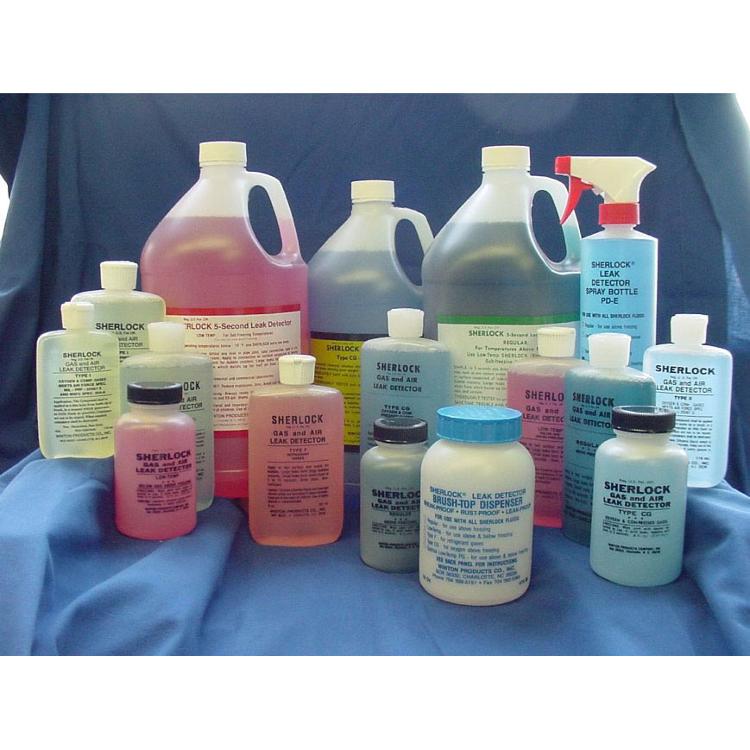

Winton Products LT-G-4 Gas Leak Detector 1 Gallon Low Temp
Availability:
Out Of Stock
- $22.63
- $22.63
- Unit price
- / per
✓
Better Price in Cart
Manufacturer pricing rules prevent us from advertising our discount — no account or email required to see it.

Secure Payments
-
Easy Returns
-
Expert Advice
-
Fast Shipping
Product Description
The WINTON PRODUCTS LT-G-4 is a bubble-type chemical leak detection fluid designed to locate leaks in pressurized gas and air systems. Supplied in a 1-gallon container, this white liquid works in low-temperature environments rated down to -55 degrees F, making it suitable for cold-weather service calls and refrigerated applications. It is applied by wiping with a brush or dauber, squirting from a squeeze bottle, or spraying with a trigger sprayer. The LT-G-4 is compatible with oxygen systems at both high and low pressure, as well as other compressed gases. HVAC technicians, plumbers, and gas fitters rely on this type of product for routine leak checks on lines, cylinders, and tanks.
The LT-G-4 is used to test pipe joints, tube connections, and tanks or systems under gas or air pressure. It is suited for both residential and commercial service work where a fast, reliable bubble-forming leak check is needed on pressurized systems. Compatible with oxygen and a broad range of compressed gases, it covers the majority of leak-testing scenarios encountered in HVAC, plumbing, and industrial gas applications. The squeeze bottle and trigger sprayer application methods allow technicians to target fittings and joints quickly without overapplication.
Key Features
- Bubble detection method provides immediate visual confirmation of leaks at joints, connections, and tanks
- Low-temperature rating of -55 degrees F allows use in cold-weather and refrigerated environments
- Compatible with oxygen systems at high and low pressure, as well as other compressed gases
- Multiple application methods supported: brush, dauber, squeeze bottle, or trigger sprayer
- 1-gallon liquid container provides high volume for commercial or fleet service use
- Suitable for pipe joints, tube connections, cylinders, and pressurized tanks
Compatibility
Designed for use on pressurized gas and air systems including those carrying pure oxygen at high or low pressure and other compressed gases. Suitable for leak testing pipe joints, tube connections, cylinders, and tanks. Not intended for use with oxygen systems in temperatures above freezing only — rated for low-temperature service down to -55 degrees F.
Installation Notes
This product is applied by licensed HVAC technicians, plumbers, or gas fitters during leak testing procedures on pressurized systems. Always depressurize and isolate sections of the system per applicable code before making repairs identified during testing. Apply only to the exterior surfaces of fittings, joints, and connections while the system is under its normal test pressure. Dispose of used fluid and containers in accordance with local regulations.
Technical Specifications

Complete your install
We pulled together the parts most installs need for this unit, plus a few add-ons worth a look. Check what you need — nothing here blocks checkout.
Loading install accessories...
Add install kit to cart
—
Related Products
- Choosing a selection results in a full page refresh.