


Search
-
HVAC Equipment
-
Ductless Mini Splits
- Ductless Mini Splits
- Shop By Zone
- Shop by BTU
- Shop By Brand
- Components
- Accessories
-
HVAC Parts & Supplies
- HVAC Parts & Supplies
- HVAC Supplies
- HVAC Tools
-
HVAC Replacement Parts
- Blower Housing & Assemblies
- Blower Wheels
- Breakers, Contactors & Disconnects
- Capacitors & Transformers
- Control & Circuit Boards
- Filter Driers & Accumulators
- Gas Valves & Conversion Kits
- Heat Exchangers
- Thermal Expansion Valves (TXV)
- Temperature Controls
- Wall Brackets & Parts
- Miscellaneous Parts
- O-Rings & Gaskets
- Hydronics
- Motors
- Thermostats & Zoning
-
Plumbing
-
Pool
-
Electrical
-
Air Quality
-
Tools & Supplies
-
Door Security & Hardware


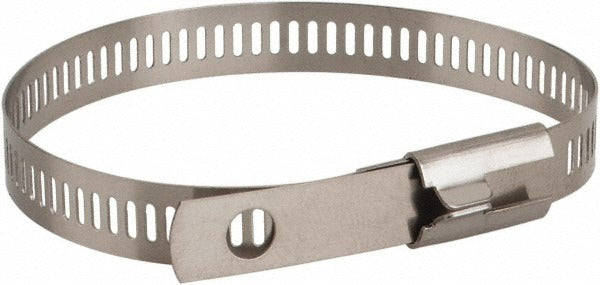

Thomas Betts TYS6-280 Stainless Steel Cable Tie 6in Black
Availability:
In Stock

Ships same day if ordered by 12 pm
- $15.95
- $15.95
- Unit price
- / per
✓
Better Price in Cart
Manufacturer pricing rules prevent us from advertising our discount — no account or email required to see it.
-
Secure Payments
-
Easy Returns
-
Expert Advice
-
Fast Shipping
Product Description
The THOMAS BETTS TYS6-280 is a standard-duty stainless steel cable tie designed for securing wire bundles and cable runs in demanding environments. At 6 inches in overall length and 0.28 inches wide, it delivers a rated tensile strength of 250 lb, making it suitable for high-load bundling applications. The black stainless steel construction provides resistance to chemicals, corrosion, and weathering, giving it a service life well beyond standard nylon ties in harsh or outdoor environments. Electrical contractors, HVAC technicians, and industrial maintenance trades use this style of tie where nylon would degrade from UV exposure, heat, or chemical contact.
This cable tie is suited for both residential and commercial applications where environmental exposure is a concern. Typical install scenarios include outdoor conduit bundling, rooftop HVAC equipment wire management, industrial enclosure cable dressing, and marine or chemical-plant service runs. The maximum bundle diameter of 1.9 inches accommodates most standard conduit and multi-cable groupings encountered in field work. Sold individually, it is appropriate for spot repairs or low-quantity service calls as well as larger installations.
Key Features
- 250 lb tensile strength for high-load bundling applications
- Black stainless steel construction resists chemicals, corrosion, and weathering
- 6 inches overall length with 0.28-inch width for positive grip and secure lock
- Maximum bundle diameter of 1.9 inches handles most field cable groupings
- 0.01-inch thickness allows low-profile installation in tight spaces
- UL Listed for use in code-compliant electrical and mechanical installations
Compatibility
Designed as a standard-style stainless steel cable tie for general wire bundling and cable management applications in electrical, HVAC, plumbing, and industrial service environments.
Installation Notes
Stainless steel cable ties are typically installed by electricians, HVAC technicians, or industrial maintenance trades using a standard cable-tie tensioning and cut-off tool rated for metal strap. De-energize any circuits in the work area before dressing wire bundles in electrical enclosures or panels. Cut tails flush after tensioning to avoid sharp edges that could damage insulation or create a safety hazard. Follow applicable NEC or local code requirements when securing conductors in electrical installations.
Technical Specifications

Complete your install
We pulled together the parts most installs need for this unit, plus a few add-ons worth a look. Check what you need — nothing here blocks checkout.
Loading install accessories...
Add install kit to cart
—
Related Products
- Choosing a selection results in a full page refresh.