


Search
-
HVAC Equipment
-
Ductless Mini Splits
- Ductless Mini Splits
- Shop By Zone
- Shop by BTU
- Shop By Brand
- Components
- Accessories
-
HVAC Parts & Supplies
- HVAC Parts & Supplies
- HVAC Supplies
- HVAC Tools
-
HVAC Replacement Parts
- Blower Housing & Assemblies
- Blower Wheels
- Breakers, Contactors & Disconnects
- Capacitors & Transformers
- Control & Circuit Boards
- Filter Driers & Accumulators
- Gas Valves & Conversion Kits
- Heat Exchangers
- Thermal Expansion Valves (TXV)
- Temperature Controls
- Wall Brackets & Parts
- Miscellaneous Parts
- O-Rings & Gaskets
- Hydronics
- Motors
- Thermostats & Zoning
-
Plumbing
-
Pool
-
Electrical
-
Air Quality
-
Tools & Supplies
-
Door Security & Hardware


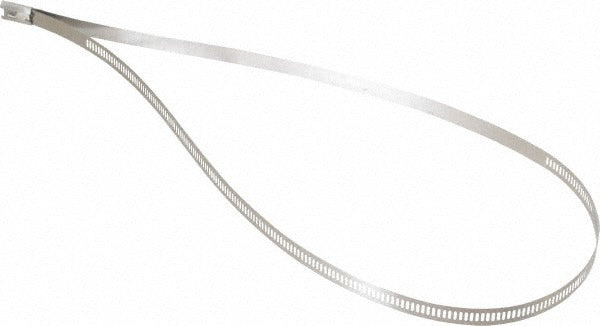
Thomas Betts TYS24-280 Stainless Steel Cable Tie 24 in
Availability:
In Stock

Ships same day if ordered by 12 pm
- $21.21
- $21.21
- Unit price
- / per
✓
Better Price in Cart
Manufacturer pricing rules prevent us from advertising our discount — no account or email required to see it.
-
Secure Payments
-
Easy Returns
-
Expert Advice
-
Fast Shipping
Product Description
The THOMAS BETTS TYS24-280 is a heavy-duty stainless steel cable tie engineered for demanding industrial and outdoor applications. At 24 inches in length with a 0.28-inch width, this tie delivers a rated tensile strength of 250 lb, making it suitable for securing large wire bundles, conduit, hoses, and structural components. The stainless steel construction carries a black coating that provides resistance to chemicals, corrosion, and weathering. Electricians, HVAC technicians, and industrial maintenance professionals rely on this style of tie where standard nylon ties fail under UV exposure, high temperatures, or chemical contact.
This cable tie is used in commercial and industrial environments where long-term durability is required. Typical applications include outdoor conduit bundling, mechanical room wire management, rooftop HVAC equipment, marine or coastal installations, and chemical processing facilities. The 7.6-inch maximum bundle diameter accommodates large cable runs and multi-pipe groupings. The tie is packaged individually and is UL Listed, meeting standard safety requirements for electrical and mechanical installations.
Key Features
- 250 lb tensile strength for high-load bundling applications
- 24-inch length with 0.28-inch width accommodates bundles up to 7.6 inches in diameter
- Stainless steel construction with black coating for corrosion and chemical resistance
- Weather-resistant finish suitable for outdoor and rooftop installations
- UL Listed for use in electrical and mechanical applications
- 0.01-inch thickness provides a low-profile, secure cinch without bulk
Compatibility
Designed as a standard-style stainless steel cable tie for general-purpose bundling in electrical, HVAC, plumbing, and industrial mechanical installations where corrosion resistance and high tensile strength are required.
Installation Notes
Stainless steel cable ties are typically installed by electricians, HVAC technicians, or industrial maintenance personnel using a standard cable tie tensioning and cut-off tool rated for metal ties. Edges on cut stainless steel ties are sharp — use cut-off tools that produce a flush, blunt tail to reduce injury risk. De-energize any electrical systems before securing wire bundles in live panels or junction boxes. Follow NEC guidelines for bundling current-carrying conductors to avoid derating violations.
Technical Specifications

Complete your install
We pulled together the parts most installs need for this unit, plus a few add-ons worth a look. Check what you need — nothing here blocks checkout.
Loading install accessories...
Add install kit to cart
—
Related Products
- Choosing a selection results in a full page refresh.