


Search
-
HVAC Equipment
-
Ductless Mini Splits
- Ductless Mini Splits
- Shop By Zone
- Shop by BTU
- Shop By Brand
- Components
- Accessories
-
HVAC Parts & Supplies
- HVAC Parts & Supplies
- HVAC Supplies
- HVAC Tools
-
HVAC Replacement Parts
- Blower Housing & Assemblies
- Blower Wheels
- Breakers, Contactors & Disconnects
- Capacitors & Transformers
- Control & Circuit Boards
- Filter Driers & Accumulators
- Gas Valves & Conversion Kits
- Heat Exchangers
- Thermal Expansion Valves (TXV)
- Temperature Controls
- Wall Brackets & Parts
- Miscellaneous Parts
- O-Rings & Gaskets
- Hydronics
- Motors
- Thermostats & Zoning
-
Plumbing
-
Pool
-
Electrical
-
Air Quality
-
Tools & Supplies
-
Door Security & Hardware


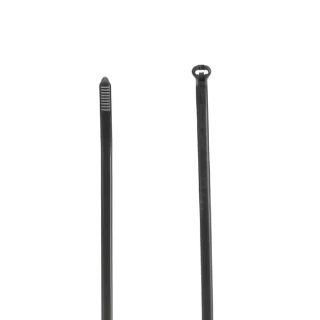

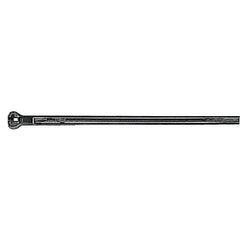

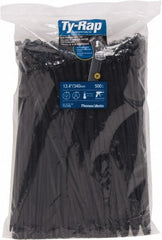
Thomas Betts TY27MX Standard Cable Tie 120 Lb 500 Pack
Availability:
In Stock

Ships same day if ordered by 12 pm
- $610.70
- $610.70
- Unit price
- / per
✓
Better Price in Cart
Manufacturer pricing rules prevent us from advertising our discount — no account or email required to see it.

-
Secure Payments
-
Easy Returns
-
Expert Advice
-
Fast Shipping
Product Description
The THOMAS BETTS TY27MX is a standard nylon cable tie rated for 120 pounds of tensile strength, designed for bundling and securing wire and cable in electrical, HVAC, and general mechanical installations. At 13.4 inches in length with a maximum bundle diameter of 3.5 inches, it handles a wide range of bundle sizes encountered in residential and commercial work. The black nylon construction provides UV resistance and weather resistance, making it suitable for both indoor and outdoor applications. Electricians, HVAC technicians, and panel builders commonly stock this tie for routing conductors, securing hose bundles, and organizing control wiring. Each package contains 500 ties.
This cable tie is suited for use in electrical panel wiring, conduit runs, control panel fabrication, HVAC equipment wiring harnesses, and general mechanical assembly where a durable, weather-resistant fastener is required. The UV-resistant formulation makes it appropriate for rooftop equipment, exterior conduit installations, and other exposed environments where standard ties would degrade prematurely. The 13.4-inch length accommodates larger bundle diameters up to 3.5 inches, covering most multi-conductor wire bundles found in commercial and light industrial settings.
Key Features
- 120 lb tensile strength for secure, reliable bundling under load
- 13.4-inch overall length with up to 3.5-inch maximum bundle diameter
- UV-resistant and weather-resistant black nylon construction for indoor and outdoor use
- Rated for operating temperatures from -40 degrees F to 185 degrees F
- CSA Certified, UL Listed (File E49405), RoHS Compliant, and MS3367-3 conforming
- 500 ties per package for high-volume installation work
Compatibility
Designed as a standard one-piece self-locking cable tie for use in general electrical, HVAC, and mechanical bundling applications where a 13.4-inch, 120 lb-rated nylon tie is specified.
Installation Notes
Installation requires no tools beyond a standard cable tie tensioning gun for consistent pull force and flush cut. Always inspect the tie after seating to confirm the pawl is fully engaged before trimming the tail. When used in outdoor or rooftop applications, position the locking head away from standing water where possible. Refer to applicable NEC sections for proper cable bundling and support spacing requirements in electrical installations.
Technical Specifications

Complete your install
We pulled together the parts most installs need for this unit, plus a few add-ons worth a look. Check what you need — nothing here blocks checkout.
Loading install accessories...
Add install kit to cart
—
Related Products
- Choosing a selection results in a full page refresh.