


Search
-
HVAC Equipment
-
Ductless Mini Splits
- Ductless Mini Splits
- Shop By Zone
- Shop by BTU
- Shop By Brand
- Components
- Accessories
-
HVAC Parts & Supplies
- HVAC Parts & Supplies
- HVAC Supplies
- HVAC Tools
-
HVAC Replacement Parts
- Blower Housing & Assemblies
- Blower Wheels
- Breakers, Contactors & Disconnects
- Capacitors & Transformers
- Control & Circuit Boards
- Filter Driers & Accumulators
- Gas Valves & Conversion Kits
- Heat Exchangers
- Thermal Expansion Valves (TXV)
- Temperature Controls
- Wall Brackets & Parts
- Miscellaneous Parts
- O-Rings & Gaskets
- Hydronics
- Motors
- Thermostats & Zoning
-
Plumbing
-
Pool
-
Electrical
-
Air Quality
-
Tools & Supplies
-
Door Security & Hardware


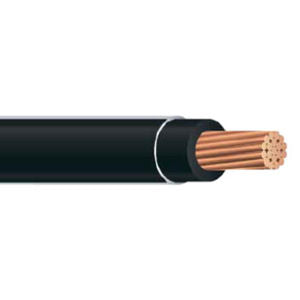

Thhn 14 Awg Stranded Copper Wire Black 500 Ft Spool 600V
Availability:
In Stock

Ships same day if ordered by 12 pm
- $254.25
- $254.25
- Unit price
- / per
✓
Better Price in Cart
Manufacturer pricing rules prevent us from advertising our discount — no account or email required to see it.
-
Secure Payments
-
Easy Returns
-
Expert Advice
-
Fast Shipping
Product Description
The THHNCU-GENERIC thhn14strblk500r is a 14 AWG stranded copper conductor wire rated for 600 volts and 90 degrees C in dry applications. Insulated with PVC and jacketed in nylon, this wire meets the THHN designation used in conduit runs across residential and light commercial electrical installations. The 19-strand configuration provides flexibility compared to solid conductor wire, making it easier to pull through conduit and route through tight spaces. Rated at 15 amps, this gauge is standard for branch circuits. The spool contains 500 feet of black-insulated wire, which is the common color-code choice for ungrounded hot conductors in single- and three-phase systems.
This wire is installed by licensed electricians in conduit systems where THHN-rated conductors are required by the NEC. Typical applications include branch circuit wiring in residential panels, light commercial builds, motor control wiring, and feeder runs inside EMT, rigid metal, or PVC conduit. The black insulation color is standard for line-side hot conductors. The 500-foot spool length suits medium-scale jobs and reduces waste on full-building rough-in work.
Key Features
- 14 AWG stranded copper conductor with 19-strand construction for flexible routing through conduit
- 600-volt rating suitable for standard branch circuit and feeder applications
- 90 degrees C dry temperature rating meets NEC requirements for most residential and commercial conduit installations
- PVC insulation with nylon outer jacket for resistance to abrasion, oils, and moisture during pull-through
- Black insulation color identifies ungrounded hot conductors per standard color-coding practice
- 500-foot spool provides enough length for full rough-in runs without mid-job splicing
Compatibility
Designed for use in conduit systems requiring THHN-rated 14 AWG conductors, including EMT, rigid metal conduit, and Schedule 40 or Schedule 80 PVC conduit, as recognized under NEC Article 310 and applicable local electrical codes.
Installation Notes
Installation must be performed by a licensed electrician in accordance with the National Electrical Code (NEC) and all applicable local codes. De-energize and lock out the circuit at the panel before making any terminations. THHN wire in this gauge is rated for conduit installation only and should not be used as open wiring or in wet locations without a wet-rated jacket. Use appropriate pulling lubricant to reduce friction during long conduit pulls and avoid exceeding the wire's minimum bend radius.
Technical Specifications

Complete your install
We pulled together the parts most installs need for this unit, plus a few add-ons worth a look. Check what you need — nothing here blocks checkout.
Loading install accessories...
Add install kit to cart
—
Related Products
- Choosing a selection results in a full page refresh.