


Search
-
HVAC Equipment
-
Ductless Mini Splits
- Ductless Mini Splits
- Shop By Zone
- Shop by BTU
- Shop By Brand
- Components
- Accessories
-
HVAC Parts & Supplies
- HVAC Parts & Supplies
- HVAC Supplies
- HVAC Tools
-
HVAC Replacement Parts
- Blower Housing & Assemblies
- Blower Wheels
- Breakers, Contactors & Disconnects
- Capacitors & Transformers
- Control & Circuit Boards
- Filter Driers & Accumulators
- Gas Valves & Conversion Kits
- Heat Exchangers
- Thermal Expansion Valves (TXV)
- Temperature Controls
- Wall Brackets & Parts
- Miscellaneous Parts
- O-Rings & Gaskets
- Hydronics
- Motors
- Thermostats & Zoning
-
Plumbing
-
Pool
-
Electrical
-
Air Quality
-
Tools & Supplies
-
Door Security & Hardware


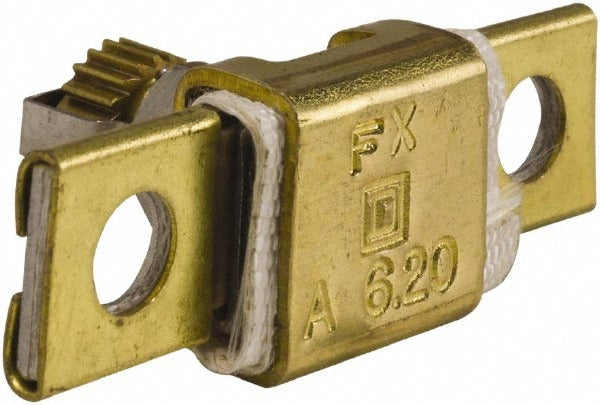
Square D A.95 Contactor Thermal Unit

Availability:
Out Of Stock
- $47.20
- $47.20
- Unit price
- / per
✓
Better Price in Cart
Manufacturer pricing rules prevent us from advertising our discount — no account or email required to see it.
-
Secure Payments
-
Easy Returns
-
Expert Advice
-
Fast Shipping
Product Description
The SQUARE D A.95 is a contactor thermal unit designed as an overload relay accessory for use in motor control and protection applications. Thermal units, sometimes called heater elements, are installed inside overload relay assemblies to provide current-sensing protection calibrated to specific motor full-load amperage ratings. This unit is a direct-fit accessory component intended for licensed electricians and industrial controls technicians performing motor starter maintenance or replacement work. At 0.03 pounds, this is a compact, lightweight component sized at 2.5 inches in length, 1.2 inches in width, and 0.8 inches in height.
Thermal units are commonly used in commercial and industrial electrical systems where motor starters and contactor assemblies require properly rated overload protection. They are typically installed in magnetic motor starters within panel boards, motor control centers, or disconnect enclosures. Selecting the correct thermal unit rating is critical to ensuring the overload relay trips within the proper current range for the connected motor. This unit is intended for use in SQUARE D overload relay assemblies that accept the A.95 thermal unit designation.
Key Features
- Direct-fit thermal unit designed for SQUARE D overload relay assemblies
- Compact form factor: 2.5 inches long, 1.2 inches wide, 0.8 inches tall
- Lightweight construction at 0.03 pounds
- Single-piece package quantity for precise replacement ordering
- Functions as a current-sensing heater element within the overload relay
Compatibility
Designed as an OEM-style replacement thermal unit for SQUARE D overload relay assemblies that accept the A.95 thermal unit designator. Consult the overload relay nameplate and SQUARE D selection tables to confirm the A.95 rating is appropriate for the motor full-load amperage before installation.
Installation Notes
Thermal unit replacement should be performed by a licensed electrician in accordance with NEC requirements. Disconnect and lock out all power to the motor starter assembly before removing or installing any thermal unit. Verify the thermal unit rating against the motor nameplate full-load amps and the overload relay manufacturer selection chart before inserting the new element. Do not energize the starter until the overload relay cover or access panel is fully secured.
Technical Specifications

Complete your install
We pulled together the parts most installs need for this unit, plus a few add-ons worth a look. Check what you need — nothing here blocks checkout.
Loading install accessories...
Add install kit to cart
—
Related Products
- Choosing a selection results in a full page refresh.