


Search
-
HVAC Equipment
-
Ductless Mini Splits
- Ductless Mini Splits
- Shop By Zone
- Shop by BTU
- Shop By Brand
- Components
- Accessories
-
HVAC Parts & Supplies
- HVAC Parts & Supplies
- HVAC Supplies
- HVAC Tools
-
HVAC Replacement Parts
- Blower Housing & Assemblies
- Blower Wheels
- Breakers, Contactors & Disconnects
- Capacitors & Transformers
- Control & Circuit Boards
- Filter Driers & Accumulators
- Gas Valves & Conversion Kits
- Heat Exchangers
- Thermal Expansion Valves (TXV)
- Temperature Controls
- Wall Brackets & Parts
- Miscellaneous Parts
- O-Rings & Gaskets
- Hydronics
- Motors
- Thermostats & Zoning
-
Plumbing
-
Pool
-
Electrical
-
Air Quality
-
Tools & Supplies
-
Door Security & Hardware


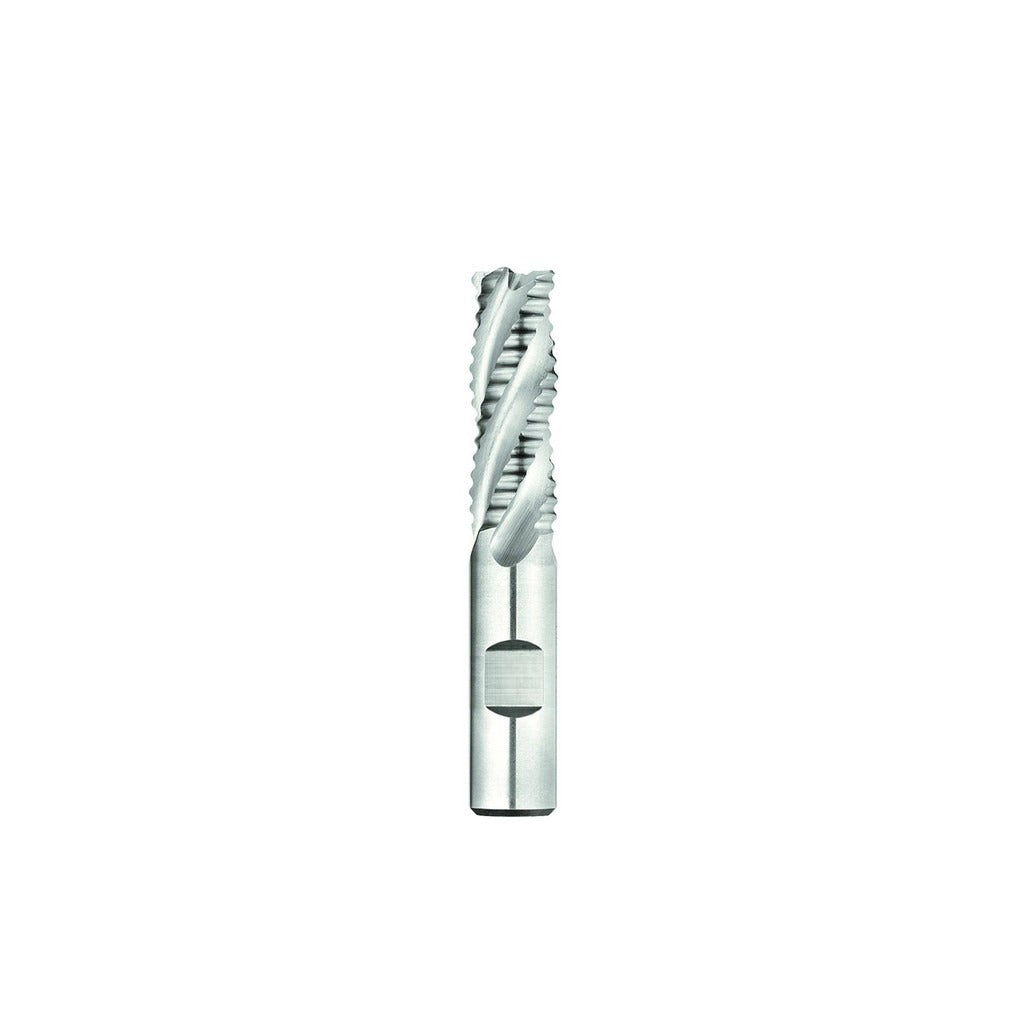
Seco 17016578 Roughing End Mill 0.25in 4 Flute Ticn Cobalt
Availability:
In Stock

Ships same day if ordered by 12 pm
- $102.44
- $102.44
- Unit price
- / per
✓
Better Price in Cart
Manufacturer pricing rules prevent us from advertising our discount — no account or email required to see it.
-
Secure Payments
-
Easy Returns
-
Expert Advice
-
Fast Shipping
Product Description
The SECO 17016578 is a single-end roughing end mill machined from M42 cobalt high-speed steel and coated with titanium carbonitride (TiCN). Designed for aggressive material removal, the four-flute spiral geometry with a 30-degree maximum helix angle drives chips clear of the cut while maintaining edge stability under heavy load. The 0.25-inch cutting diameter pairs with a 0.375-inch shank, giving it rigidity in standard end mill holders. This tool is center-cutting, so it can plunge directly into workpiece material without a pre-drilled pilot hole. Machinists and tool-and-die technicians are the primary users in job shop, production, and maintenance environments.
This end mill is suited for roughing passes in ferrous and non-ferrous metals where high material removal rate and heat resistance are priorities. The TiCN coating adds surface hardness and reduces friction at the cutting edge, extending tool life in interrupted cuts and harder alloys. The regular-length configuration with a 1.25-inch length of cut and 3.0625-inch overall length fits standard CNC machining centers and manual knee mills without requiring extended-reach toolholders. Coolant-through capability is not included, so flood or mist coolant applied externally is the recommended approach for heat management.
Key Features
- M42 cobalt high-speed steel substrate for elevated heat and wear resistance over standard M2 HSS
- TiCN coating increases surface hardness and reduces built-up edge formation
- Four right-hand spiral flutes with 30-degree maximum helix angle for efficient chip evacuation
- Center-cutting design allows direct plunge entry into workpiece material
- 0.375-inch shank diameter provides rigidity in collet chucks and end mill holders
- Single-end, regular-length configuration for general-purpose roughing applications
Compatibility
Designed as a general-purpose roughing end mill compatible with standard 0.375-inch end mill holders, collet chucks, and milling machine spindles on CNC machining centers and manual knee mills.
Installation Notes
Installation is performed by qualified machinists or toolroom personnel. Ensure the machine spindle is fully powered down and locked out before changing tooling. Seat the 0.375-inch shank fully into the holder and torque the retention hardware per the toolholder manufacturer specifications. Verify runout with a dial indicator before initiating a cut, as excessive runout accelerates edge wear on roughing geometries.
Technical Specifications

Complete your install
We pulled together the parts most installs need for this unit, plus a few add-ons worth a look. Check what you need — nothing here blocks checkout.
Loading install accessories...
Add install kit to cart
—
Related Products
- Choosing a selection results in a full page refresh.