


Search
-
HVAC Equipment
-
Ductless Mini Splits
- Ductless Mini Splits
- Shop By Zone
- Shop by BTU
- Shop By Brand
- Components
- Accessories
-
HVAC Parts & Supplies
- HVAC Parts & Supplies
- HVAC Supplies
- HVAC Tools
-
HVAC Replacement Parts
- Blower Housing & Assemblies
- Blower Wheels
- Breakers, Contactors & Disconnects
- Capacitors & Transformers
- Control & Circuit Boards
- Filter Driers & Accumulators
- Gas Valves & Conversion Kits
- Heat Exchangers
- Thermal Expansion Valves (TXV)
- Temperature Controls
- Wall Brackets & Parts
- Miscellaneous Parts
- O-Rings & Gaskets
- Hydronics
- Motors
- Thermostats & Zoning
-
Plumbing
-
Pool
-
Electrical
-
Air Quality
-
Tools & Supplies
-
Door Security & Hardware


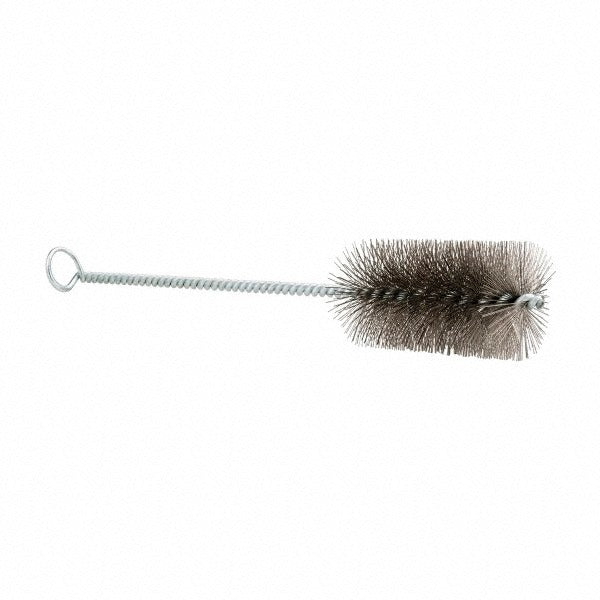

Schaefer Brush 14458 Wire Tube Brush 1.5 in Stainless Steel

Availability:
In Stock
Ships same day if ordered by 12 pm
- $14.99
- $14.99
- Unit price
- / per
✓
Better Price in Cart
Manufacturer pricing rules prevent us from advertising our discount — no account or email required to see it.
-
Secure Payments
-
Easy Returns
-
Expert Advice
-
Fast Shipping
Product Description
The SCHAEFER BRUSH 14458 is a long-handle wire tube brush designed for cleaning the interior of tubes, pipes, and narrow cylindrical passages. The brush head measures 1.5 inches in diameter and 3 inches in length, mounted on a flexible single-stem wire shaft that extends to an overall length of 27 inches. The fill wire is 0.007 inches in diameter, and the entire assembly — including the 0.188-inch diameter shank — is constructed from stainless steel. This configuration suits applications where corrosion resistance and reach are both required. HVAC technicians, plumbers, and industrial maintenance professionals use this tool for tube cleaning in heat exchangers, condensate lines, and similar confined passages.
This brush is suited for residential and light commercial service work involving tube and pipe interior cleaning. Typical applications include heat exchanger tube maintenance, boiler tube cleaning, condensate drain line clearing, and general bore cleaning in metallic pipe sections. The 27-inch overall length provides reach into assemblies that standard short-handle brushes cannot access. The single-spiral fill pattern delivers consistent contact around the bore wall during insertion and withdrawal.
Key Features
- Stainless steel construction throughout — brush fill, stem wires, and shank resist corrosion in wet or chemical environments
- 27-inch overall length provides extended reach into heat exchangers, boiler tubes, and deep pipe runs
- 1.5-inch brush diameter with 3-inch brush length covers standard tube bore sizes
- Single-spiral fill pattern ensures even bore contact during cleaning strokes
- 0.007-inch wire diameter delivers firm but controlled scrubbing action without damaging tube walls
- 0.188-inch shank diameter is compatible with standard drill chucks for power-assisted use
Compatibility
Designed as a general-purpose tube and pipe bore cleaning brush for use in HVAC, plumbing, and industrial maintenance applications requiring a 1.5-inch diameter brush with extended handle reach.
Installation Notes
Shut off and de-energize the system — including electrical, gas, or water supply — before accessing any tube, heat exchanger, or pipe section for cleaning. This brush can be used by hand or chucked into a low-speed drill; keep rotational speed controlled to avoid kinking the flexible stem. Wear appropriate eye protection when working inside tube bundles or confined assemblies. Follow applicable codes and equipment manufacturer procedures when servicing heat exchangers or pressure-bearing pipe sections.
Technical Specifications

Complete your install
We pulled together the parts most installs need for this unit, plus a few add-ons worth a look. Check what you need — nothing here blocks checkout.
Loading install accessories...
Add install kit to cart
—
Related Products
- Choosing a selection results in a full page refresh.