


Search
-
HVAC Equipment
-
Ductless Mini Splits
- Ductless Mini Splits
- Shop By Zone
- Shop by BTU
- Shop By Brand
- Components
- Accessories
-
HVAC Parts & Supplies
- HVAC Parts & Supplies
- HVAC Supplies
- HVAC Tools
-
HVAC Replacement Parts
- Blower Housing & Assemblies
- Blower Wheels
- Breakers, Contactors & Disconnects
- Capacitors & Transformers
- Control & Circuit Boards
- Filter Driers & Accumulators
- Gas Valves & Conversion Kits
- Heat Exchangers
- Thermal Expansion Valves (TXV)
- Temperature Controls
- Wall Brackets & Parts
- Miscellaneous Parts
- O-Rings & Gaskets
- Hydronics
- Motors
- Thermostats & Zoning
-
Plumbing
-
Pool
-
Electrical
-
Air Quality
-
Tools & Supplies
-
Door Security & Hardware


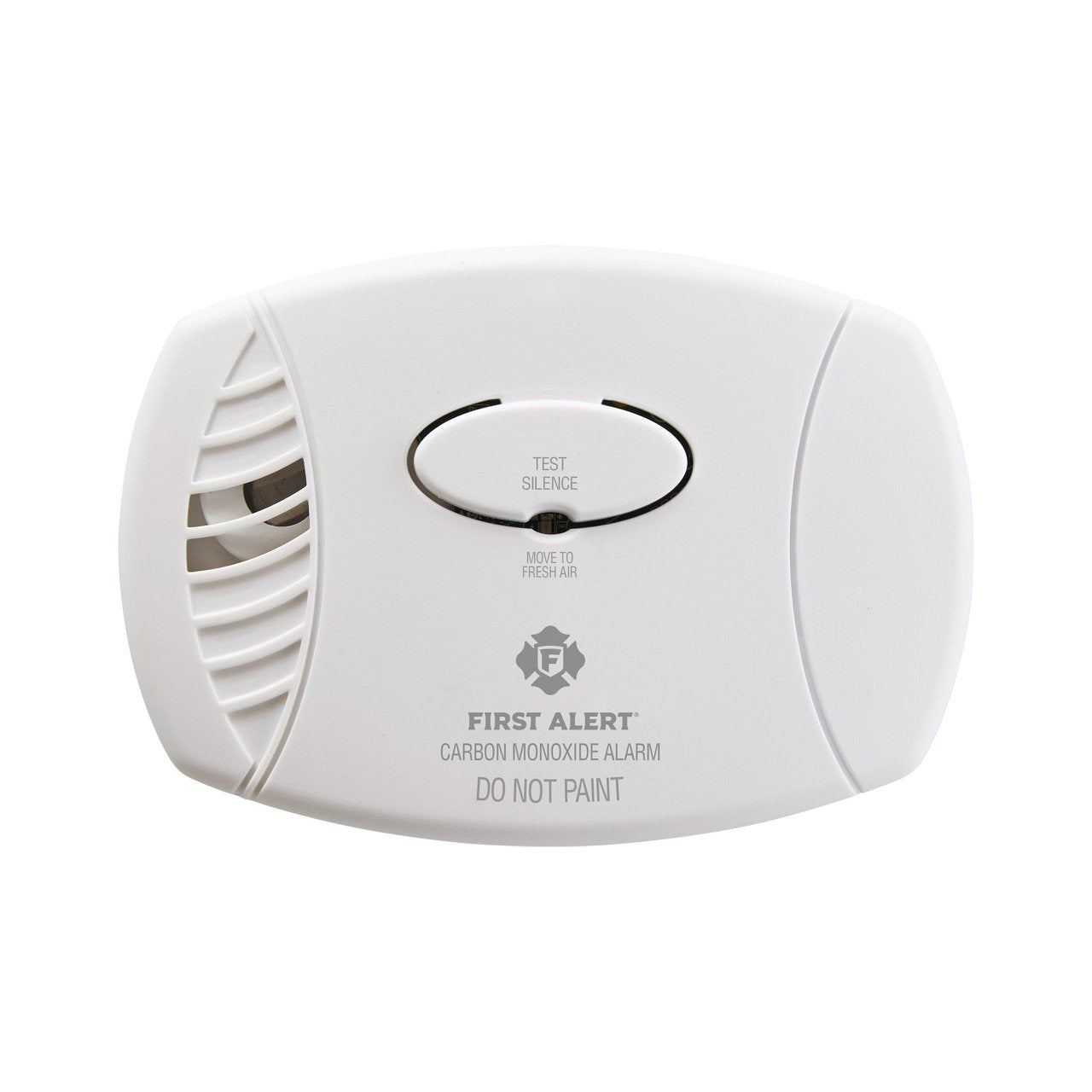
Resideo co400b Carbon Monoxide Alarm Battery Operated
Availability:
In Stock

Ships same day if ordered by 12 pm
- $29.98
- $29.98
- Unit price
- / per
✓
Better Price in Cart
Manufacturer pricing rules prevent us from advertising our discount — no account or email required to see it.
-
Secure Payments
-
Easy Returns
-
Expert Advice
-
Fast Shipping
Product Description
The RESIDEO co400b is a battery-operated carbon monoxide alarm designed for residential installation by licensed electricians, HVAC technicians, or qualified contractors. It uses an electrochemical CO sensor, which delivers greater accuracy than semiconductor or biomimetic sensing technologies. The unit runs on a single 9V alkaline battery included in the package and features a one-button test and silence function. Two distinct silence modes allow the installer or occupant to suppress a low-battery chirp for up to eight hours or temporarily clear a nuisance alarm without disabling the sensor. An end-of-life signal provides audible notification when the unit requires replacement.
The co400b is suited for residential settings including single-family homes, apartments, and light commercial occupancies where local or state codes mandate carbon monoxide detection. It mounts to a wall or ceiling surface and is intended for areas near sleeping quarters, mechanical rooms, or attached garages per typical code guidance. The unit meets requirements for jurisdictions adopting carbon monoxide alarm mandates under state and local codes and is listed to the UL 2034 standard.
Key Features
- Electrochemical CO sensor for accurate detection compared to other sensing technologies
- Single-button test and silence operation
- Low-battery chirp silence for up to eight hours
- Temporary nuisance alarm silence without disabling detection
- End-of-life audible warning signals when unit needs replacement
- Easy-access battery compartment with replaceable 9V alkaline battery
Compatibility
Designed as a standalone battery-operated carbon monoxide alarm suitable for residential and light commercial installations requiring compliance with UL 2034 and applicable state or local CO alarm codes.
Installation Notes
Installation should be performed in accordance with the manufacturer instructions and applicable local codes, including NFPA 720 guidelines for CO alarm placement. Power down is not required for this battery-operated unit, but verify the 9V battery is fully seated before mounting. Mount the alarm to a wall or ceiling in the location specified by local code, typically near sleeping areas or fuel-burning appliances. Do not install in areas subject to extreme temperatures, high humidity, or direct airflow from vents, which can affect sensor accuracy.
Technical Specifications

Complete your install
We pulled together the parts most installs need for this unit, plus a few add-ons worth a look. Check what you need — nothing here blocks checkout.
Loading install accessories...
Add install kit to cart
—
Related Products
- Choosing a selection results in a full page refresh.