


Search
-
HVAC Equipment
-
Ductless Mini Splits
- Ductless Mini Splits
- Shop By Zone
- Shop by BTU
- Shop By Brand
- Components
- Accessories
-
HVAC Parts & Supplies
- HVAC Parts & Supplies
- HVAC Supplies
- HVAC Tools
-
HVAC Replacement Parts
- Blower Housing & Assemblies
- Blower Wheels
- Breakers, Contactors & Disconnects
- Capacitors & Transformers
- Control & Circuit Boards
- Filter Driers & Accumulators
- Gas Valves & Conversion Kits
- Heat Exchangers
- Thermal Expansion Valves (TXV)
- Temperature Controls
- Wall Brackets & Parts
- Miscellaneous Parts
- O-Rings & Gaskets
- Hydronics
- Motors
- Thermostats & Zoning
-
Plumbing
-
Pool
-
Electrical
-
Air Quality
-
Tools & Supplies
-
Door Security & Hardware


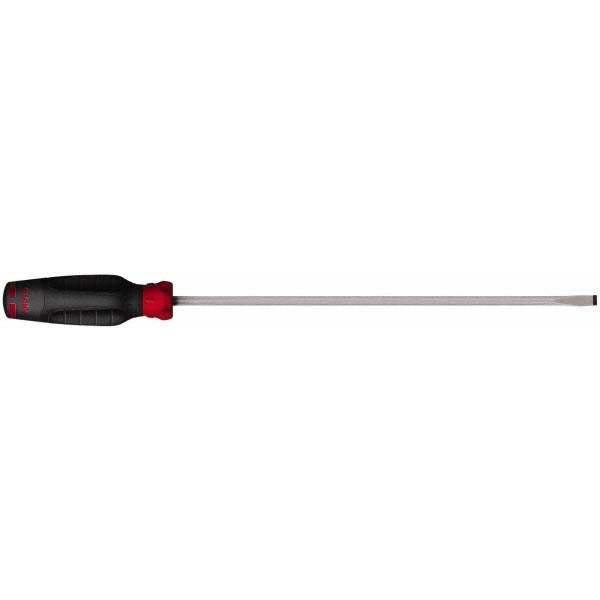
Proto JC31606RF Slotted Screwdriver 3/16 in Cabinet Tip
Availability:
In Stock

Ships same day if ordered by 12 pm
- $22.89
- $22.89
- Unit price
- / per
✓
Better Price in Cart
Manufacturer pricing rules prevent us from advertising our discount — no account or email required to see it.
-
Secure Payments
-
Easy Returns
-
Expert Advice
-
Fast Shipping
Product Description
The PROTO JC31606RF is a slotted cabinet-tip screwdriver built for trade and industrial use. It features a 3/16 inch blade width and a 6 inch blade length, bringing the overall length to 10 inches. The round shank construction provides consistent torque transfer, and the ergonomic handle is designed for extended use without fatigue. At 0.15 pounds, this is a lightweight tool well suited for precision fastening tasks in tight panel enclosures, electrical cabinets, and mechanical assemblies. Licensed electricians, HVAC technicians, and maintenance professionals regularly reach for a cabinet-tip screwdriver when working with slotted screw heads recessed in narrow channels or terminal strips.
This screwdriver is appropriate for residential and commercial service work where a narrow cabinet-tip profile is required to seat cleanly in slotted fasteners without marring adjacent surfaces. The 4 inch ergonomic handle provides grip control during both driving and extraction. It is a common hand tool carried by electricians working inside load centers and control panels, HVAC technicians servicing equipment cabinets, and plumbers tightening slotted access covers or valve packing nuts.
Key Features
- Cabinet tip profile with 3/16 inch blade width for narrow slotted fasteners
- 6 inch blade length for reaching recessed screws in deep enclosures
- Round shank allows use of a wrench for additional torque when needed
- Ergonomic handle designed to reduce hand fatigue during extended fastening tasks
- Compact 0.15 pound weight keeps tool bags and pouches light on the job
- 0.030 inch blade thickness suits fine-pitch slotted screw heads common in electrical and HVAC panels
Compatibility
Designed as a general-purpose cabinet-tip slotted screwdriver for use with standard slotted fasteners encountered in electrical, HVAC, plumbing, and mechanical service applications.
Installation Notes
A licensed electrician or qualified technician should de-energize and lock out electrical panels before using any screwdriver inside live enclosures, in accordance with NFPA 70E and applicable NEC guidelines. Select the correct tip width to fill the screw slot fully — an undersized tip can cam out and damage the fastener head. The round shank on this screwdriver allows an adjustable wrench to be applied for extra leverage on stubborn fasteners; use this technique with care to avoid over-torquing or stripping. Inspect the blade tip for wear or rolling before each use and replace the tool if the tip profile is compromised.
Technical Specifications

Complete your install
We pulled together the parts most installs need for this unit, plus a few add-ons worth a look. Check what you need — nothing here blocks checkout.
Loading install accessories...
Add install kit to cart
—
Related Products
- Choosing a selection results in a full page refresh.