


Search
-
HVAC Equipment
-
Ductless Mini Splits
- Ductless Mini Splits
- Shop By Zone
- Shop by BTU
- Shop By Brand
- Components
- Accessories
-
HVAC Parts & Supplies
- HVAC Parts & Supplies
- HVAC Supplies
- HVAC Tools
-
HVAC Replacement Parts
- Blower Housing & Assemblies
- Blower Wheels
- Breakers, Contactors & Disconnects
- Capacitors & Transformers
- Control & Circuit Boards
- Filter Driers & Accumulators
- Gas Valves & Conversion Kits
- Heat Exchangers
- Thermal Expansion Valves (TXV)
- Temperature Controls
- Wall Brackets & Parts
- Miscellaneous Parts
- O-Rings & Gaskets
- Hydronics
- Motors
- Thermostats & Zoning
-
Plumbing
-
Pool
-
Electrical
-
Air Quality
-
Tools & Supplies
-
Door Security & Hardware


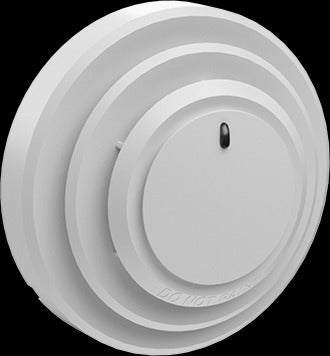

Potter Electric Signal pad300-pd Photoelectric Smoke Detector
Availability:
In Stock

Ships same day if ordered by 12 pm
- $91.01
- $91.01
- Unit price
- / per
✓
Better Price in Cart
Manufacturer pricing rules prevent us from advertising our discount — no account or email required to see it.
-
Secure Payments
-
Easy Returns
-
Expert Advice
-
Fast Shipping
Product Description
The POTTER ELECTRIC SIGNAL pad300-pd is an analog addressable photoelectric smoke detector designed for use with fire alarm control panels that support the Potter Addressable Device (PAD) protocol. The detector operates across a wide sensitivity range of 1.1 to 3.5 percent per foot and carries UL listing. Built-in drift compensation and a dirty detector warning circuit help maintain accurate detection performance over time. The low-profile housing is constructed from durable plastic in an off-white finish, allowing it to blend with standard ceiling surfaces. A licensed fire alarm technician or electrical contractor performs installation.
The pad300-pd is intended for analog addressable fire alarm systems that use the PAD protocol. It is suited for commercial and residential applications where addressable detection is required. The detector communicates with the control panel over a digital communication path, and the system analyzes data at the device level. Total polling speed is less than five seconds, meeting UL requirements. The detector mounts to any PAD300 series base, which is sold separately, via a simple twist-on connection. Field addressing is accomplished through DIP switches located on the rear of the unit, requiring no special programming tools.
Key Features
- Analog addressable photoelectric detection compatible with PAD protocol fire alarm control panels
- Sensitivity range of 1.1 to 3.5 percent per foot with UL listing
- Built-in drift compensation maintains detection accuracy as the sensor ages
- Dirty detector warning provides early notification of maintenance needs
- DIP switch addressing allows field programming without special tools
- Twist-on mounting compatible with any PAD300 series detector base (base not included)
- Low-profile off-white plastic housing designed to blend with ceiling finishes
Compatibility
Compatible with fire alarm control panels that utilize the Potter Addressable Device (PAD) protocol. Mounts to any PAD300 series detector base; base is not included and must be ordered separately.
Installation Notes
Installation should be performed by a licensed fire alarm technician or electrical contractor in accordance with NFPA 72 and all applicable local codes. Disconnect power from the fire alarm control panel before handling addressable devices or wiring the base. Set the DIP switch address before mounting the detector to the base to avoid re-removal. Do not paint or apply any coating to the detector, as this can impair smoke entry and trigger false alarms.
Technical Specifications

Complete your install
We pulled together the parts most installs need for this unit, plus a few add-ons worth a look. Check what you need — nothing here blocks checkout.
Loading install accessories...
Add install kit to cart
—
Related Products
- Choosing a selection results in a full page refresh.