


Search
-
HVAC Equipment
-
Ductless Mini Splits
- Ductless Mini Splits
- Shop By Zone
- Shop by BTU
- Shop By Brand
- Components
- Accessories
-
HVAC Parts & Supplies
- HVAC Parts & Supplies
- HVAC Supplies
- HVAC Tools
-
HVAC Replacement Parts
- Blower Housing & Assemblies
- Blower Wheels
- Breakers, Contactors & Disconnects
- Capacitors & Transformers
- Control & Circuit Boards
- Filter Driers & Accumulators
- Gas Valves & Conversion Kits
- Heat Exchangers
- Thermal Expansion Valves (TXV)
- Temperature Controls
- Wall Brackets & Parts
- Miscellaneous Parts
- O-Rings & Gaskets
- Hydronics
- Motors
- Thermostats & Zoning
-
Plumbing
-
Pool
-
Electrical
-
Air Quality
-
Tools & Supplies
-
Door Security & Hardware


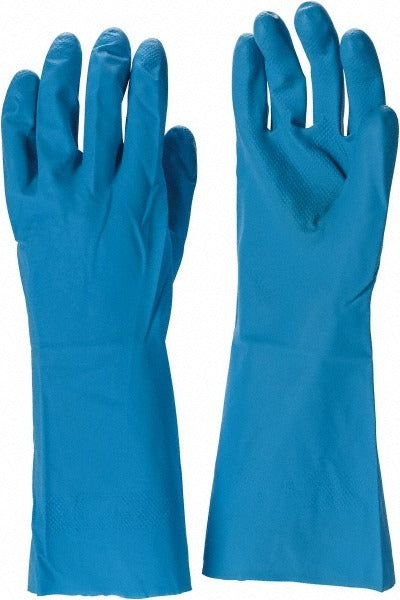
Pip 50-N092B/M Chemical Resistant Gloves Medium 9 Mil
Availability:
In Stock

Ships same day if ordered by 12 pm
- $14.99
- $14.99
- Unit price
- / per
✓
Better Price in Cart
Manufacturer pricing rules prevent us from advertising our discount — no account or email required to see it.
-
Secure Payments
-
Easy Returns
-
Expert Advice
-
Fast Shipping
Product Description
The PIP 50-N092B/M is a chemical resistant nitrile glove designed for trade and industrial professionals who work with hazardous liquids, solvents, and chemicals. At 9 mil thick and constructed from unsupported nitrile, this glove delivers a balance of tactile sensitivity and protective barrier performance. The raised diamond texture on the grip surface improves handling of wet or slippery components. At 13 inches in overall length, the extended cuff provides added forearm coverage during immersion or splash-risk tasks. FDA approved for incidental food contact applications. Rated ANSI/ISEA Abrasion Level 2 and Puncture Level 3, making it a dependable choice for light-to-moderate mechanical exposure alongside chemical protection.
The 50-N092B/M is suited for use in plumbing, HVAC maintenance, electrical, pool and water treatment service, janitorial, food processing, and general industrial environments where hand protection against chemical splash is required. The unlined interior and straight cuff allow for easy donning and removal. The glove is sized Medium, with a numeric size of 8, fitting both men's and women's medium hand sizes. This single-pair package is appropriate for professionals sourcing individual gloves for specific job applications or kit stocking.
Key Features
- 9 mil nitrile construction provides chemical barrier protection for hazardous liquid handling
- Raised diamond grip surface improves control on wet or oily surfaces
- 13-inch overall length extends coverage to the forearm for splash protection
- FDA approved for incidental food contact applications
- ANSI/ISEA Puncture Resistance Level 3 and Abrasion Resistance Level 2 rated
- Unlined and unsupported design maintains tactile sensitivity during detailed work
Compatibility
Designed as a general-purpose chemical resistant glove for trade professionals requiring nitrile hand protection in chemical handling, maintenance, and service applications. Compliant with EN 374 AJKL and EN 388 2001 standards.
Installation Notes
Inspect gloves for pinholes or tears before each use by inflating or visual inspection. For chemical handling tasks, verify compatibility of nitrile with the specific chemicals present on the job site before use. Dispose of contaminated gloves per applicable local or site-specific hazardous waste procedures. Do not reuse gloves that have been exposed to concentrated acids, solvents, or other highly aggressive chemicals.
Technical Specifications

Complete your install
We pulled together the parts most installs need for this unit, plus a few add-ons worth a look. Check what you need — nothing here blocks checkout.
Loading install accessories...
Add install kit to cart
—
Related Products
- Choosing a selection results in a full page refresh.