


Search
-
HVAC Equipment
-
Ductless Mini Splits
- Ductless Mini Splits
- Shop By Zone
- Shop by BTU
- Shop By Brand
- Components
- Accessories
-
HVAC Parts & Supplies
- HVAC Parts & Supplies
- HVAC Supplies
- HVAC Tools
-
HVAC Replacement Parts
- Blower Housing & Assemblies
- Blower Wheels
- Breakers, Contactors & Disconnects
- Capacitors & Transformers
- Control & Circuit Boards
- Filter Driers & Accumulators
- Gas Valves & Conversion Kits
- Heat Exchangers
- Thermal Expansion Valves (TXV)
- Temperature Controls
- Wall Brackets & Parts
- Miscellaneous Parts
- O-Rings & Gaskets
- Hydronics
- Motors
- Thermostats & Zoning
-
Plumbing
-
Pool
-
Electrical
-
Air Quality
-
Tools & Supplies
-
Door Security & Hardware


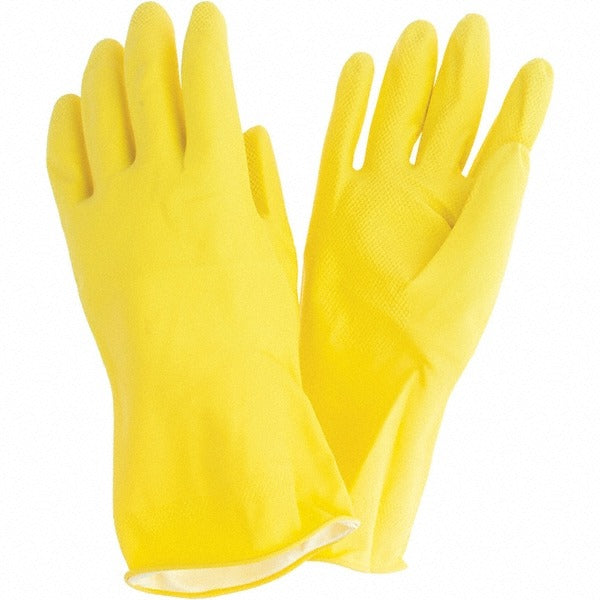
Pip 48-L212Y/L Chemical Resistant Gloves Large
Availability:
In Stock

Ships same day if ordered by 12 pm
- $14.99
- $14.99
- Unit price
- / per
✓
Better Price in Cart
Manufacturer pricing rules prevent us from advertising our discount — no account or email required to see it.
-
Secure Payments
-
Easy Returns
-
Expert Advice
-
Fast Shipping
Product Description
The PIP 48-L212Y/L is an unsupported chemical resistant glove built for trade and industrial environments where hand protection against a broad range of hazardous substances is required. At 21 mil thick, the glove provides a meaningful barrier while still allowing reasonable dexterity during handling tasks. The yellow cotton-lined construction features a flocked lining for comfort during extended wear and a rolled cuff for a secure fit at the wrist. At 11.8 inches overall length, coverage extends well past the wrist. These gloves are part of the PIP Assurance series and carry FDA 21 CFR Parts 170-199 approval, making them suitable for food-adjacent applications as well as general chemical handling.
The 48-L212Y/L is sized Large and is intended for applications involving acids, alcohols, alkalis, animal fats, chlorinated solvents, ketones, and salts. The raised diamond grip surface aids control when handling wet or slippery containers and equipment. Typical use cases include chemical mixing, cleaning operations, food processing facilities, and maintenance tasks where incidental chemical contact is a routine hazard. These gloves are commonly used by plumbers, maintenance technicians, pool service professionals, and facility workers who handle chemicals as part of their daily workflow.
Key Features
- 21 mil unsupported construction provides chemical barrier without excessive bulk
- Flocked cotton lining improves comfort and moisture management during extended use
- Raised diamond grip surface enhances control on wet or chemically coated surfaces
- Rolled cuff style helps prevent liquid intrusion at the wrist
- FDA 21 CFR Parts 170-199 approved for food-contact applications
- CFIA certified for use in Canadian food industry environments
Compatibility
Sized for Large hands. Rated for use with acids, alcohols, alkalis, animal fats, chlorinated solvents, ketones, and salts per manufacturer specifications. FDA 21 CFR Parts 170-199 and CFIA standards compliance makes these gloves appropriate for both food industry and general chemical handling environments.
Installation Notes
Inspect gloves for pinholes, tears, or discoloration before each use. Do not use gloves that show signs of degradation or chemical permeation. Gloves should be donned before contact with any chemical and removed carefully to avoid skin contamination. Disposal and replacement frequency should follow the site safety plan and applicable OSHA personal protective equipment guidelines.
Technical Specifications

Complete your install
We pulled together the parts most installs need for this unit, plus a few add-ons worth a look. Check what you need — nothing here blocks checkout.
Loading install accessories...
Add install kit to cart
—
Related Products
- Choosing a selection results in a full page refresh.