


Search
-
HVAC Equipment
-
Ductless Mini Splits
- Ductless Mini Splits
- Shop By Zone
- Shop by BTU
- Shop By Brand
- Components
- Accessories
-
HVAC Parts & Supplies
- HVAC Parts & Supplies
- HVAC Supplies
- HVAC Tools
-
HVAC Replacement Parts
- Blower Housing & Assemblies
- Blower Wheels
- Breakers, Contactors & Disconnects
- Capacitors & Transformers
- Control & Circuit Boards
- Filter Driers & Accumulators
- Gas Valves & Conversion Kits
- Heat Exchangers
- Thermal Expansion Valves (TXV)
- Temperature Controls
- Wall Brackets & Parts
- Miscellaneous Parts
- O-Rings & Gaskets
- Hydronics
- Motors
- Thermostats & Zoning
-
Plumbing
-
Pool
-
Electrical
-
Air Quality
-
Tools & Supplies
-
Door Security & Hardware


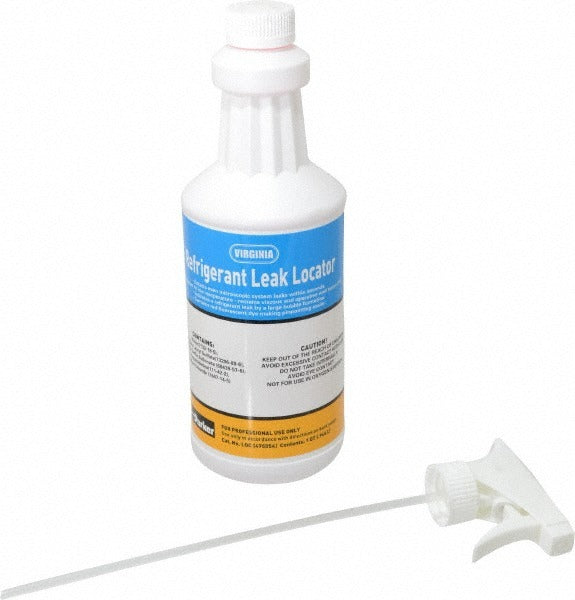
Parker 475054 Locator Leak Detector 32 Oz
Availability:
In Stock

Ships same day if ordered by 12 pm
- $65.77
- $65.77
- Unit price
- / per
✓
Better Price in Cart
Manufacturer pricing rules prevent us from advertising our discount — no account or email required to see it.
-
Secure Payments
-
Easy Returns
-
Expert Advice
-
Fast Shipping
Product Description
The PARKER 475054 is a locator leak detector formulated for identifying refrigerant and gas leaks in HVAC, refrigeration, and plumbing systems. Packaged in a 32 oz spray bottle, the solution is applied directly to suspected leak points, where it produces visible bubbling to pinpoint escaping gas or refrigerant. The spray bottle format allows controlled application in confined or awkward spaces, making it practical for field service work. HVAC technicians, refrigeration mechanics, and plumbers rely on this type of detector when electronic leak finders cannot access tight coil configurations or small fitting connections.
This leak detector is intended for use in hard-to-reach areas such as inside evaporator and condenser coils, brazed or flared fittings, valves, and line set connections. It is well suited for residential and light commercial HVAC service, refrigeration equipment maintenance, and general plumbing pressure tests where a visual bubble indication is preferred. The spray bottle delivery method gives the technician direct control over where the solution is applied, reducing waste and improving detection accuracy in dense component areas.
Key Features
- Visible bubble formation immediately identifies leak location on contact with escaping gas or refrigerant
- Spray bottle format enables precise application in coils, fittings, and other hard-to-reach areas
- 32 oz container provides sufficient volume for extended service calls or multiple system inspections
- Suitable for use on refrigerant lines, gas piping, and pressurized plumbing connections
- Non-electronic detection method works in areas where probe-based detectors cannot reach
Compatibility
Designed for general leak detection use on refrigerant systems, gas lines, and pressurized plumbing connections including coils and fittings in residential and commercial HVAC and refrigeration equipment.
Installation Notes
Apply the solution to pressurized lines and connections only — never apply to an open or unpressurized system, as bubbling will not occur without internal pressure. Shake the bottle before use and apply a thin, even coating over the suspected area. After leak detection is confirmed and the repair is complete, wipe away any residual solution from fittings and components to prevent corrosion over time. Service should be performed by a qualified technician in accordance with applicable refrigerant handling regulations and local mechanical codes.
Technical Specifications

Complete your install
We pulled together the parts most installs need for this unit, plus a few add-ons worth a look. Check what you need — nothing here blocks checkout.
Loading install accessories...
Add install kit to cart
—
Related Products
- Choosing a selection results in a full page refresh.