


Search
-
HVAC Equipment
-
Ductless Mini Splits
- Ductless Mini Splits
- Shop By Zone
- Shop by BTU
- Shop By Brand
- Components
- Accessories
-
HVAC Parts & Supplies
- HVAC Parts & Supplies
- HVAC Supplies
- HVAC Tools
-
HVAC Replacement Parts
- Blower Housing & Assemblies
- Blower Wheels
- Breakers, Contactors & Disconnects
- Capacitors & Transformers
- Control & Circuit Boards
- Filter Driers & Accumulators
- Gas Valves & Conversion Kits
- Heat Exchangers
- Thermal Expansion Valves (TXV)
- Temperature Controls
- Wall Brackets & Parts
- Miscellaneous Parts
- O-Rings & Gaskets
- Hydronics
- Motors
- Thermostats & Zoning
-
Plumbing
-
Pool
-
Electrical
-
Air Quality
-
Tools & Supplies
-
Door Security & Hardware


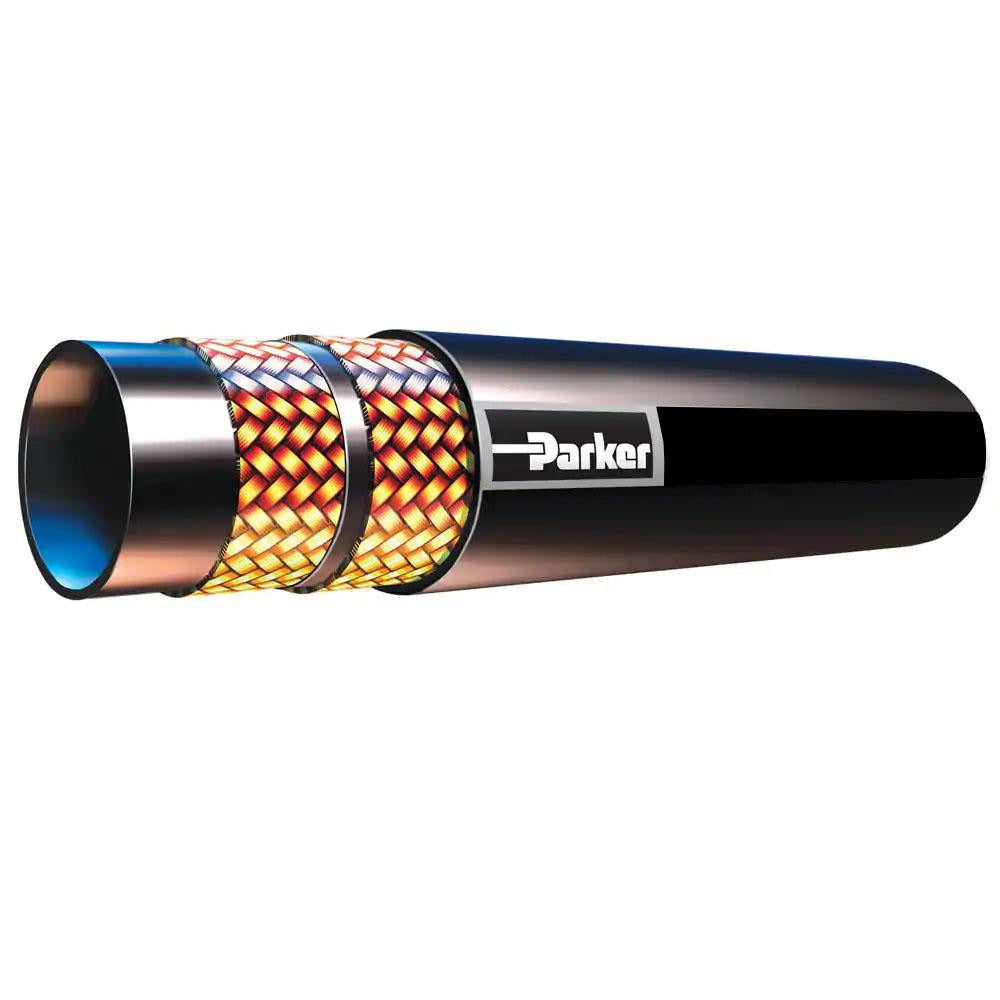
Parker 422-4-RL Hydraulic Hose 3250 Psi 0.25 Inch Id
Availability:
In Stock

Ships same day if ordered by 12 pm
- $249.21
- $249.21
- Unit price
- / per
✓
Better Price in Cart
Manufacturer pricing rules prevent us from advertising our discount — no account or email required to see it.
-
Secure Payments
-
Easy Returns
-
Expert Advice
-
Fast Shipping
Product Description
The PARKER 422-4-RL is a single-wire-braid hydraulic hose rated at 3,250 psi working pressure, designed for medium-pressure hydraulic fluid conveyance in industrial and mobile equipment applications. Built with a synthetic rubber tube and cover, this -4 hose size carries a 0.25 inch inner diameter and meets SAE J517 100R1AT and EN 853 1SN standards. It is sold by the foot in a 450-foot coil, with a minimum cut length of 25 feet. Hydraulic system technicians, fluid power specialists, and heavy equipment mechanics specify this hose for routing hydraulic lines where flexibility, pressure capacity, and temperature resistance are required.
The 422-4-RL is suited for mobile hydraulic systems, industrial machinery, and agricultural equipment where a compact hose diameter and moderate working pressure cover the majority of circuit requirements. The -40 degrees F to 212 degrees F temperature range makes it viable in both cold-climate outdoor equipment and standard shop environments. It is typically cut to length at the shop and terminated with appropriate bite-to-wire or swaged end fittings before installation. This hose is sold in 25-foot minimum increments from a 450-foot coil, priced per foot.
Key Features
- 3,250 psi working pressure rating suitable for medium-pressure hydraulic circuits
- 0.25 inch (1/4 inch) inner diameter, -4 hose size designation
- Synthetic rubber construction for compatibility with standard petroleum-based hydraulic fluids
- Operating temperature range of -40 degrees F to 212 degrees F
- Meets EN 853 TYPE 1SN, ISO 1436-1 TYPE 1SN, SAE J1942, and SAE J517 100R1AT standards
- Sold per foot in 25-foot minimum cut lengths from a 450-foot coil
Compatibility
Designed as an OEM-style replacement or new-installation hose for medium-pressure hydraulic circuits in mobile and industrial equipment requiring a -4 (0.25 inch ID) single-wire-braid hose conforming to SAE J517 100R1AT or EN 853 1SN specifications.
Installation Notes
Installation should be performed by a qualified hydraulic technician or fluid power specialist. Depressurize and lock out the hydraulic system completely before cutting, removing, or replacing any hose section. Use appropriate hose cutting tools to ensure a clean square cut, and terminate with fittings rated for the hose series and working pressure. Follow SAE J1942 routing and clamping guidelines to prevent abrasion, excessive bending, and heat contact during operation.
Technical Specifications

Complete your install
We pulled together the parts most installs need for this unit, plus a few add-ons worth a look. Check what you need — nothing here blocks checkout.
Loading install accessories...
Add install kit to cart
—
Related Products
- Choosing a selection results in a full page refresh.