


Search
-
HVAC Equipment
-
Ductless Mini Splits
- Ductless Mini Splits
- Shop By Zone
- Shop by BTU
- Shop By Brand
- Components
- Accessories
-
HVAC Parts & Supplies
- HVAC Parts & Supplies
- HVAC Supplies
- HVAC Tools
-
HVAC Replacement Parts
- Blower Housing & Assemblies
- Blower Wheels
- Breakers, Contactors & Disconnects
- Capacitors & Transformers
- Control & Circuit Boards
- Filter Driers & Accumulators
- Gas Valves & Conversion Kits
- Heat Exchangers
- Thermal Expansion Valves (TXV)
- Temperature Controls
- Wall Brackets & Parts
- Miscellaneous Parts
- O-Rings & Gaskets
- Hydronics
- Motors
- Thermostats & Zoning
-
Plumbing
-
Pool
-
Electrical
-
Air Quality
-
Tools & Supplies
-
Door Security & Hardware


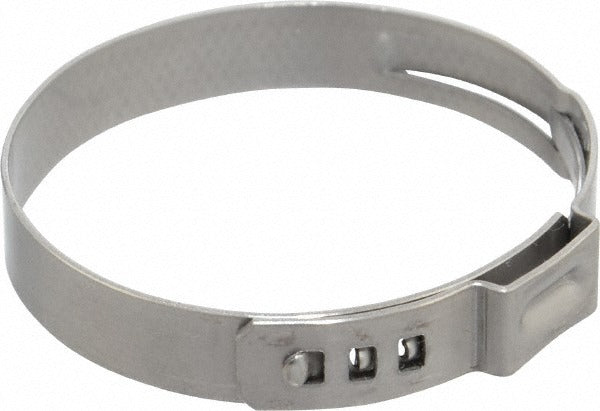
Oetiker 16705000-100 Ear Clamp 1.5 in Stainless Steel
Availability:
In Stock

Ships same day if ordered by 12 pm
- $14.99
- $14.99
- Unit price
- / per
✓
Better Price in Cart
Manufacturer pricing rules prevent us from advertising our discount — no account or email required to see it.
-
Secure Payments
-
Easy Returns
-
Expert Advice
-
Fast Shipping
Product Description
The OETIKER 16705000-100 is a single-ear clamp designed for permanent, tamper-resistant hose and tube connections in plumbing, HVAC, and fluid-handling systems. The clamp is formed from stainless steel and achieves a secure, uniform grip when the ear is crimped with the appropriate pincer tool. At a nominal size of 1.5 inches, the clamp suits a range of standard hose diameters in that class. Band width measures 7 millimeters and band thickness is 0.6 millimeters, delivering consistent clamping force without distorting soft hose materials. Plumbers, HVAC technicians, and mechanical contractors use ear clamps where a smooth, low-profile connection is required and reusability is not a concern.
This clamp is suited for residential and light commercial applications including PEX tubing connections, coolant hoses, barbed fittings, and condensate line terminations. The stainless steel construction resists corrosion in wet or humid environments, making it appropriate for installations near drain pans, heat exchangers, or outdoor plumbing runs. It is sold individually with a minimum order quantity of 5 units, which aligns with typical service-call or small-project quantities for trade professionals.
Key Features
- Single-ear crimp design provides permanent, vibration-resistant hose retention
- Stainless steel construction resists corrosion in wet and humid environments
- 1.5-inch nominal size fits standard hose and tubing in that diameter class
- 7-millimeter band width distributes clamping load evenly across soft hose walls
- 0.6-millimeter band thickness maintains strength without excessive bulk
- Low-profile ear sits flush after crimping, reducing clearance concerns in tight spaces
Compatibility
Designed as an OEM-style single-ear clamp for 1.5-inch nominal hose and tubing connections in plumbing, HVAC, and fluid-handling assemblies where a permanent crimp-style clamp is specified.
Installation Notes
Ear clamps require a dedicated ear-clamp pincer or crimping tool to close the ear uniformly — do not attempt installation with generic pliers. Shut off water supply or system pressure and relieve any residual pressure before removing or installing clamps on pressurized lines. Verify the hose is fully seated on the barb fitting before crimping, as the connection is not reusable once the ear is closed. Follow applicable plumbing code (IPC) or mechanical code requirements for the specific system type.
Technical Specifications

Complete your install
We pulled together the parts most installs need for this unit, plus a few add-ons worth a look. Check what you need — nothing here blocks checkout.
Loading install accessories...
Add install kit to cart
—
Related Products
- Choosing a selection results in a full page refresh.