


Search
-
HVAC Equipment
-
Ductless Mini Splits
- Ductless Mini Splits
- Shop By Zone
- Shop by BTU
- Shop By Brand
- Components
- Accessories
-
HVAC Parts & Supplies
- HVAC Parts & Supplies
- HVAC Supplies
- HVAC Tools
-
HVAC Replacement Parts
- Blower Housing & Assemblies
- Blower Wheels
- Breakers, Contactors & Disconnects
- Capacitors & Transformers
- Control & Circuit Boards
- Filter Driers & Accumulators
- Gas Valves & Conversion Kits
- Heat Exchangers
- Thermal Expansion Valves (TXV)
- Temperature Controls
- Wall Brackets & Parts
- Miscellaneous Parts
- O-Rings & Gaskets
- Hydronics
- Motors
- Thermostats & Zoning
-
Plumbing
-
Pool
-
Electrical
-
Air Quality
-
Tools & Supplies
-
Door Security & Hardware


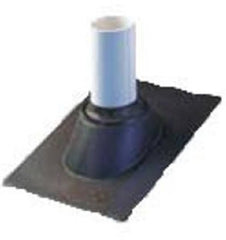
Oatey Company 11891 Thermoplastic Roof Flashing 4 Inches

Availability:
In Stock
Ships in 3 - 4 Business Days
- $33.43
- $33.43
- Unit price
- / per
✓
Better Price in Cart
Manufacturer pricing rules prevent us from advertising our discount — no account or email required to see it.
-
Secure Payments
-
Easy Returns
-
Expert Advice
-
Fast Shipping
Product Description
The OATEY COMPANY 11891 is a 4-inch thermoplastic no-calk roof flashing designed to create a weathertight seal around plumbing vent stacks where they penetrate a roof deck. Built as a single-piece construction, it eliminates the need for caulk by using a double-seal design that conforms tightly to the pipe. Licensed plumbers and roofing contractors install this flashing during new construction and re-roofing projects to prevent water intrusion at one of the most common leak points on a residential or light commercial structure. Its thermoplastic body resists UV degradation and temperature cycling, making it a durable long-term solution for vent stack weatherproofing.
This flashing is suited for residential and light commercial plumbing vent applications where a 4-inch pipe penetrates the roof. It accommodates all common pipe materials, including cast iron, copper, plastic, and galvanized steel, making it a versatile choice across retrofit and new-installation scenarios. The no-calk feature simplifies installation on pitched roofs where applying sealant evenly can be difficult. Units are sold in packages of 6, making this a practical option for contractors stocking for multiple jobs or a service vehicle.
Key Features
- Single-piece thermoplastic construction for straightforward field installation
- Double-seal design creates a leak-free fit without caulk or additional sealant
- Compatible with cast iron, copper, plastic, and galvanized pipe materials
- Fits 4-inch vent stacks — a standard size in residential drain-waste-vent systems
- Meets UPC, SBC, and BOCA code requirements for vent flashing applications
- Sold as a package of 6 units per carton
Compatibility
Fits all types of 4-inch pipe including cast iron, copper, plastic, and galvanized steel vent stacks. Listed to UPC, SBC, and BOCA codes as stated by the manufacturer.
Installation Notes
Installation is typically performed by a licensed plumber or roofing contractor working in accordance with local plumbing and building codes. Before installation, ensure the vent stack and surrounding roof deck are clean and dry. Slide the flashing over the pipe from above and integrate it under the upper courses of roofing material while lapping it over the lower courses to direct water away from the penetration. No caulk is required by design, but local code or inspector requirements should always be verified before finalizing the installation.
Technical Specifications

Complete your install
We pulled together the parts most installs need for this unit, plus a few add-ons worth a look. Check what you need — nothing here blocks checkout.
Loading install accessories...
Add install kit to cart
—
Related Products
- Choosing a selection results in a full page refresh.