


Search
-
HVAC Equipment
-
Ductless Mini Splits
- Ductless Mini Splits
- Shop By Zone
- Shop by BTU
- Shop By Brand
- Components
- Accessories
-
HVAC Parts & Supplies
- HVAC Parts & Supplies
- HVAC Supplies
- HVAC Tools
-
HVAC Replacement Parts
- Blower Housing & Assemblies
- Blower Wheels
- Breakers, Contactors & Disconnects
- Capacitors & Transformers
- Control & Circuit Boards
- Filter Driers & Accumulators
- Gas Valves & Conversion Kits
- Heat Exchangers
- Thermal Expansion Valves (TXV)
- Temperature Controls
- Wall Brackets & Parts
- Miscellaneous Parts
- O-Rings & Gaskets
- Hydronics
- Motors
- Thermostats & Zoning
-
Plumbing
-
Pool
-
Electrical
-
Air Quality
-
Tools & Supplies
-
Door Security & Hardware


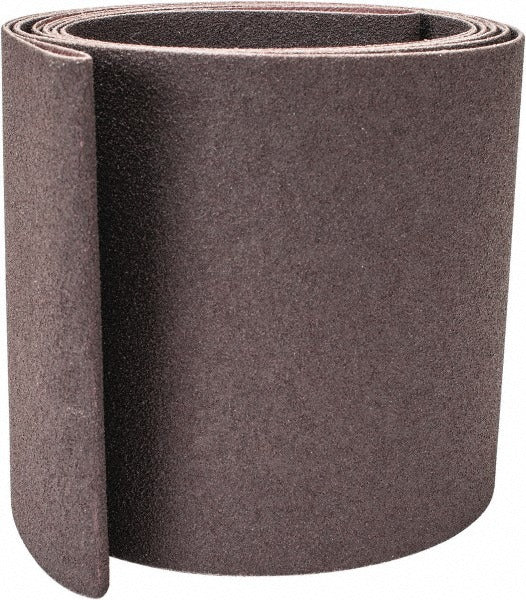
Norton 78072722385 Abrasive Belt 80 Grit 4x132 in
Availability:
In Stock

Ships same day if ordered by 12 pm
- $39.87
- $39.87
- Unit price
- / per
✓
Better Price in Cart
Manufacturer pricing rules prevent us from advertising our discount — no account or email required to see it.
-
Secure Payments
-
Easy Returns
-
Expert Advice
-
Fast Shipping
Product Description
The NORTON 78072722385 is a coated abrasive belt designed for aggressive material removal on belt sanders and wide-belt grinding machines. Built on an X-weight cloth backing, this belt handles the mechanical stress of heavy stock removal without breaking down prematurely. It runs dry and carries a closed-coat aluminum oxide abrasive layer at 80 grit, placing it firmly in the coarse grade range. At 4 inches wide and 132 inches in overall length, it fits a range of industrial and professional stationary belt sanding equipment. Licensed trades and industrial maintenance crews rely on this belt for surface prep, weld blending, and scale removal on metal and wood substrates.
This belt is suited for stationary belt grinders and wide-belt sanders used in metal fabrication shops, woodworking operations, and industrial maintenance environments. The 80-grit coarse cut makes it appropriate for initial stock removal, deburring, and leveling uneven surfaces before progressing to finer grits. The closed-coat construction keeps abrasive grain density high, which improves cut rate on hard materials. It is a dry-use belt and should not be used with cutting fluids or coolants. Part of the NORTON R228 series, it follows consistent construction and performance standards across the product line.
Key Features
- 80-grit coarse aluminum oxide abrasive for aggressive stock removal
- Closed-coat construction maximizes grain density and cut rate
- X-weight cloth backing provides strength and flexibility under tension
- Dry-use design — not rated for wet or coolant-assisted operation
- Part of the R228 series for consistent performance and sizing
- 4 x 132 inch dimensions fit standard wide-belt and stationary sanding equipment
Compatibility
Designed as an OEM-style replacement or consumable supply for stationary belt sanders and wide-belt grinding machines that accept 4-inch wide by 132-inch length abrasive belts.
Installation Notes
Installation is performed by maintenance technicians or equipment operators following the machine manufacturer's belt-change procedure. Power down and lock out the machine before removing the worn belt or installing a new one. Verify belt tracking adjustment after installation and run the machine briefly at low load to confirm the belt seats and tracks correctly before full-speed operation. Inspect the platen and contact wheel for wear that could cause premature belt failure.
Technical Specifications

Complete your install
We pulled together the parts most installs need for this unit, plus a few add-ons worth a look. Check what you need — nothing here blocks checkout.
Loading install accessories...
Add install kit to cart
—
Related Products
- Choosing a selection results in a full page refresh.