


Search
-
HVAC Equipment
-
Ductless Mini Splits
- Ductless Mini Splits
- Shop By Zone
- Shop by BTU
- Shop By Brand
- Components
- Accessories
-
HVAC Parts & Supplies
- HVAC Parts & Supplies
- HVAC Supplies
- HVAC Tools
-
HVAC Replacement Parts
- Blower Housing & Assemblies
- Blower Wheels
- Breakers, Contactors & Disconnects
- Capacitors & Transformers
- Control & Circuit Boards
- Filter Driers & Accumulators
- Gas Valves & Conversion Kits
- Heat Exchangers
- Thermal Expansion Valves (TXV)
- Temperature Controls
- Wall Brackets & Parts
- Miscellaneous Parts
- O-Rings & Gaskets
- Hydronics
- Motors
- Thermostats & Zoning
-
Plumbing
-
Pool
-
Electrical
-
Air Quality
-
Tools & Supplies
-
Door Security & Hardware


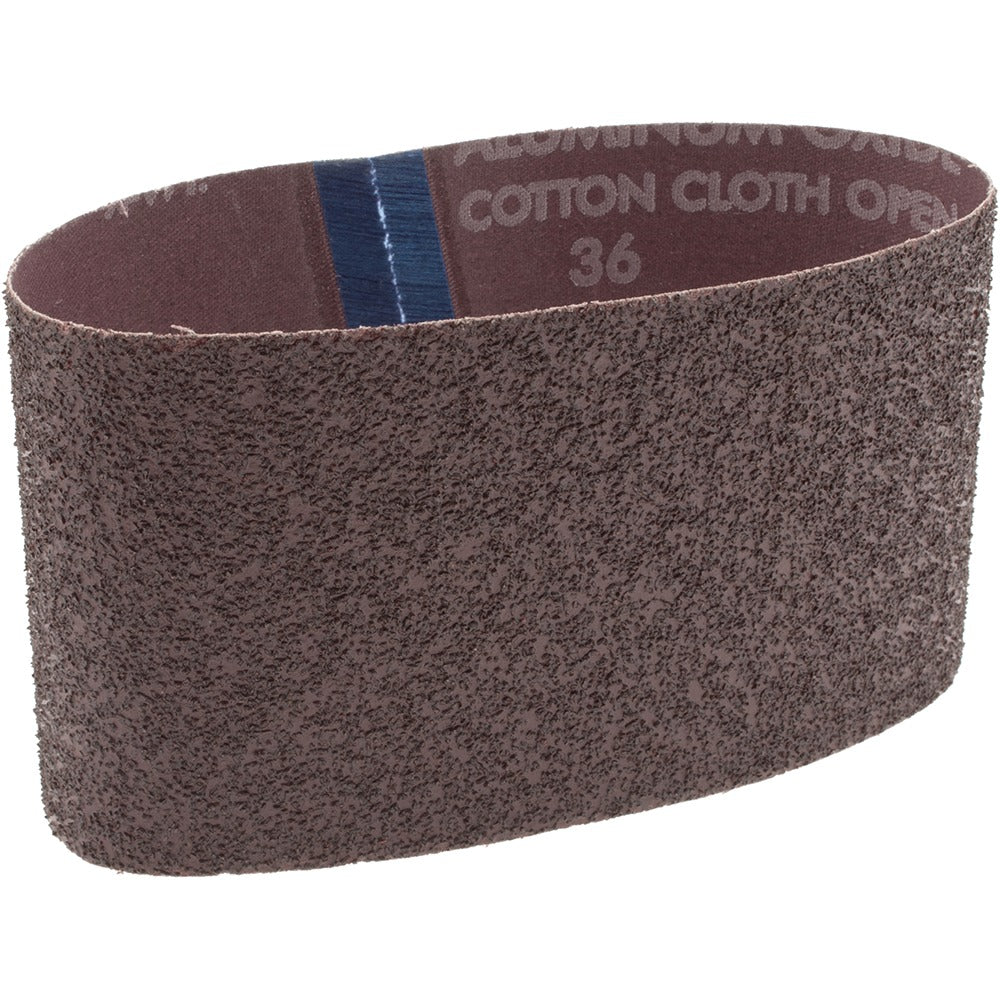
Norton 78072721997 Abrasive Belt 36 Grit 3-1/2x15-1/2 in
Availability:
In Stock

Ships same day if ordered by 12 pm
- $14.99
- $14.99
- Unit price
- / per
✓
Better Price in Cart
Manufacturer pricing rules prevent us from advertising our discount — no account or email required to see it.
-
Secure Payments
-
Easy Returns
-
Expert Advice
-
Fast Shipping
Product Description
The NORTON 78072721997 is a coated abrasive belt designed for aggressive material removal in grinding and shaping applications. Measuring 3-1/2 inches wide by 15-1/2 inches long, it fits belt sanders and finishing machines common in fabrication, woodworking, and metalworking environments. The belt runs a 36-grit, extra-coarse aluminum oxide abrasive on a closed-coat pattern, making it well suited for rapid stock removal, weld blending, and rough surface conditioning. A heavy-duty X-weight cloth backing resists tearing under sustained load and holds up to the heat generated during dry grinding operations. Tradespeople and shop technicians who need a fast-cutting, durable belt for initial shaping and heavy material removal will find this belt performs consistently across multiple passes.
This belt is appropriate for dry-use belt sander applications in metal fabrication shops, cabinet shops, and general maintenance environments. The R228 series aluminum oxide construction performs well on ferrous and non-ferrous metals, hardwood, and painted or coated surfaces requiring stripping. The extra-coarse 36-grit rating positions it as a first-stage belt for multi-step finishing sequences where subsequent passes with finer grits follow. It is sold individually and packaged as a single unit.
Key Features
- 36-grit extra-coarse aluminum oxide abrasive for aggressive stock removal
- Closed-coat abrasive pattern delivers consistent cut across the full belt face
- X-weight cloth backing provides high tensile strength and tear resistance
- Dry-operation design suitable for metal, wood, and coated surface applications
- R228 series construction engineered for belt sander compatibility
- Weighs 0.7 pounds — lightweight and easy to handle during changeover
Compatibility
Designed as a direct-fit replacement or standard-stock abrasive belt for belt sanders and finishing machines that accept 3-1/2 inch by 15-1/2 inch belts in dry-use configurations.
Installation Notes
Belt installation should be performed by a qualified operator with the sander powered off and unplugged. Confirm the arrow or directional marking on the belt interior aligns with the machine drum rotation before tensioning. Inspect the platen and contact wheel for wear or debris before seating a new belt. Follow the tool manufacturer torque and tension specifications when tightening the tracking adjustment.
Technical Specifications

Complete your install
We pulled together the parts most installs need for this unit, plus a few add-ons worth a look. Check what you need — nothing here blocks checkout.
Loading install accessories...
Add install kit to cart
—
Related Products
- Choosing a selection results in a full page refresh.