


Search
-
HVAC Equipment
-
Ductless Mini Splits
- Ductless Mini Splits
- Shop By Zone
- Shop by BTU
- Shop By Brand
- Components
- Accessories
-
HVAC Parts & Supplies
- HVAC Parts & Supplies
- HVAC Supplies
- HVAC Tools
-
HVAC Replacement Parts
- Blower Housing & Assemblies
- Blower Wheels
- Breakers, Contactors & Disconnects
- Capacitors & Transformers
- Control & Circuit Boards
- Filter Driers & Accumulators
- Gas Valves & Conversion Kits
- Heat Exchangers
- Thermal Expansion Valves (TXV)
- Temperature Controls
- Wall Brackets & Parts
- Miscellaneous Parts
- O-Rings & Gaskets
- Hydronics
- Motors
- Thermostats & Zoning
-
Plumbing
-
Pool
-
Electrical
-
Air Quality
-
Tools & Supplies
-
Door Security & Hardware


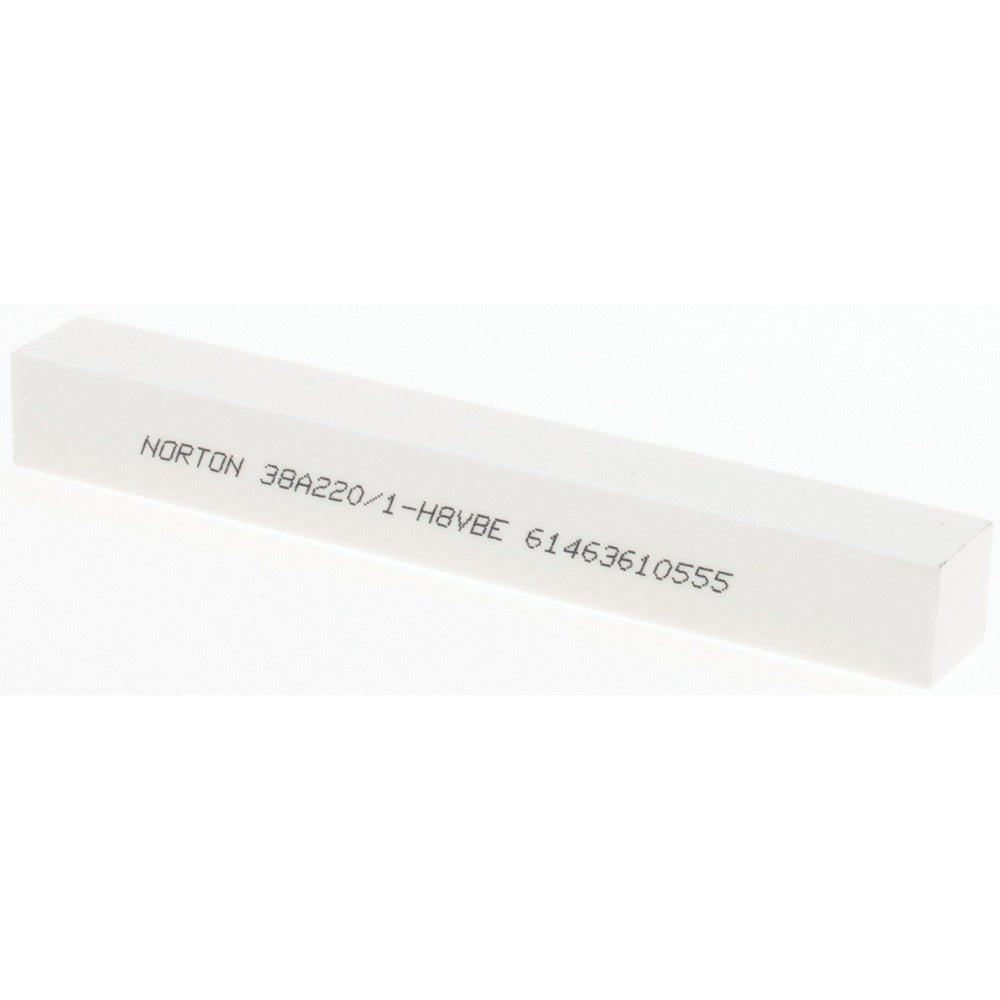
Norton 61463610555 Aluminum Oxide Dressing Stick 220 Grit
Availability:
In Stock

Ships same day if ordered by 12 pm
- $46.59
- $46.59
- Unit price
- / per
✓
Better Price in Cart
Manufacturer pricing rules prevent us from advertising our discount — no account or email required to see it.
-
Secure Payments
-
Easy Returns
-
Expert Advice
-
Fast Shipping
Product Description
The NORTON 61463610555 is a square aluminum oxide dressing stick used to true, dress, and open the face of superabrasive grinding wheels. At 220 grit, it falls in the very fine grade range, making it suited for finish dressing where minimal stock removal and precise wheel geometry are the priorities. The vitrified bond construction holds the aluminum oxide abrasive firmly while still fracturing cleanly under dressing pressure, allowing the stick to expose fresh abrasive on the wheel face. Measuring 4 inches long by 0.5 inches wide by 0.5 inches thick, it fits standard dressing fixtures and can also be hand-held during off-machine truing by experienced wheel technicians.
This dressing stick is applied to superabrasive wheels, including CBN and diamond wheel types used in precision grinding operations. Typical applications include surface grinders, cylindrical grinders, and tool and cutter grinders running vitrified or resin-bond superabrasive wheels that need periodic re-truing. The white aluminum oxide composition and vitrified bond make it a stable choice for controlled dressing passes in both production shop and maintenance environments. Grinding technicians and tool room machinists are the primary users of this type of stick.
Key Features
- 220 grit very fine grade for precise, controlled wheel dressing
- Aluminum oxide abrasive in a vitrified bond for consistent, clean cutting action
- Square stick shape at 0.5 x 0.5 inches fits standard dressing fixtures
- 4-inch length provides adequate working life before replacement
- White color typical of friable aluminum oxide, suited for light dressing passes on superabrasive wheels
- Designed for superabrasive wheel applications including CBN and diamond wheel types
Compatibility
Designed for use on superabrasive wheels as stated by the manufacturer. No additional specific wheel model or brand compatibility data was provided in the product input.
Installation Notes
Dressing sticks of this type are used by grinding machine operators and tool room technicians. Before dressing, power down or disengage the machine spindle per shop lockout/tagout procedures if performing off-machine dressing. When dressing a rotating wheel, follow the wheel manufacturer and machine manufacturer guidelines for feed rate and dressing pressure. Do not apply excessive force against the wheel face, as uneven contact can cause wheel damage or inaccurate truing.
Technical Specifications

Complete your install
We pulled together the parts most installs need for this unit, plus a few add-ons worth a look. Check what you need — nothing here blocks checkout.
Loading install accessories...
Add install kit to cart
—
Related Products
- Choosing a selection results in a full page refresh.