


Search
-
HVAC Equipment
-
Ductless Mini Splits
- Ductless Mini Splits
- Shop By Zone
- Shop by BTU
- Shop By Brand
- Components
- Accessories
-
HVAC Parts & Supplies
- HVAC Parts & Supplies
- HVAC Supplies
- HVAC Tools
-
HVAC Replacement Parts
- Blower Housing & Assemblies
- Blower Wheels
- Breakers, Contactors & Disconnects
- Capacitors & Transformers
- Control & Circuit Boards
- Filter Driers & Accumulators
- Gas Valves & Conversion Kits
- Heat Exchangers
- Thermal Expansion Valves (TXV)
- Temperature Controls
- Wall Brackets & Parts
- Miscellaneous Parts
- O-Rings & Gaskets
- Hydronics
- Motors
- Thermostats & Zoning
-
Plumbing
-
Pool
-
Electrical
-
Air Quality
-
Tools & Supplies
-
Door Security & Hardware


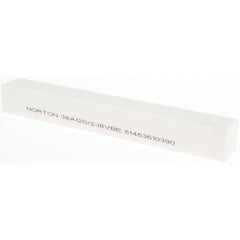
Norton 61463610390 Aluminum Oxide Dressing Stick 120 Grit
Availability:
In Stock

Ships same day if ordered by 12 pm
- $34.28
- $34.28
- Unit price
- / per
✓
Better Price in Cart
Manufacturer pricing rules prevent us from advertising our discount — no account or email required to see it.
-
Secure Payments
-
Easy Returns
-
Expert Advice
-
Fast Shipping
Product Description
The NORTON 61463610390 is a square aluminum oxide dressing stick designed for truing and dressing superabrasive grinding wheels. At 120 grit with a fine grade, it removes loading, restores wheel face geometry, and exposes fresh abrasive grain to maintain consistent cut. The vitrified bond construction provides a rigid, porous matrix that holds abrasive grains firmly while allowing for controlled breakdown during dressing. This stick measures 8 inches in length and 1 inch by 1 inch in cross-section, giving the operator a solid grip and enough material for extended service life. It is used by toolroom machinists, surface grinders, and grinding wheel maintenance technicians working with superabrasive and conventional wheel setups.
This dressing stick is suited for use on superabrasive wheels in both production and toolroom grinding environments. Typical applications include dressing CBN and diamond wheels on surface grinders, cylindrical grinders, and tool and cutter grinders. The fine 120 grit aluminum oxide abrasive makes it appropriate for finishing and light corrective dressing where minimal material removal from the wheel face is needed. It is a single-stick package, making it easy to stock individually or as part of a larger wheel maintenance kit.
Key Features
- 120 grit aluminum oxide abrasive for fine-grade dressing of superabrasive wheels
- Square stick profile at 1 inch by 1 inch cross-section for stable, controlled contact
- 8-inch length provides extended usable material per stick
- Vitrified bond offers a rigid, consistent dressing action
- White aluminum oxide construction resists contamination of wheel face
- Sized for handheld or fixture-mounted dressing applications
Compatibility
Designed for dressing and truing superabrasive grinding wheels including CBN and diamond wheel types used in surface, cylindrical, and tool and cutter grinding applications.
Installation Notes
Dressing sticks are typically applied by qualified machinists or grinding technicians. Before dressing, ensure the grinder is at operating speed and all guards are properly in place. Apply the stick to the rotating wheel face with firm, even pressure using a fixture or a steady two-handed grip — never force contact. Follow the grinding machine manufacturer's guidelines and applicable shop safety protocols when performing wheel maintenance.
Technical Specifications

Complete your install
We pulled together the parts most installs need for this unit, plus a few add-ons worth a look. Check what you need — nothing here blocks checkout.
Loading install accessories...
Add install kit to cart
—
Related Products
- Choosing a selection results in a full page refresh.