


Search
-
HVAC Equipment
-
Ductless Mini Splits
- Ductless Mini Splits
- Shop By Zone
- Shop by BTU
- Shop By Brand
- Components
- Accessories
-
HVAC Parts & Supplies
- HVAC Parts & Supplies
- HVAC Supplies
- HVAC Tools
-
HVAC Replacement Parts
- Blower Housing & Assemblies
- Blower Wheels
- Breakers, Contactors & Disconnects
- Capacitors & Transformers
- Control & Circuit Boards
- Filter Driers & Accumulators
- Gas Valves & Conversion Kits
- Heat Exchangers
- Thermal Expansion Valves (TXV)
- Temperature Controls
- Wall Brackets & Parts
- Miscellaneous Parts
- O-Rings & Gaskets
- Hydronics
- Motors
- Thermostats & Zoning
-
Plumbing
-
Pool
-
Electrical
-
Air Quality
-
Tools & Supplies
-
Door Security & Hardware


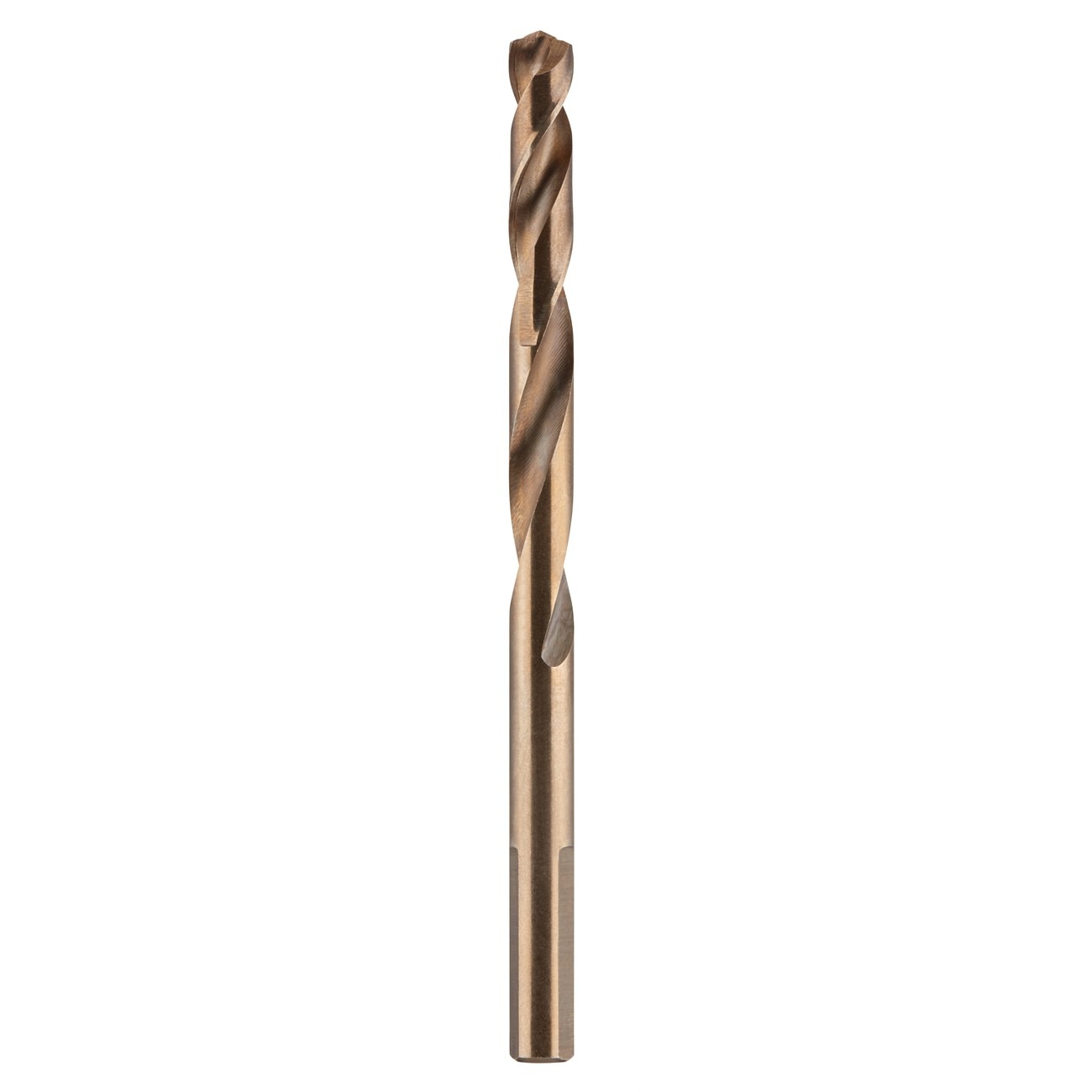
Milwaukee 48-89-2515 Cobalt Jobber Drill Bit 4 in

Ships in 4 - 5 Weeks
- $14.99
- $14.99
- Unit price
- / per
✓
Better Price in Cart
Manufacturer pricing rules prevent us from advertising our discount — no account or email required to see it.
-
Secure Payments
-
Easy Returns
-
Expert Advice
-
Fast Shipping
Product Description
The MILWAUKEE 48-89-2515 is a cobalt jobber-length drill bit built for hard metal applications where standard high-speed steel bits wear out prematurely. It uses a variable helix design with an aggressive 35-degree helix angle transitioning to 15 degrees at the tip. This geometry accelerates chip evacuation and limits heat buildup at the cutting edge, which helps the bit stay sharp through demanding drilling cycles. A 135-degree split point tip starts on contact without a center punch and resists walking on curved or uneven surfaces. Licensed HVAC technicians, pipefitters, electricians, and sheet metal workers reach for this bit when drilling into stainless, hardened steel, and other difficult alloys.
This bit is suited for trade professionals drilling hard metals in both residential and commercial settings. Typical applications include drilling through structural steel, stainless steel fastener holes, and hardened plate stock. The jobber-length profile fits standard 3-jaw chucks on corded and cordless drills as well as drill presses. A knurled shank section provides grip retention inside the chuck to reduce slippage during high-torque drilling. The bit ships as a single unit, making it a direct replacement or add-on for existing drill index sets.
Key Features
- Variable helix angle (35 degrees aggressive, transitioning to 15 degrees) promotes rapid chip removal and reduced heat buildup
- 135-degree split point tip starts on contact and prevents walking without a center punch
- Cobalt construction extends service life in hard metal applications compared to standard black oxide bits
- Chip breaker geometry further reduces heat accumulation during extended drilling cycles
- Knurled secure-grip shank resists slipping in chuck under high torque
- Jobber length at 4 inches suits a wide range of drill presses and handheld drills
Compatibility
Designed as a jobber-length twist drill bit compatible with standard 3-jaw drill chucks accepting the listed shank diameter; fits corded drills, cordless drills, and drill presses used in metal fabrication and trade service work.
Installation Notes
Installation is performed by machinists, electricians, pipefitters, and general trade professionals. Secure the bit firmly in a properly sized chuck before operating and confirm the chuck key is removed before starting the drill. Use cutting fluid or coolant when drilling hard metals to further reduce heat buildup and extend bit life. Inspect the cutting edges before each use and replace the bit if chipping or dulling is observed to maintain hole accuracy.
Technical Specifications

Complete your install
We pulled together the parts most installs need for this unit, plus a few add-ons worth a look. Check what you need — nothing here blocks checkout.
Loading install accessories...
Add install kit to cart
—
Related Products
- Choosing a selection results in a full page refresh.