


Search
-
HVAC Equipment
-
Ductless Mini Splits
- Ductless Mini Splits
- Shop By Zone
- Shop by BTU
- Shop By Brand
- Components
- Accessories
-
HVAC Parts & Supplies
- HVAC Parts & Supplies
- HVAC Supplies
- HVAC Tools
-
HVAC Replacement Parts
- Blower Housing & Assemblies
- Blower Wheels
- Breakers, Contactors & Disconnects
- Capacitors & Transformers
- Control & Circuit Boards
- Filter Driers & Accumulators
- Gas Valves & Conversion Kits
- Heat Exchangers
- Thermal Expansion Valves (TXV)
- Temperature Controls
- Wall Brackets & Parts
- Miscellaneous Parts
- O-Rings & Gaskets
- Hydronics
- Motors
- Thermostats & Zoning
-
Plumbing
-
Pool
-
Electrical
-
Air Quality
-
Tools & Supplies
-
Door Security & Hardware


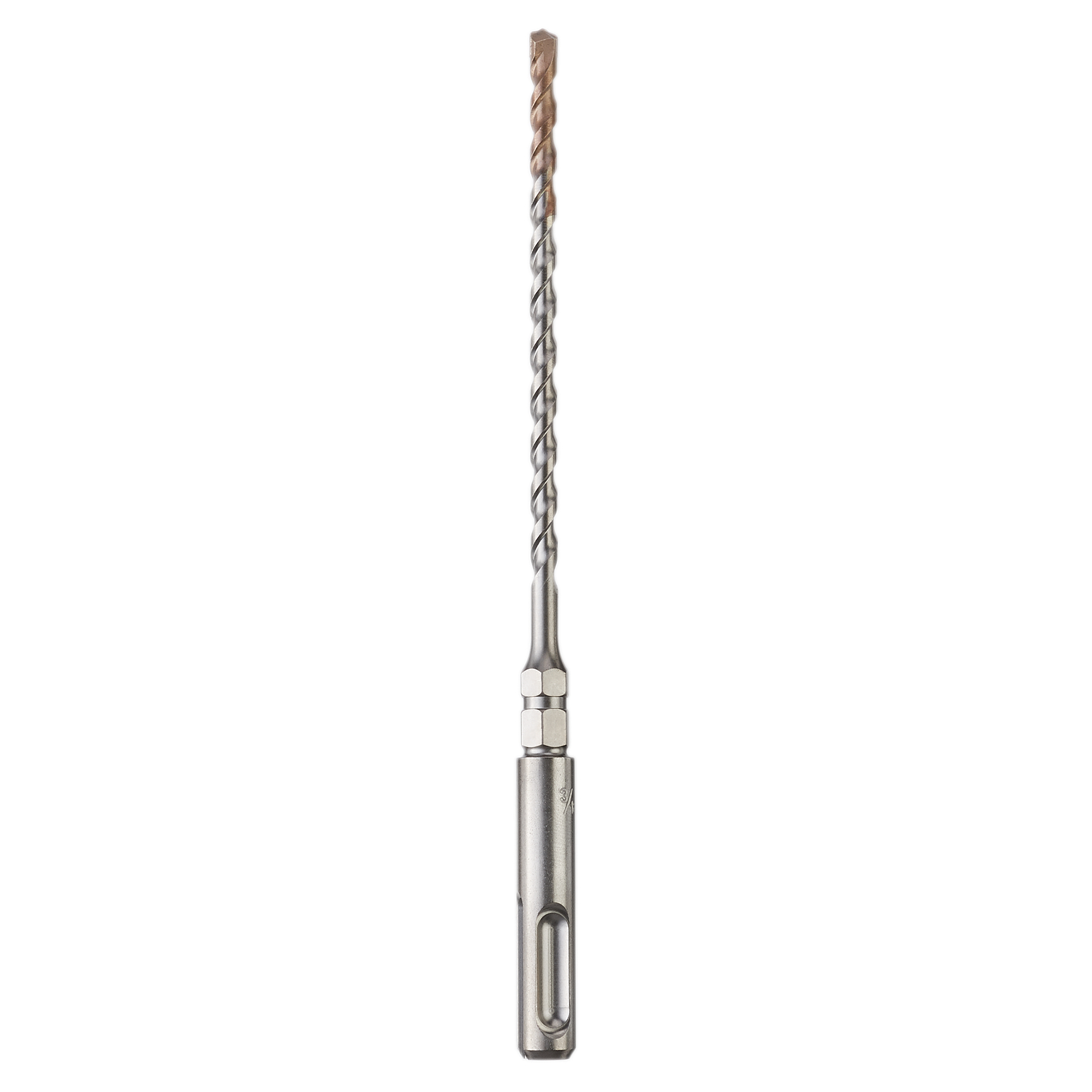
Milwaukee 48-20-7092 Sds Plus Bit 3/16x7 in 1/4 Hex Tapcon

Availability:
In Stock
Ships same day if ordered by 12 pm
- $25.26
- $25.26
- Unit price
- / per
✓
Better Price in Cart
Manufacturer pricing rules prevent us from advertising our discount — no account or email required to see it.
-
Secure Payments
-
Easy Returns
-
Expert Advice
-
Fast Shipping
Product Description
The MILWAUKEE 48-20-7092 is an SDS Plus rotary hammer bit engineered specifically for TAPCON screw applications in concrete, brick, and block masonry. Measuring 3/16 inches in diameter and 7 inches in length, it features a 1/4-inch hex shank and a 2-cutter geometry that accelerates drilling speed while clearing debris efficiently. The patented reinforced flute design improves impact resistance and channels energy directly to the bit tip. Patented rebar chamfers protect the carbide tip from chipping when contacting rebar and hard aggregate. Licensed HVAC, plumbing, and general trade contractors driving TAPCON fasteners into masonry substrates will find this bit suited to high-cycle, impact-intensive work.
This bit is designed for use in SDS Plus rotary hammers on residential and commercial masonry applications, including concrete slab, CMU block, and brick. It is intended for use with the drive sleeve included in the SDS Plus TAPCON installation kit (48-20-7497). The 1/4-inch hex interface mates with the drive sleeve to complete the TAPCON installation system. Contractors anchoring equipment, brackets, conduit, or pipe supports into concrete and masonry substrates are the primary users of this bit.
Key Features
- 2-cutter geometry for fast drilling and efficient debris removal in masonry
- Patented reinforced flute design increases impact resistance and transfers energy to the tip
- Patented rebar chamfers reduce carbide chipping on contact with rebar and hard aggregate
- 1/4-inch hex shank compatible with the SDS Plus TAPCON installation kit drive sleeve (48-20-7497)
- Engineered for TAPCON screw applications in concrete, brick, and block
Compatibility
Designed for use with SDS Plus rotary hammers and intended for TAPCON screw installation applications. Requires the drive sleeve from the SDS Plus TAPCON installation kit (48-20-7497) for proper operation.
Installation Notes
Installation should be performed by a qualified trade professional using an SDS Plus rotary hammer. Before drilling, confirm the substrate is free of hidden utilities, conduit, or post-tension cables. Use the correct drive sleeve from the TAPCON installation kit — operating the bit without the proper sleeve adapter is not recommended. Follow applicable building codes and fastener manufacturer guidelines for anchor spacing and edge distance in masonry substrates.
Technical Specifications
- Bit Diameter: 3/16 inches
- Overall Length: 7 inches
- Shank Type: SDS Plus with 1/4 inch hex
- Cutter Geometry: 2-cutter
- Application: TAPCON screw installation, concrete, brick, block masonry
- UPC: 045242108671
Standard Information
- Brand: MILWAUKEE
- Manufacturer Part Number: 48-20-7092

Complete your install
We pulled together the parts most installs need for this unit, plus a few add-ons worth a look. Check what you need — nothing here blocks checkout.
Loading install accessories...
Add install kit to cart
—
Related Products
- Choosing a selection results in a full page refresh.