


Search
-
HVAC Equipment
-
Ductless Mini Splits
- Ductless Mini Splits
- Shop By Zone
- Shop by BTU
- Shop By Brand
- Components
- Accessories
-
HVAC Parts & Supplies
- HVAC Parts & Supplies
- HVAC Supplies
- HVAC Tools
-
HVAC Replacement Parts
- Blower Housing & Assemblies
- Blower Wheels
- Breakers, Contactors & Disconnects
- Capacitors & Transformers
- Control & Circuit Boards
- Filter Driers & Accumulators
- Gas Valves & Conversion Kits
- Heat Exchangers
- Thermal Expansion Valves (TXV)
- Temperature Controls
- Wall Brackets & Parts
- Miscellaneous Parts
- O-Rings & Gaskets
- Hydronics
- Motors
- Thermostats & Zoning
-
Plumbing
-
Pool
-
Electrical
-
Air Quality
-
Tools & Supplies
-
Door Security & Hardware


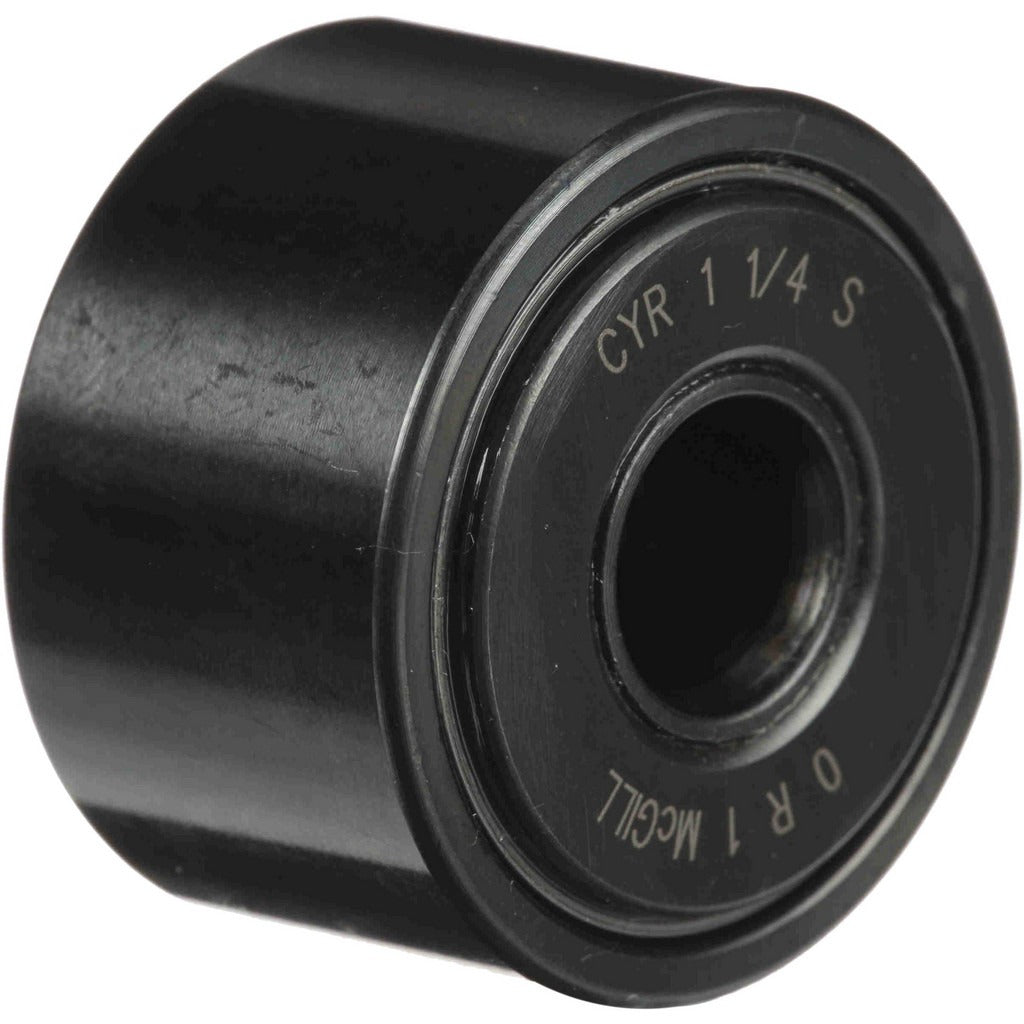
Mcgill 4120110000 Cam Yoke Roller 1-1/4 in Crowned
Availability:
In Stock

Ships same day if ordered by 12 pm
- $64.90
- $64.90
- Unit price
- / per
✓
Better Price in Cart
Manufacturer pricing rules prevent us from advertising our discount — no account or email required to see it.
-
Secure Payments
-
Easy Returns
-
Expert Advice
-
Fast Shipping
Product Description
The MCGILL 4120110000 is a sealed, crowned cam yoke roller designed for use in cam follower applications where radial loads must be transferred along a track or cam surface. Built around a needle roller bearing, this follower delivers a dynamic load capacity of 3,930 pounds and a static load capacity of 8,500 pounds. The 0.375 inch bore diameter, 1.25 inch roller diameter, and 0.75 inch roller width make it a compact yet capable component for light to moderate industrial machinery. Steel construction throughout provides durability under cyclic loading conditions. Installation is typically performed by maintenance technicians and mechanical assemblers working on production equipment, conveyors, or cam-driven mechanisms.
This cam yoke roller is suited for applications in industrial machinery, automation equipment, and material handling systems where a yoke-style cam follower is required. The crowned roller profile allows for slight misalignment between the follower and the cam or track surface, reducing edge loading and extending service life. With a maximum speed rating of 3,100 RPM and a sealed closure type that retains lubrication and resists contamination, this part is appropriate for continuous-duty installations. The McGill part number cross-reference is CYR 1-1/4 S.
Key Features
- Crowned roller profile reduces edge loading and accommodates minor misalignment
- Needle roller bearing type provides a high load capacity relative to overall size
- 3,930 pound dynamic load capacity and 8,500 pound static load capacity
- Sealed closure retains lubrication and excludes contaminants without external sealing hardware
- Maximum rated speed of 3,100 RPM suitable for moderate-speed cam and track applications
- All-steel construction for durability in industrial environments
Compatibility
Cross-references to McGill part number CYR 1-1/4 S. Designed as an OEM-style replacement cam yoke roller for industrial machinery requiring a sealed, crowned needle roller follower with a 0.375 inch bore and 1.25 inch roller diameter.
Installation Notes
Installation should be performed by qualified maintenance technicians or mechanical assemblers. De-energize and lock out all power sources to the machine before removing or installing cam followers. Ensure the mating cam surface or track is clean and free of damage before installation. Do not press or strike the outer roller surface directly during installation, as this can damage the internal needle roller bearing.
Technical Specifications

Complete your install
We pulled together the parts most installs need for this unit, plus a few add-ons worth a look. Check what you need — nothing here blocks checkout.
Loading install accessories...
Add install kit to cart
—
Related Products
- Choosing a selection results in a full page refresh.