


Search
-
HVAC Equipment
-
Ductless Mini Splits
- Ductless Mini Splits
- Shop By Zone
- Shop by BTU
- Shop By Brand
- Components
- Accessories
-
HVAC Parts & Supplies
- HVAC Parts & Supplies
- HVAC Supplies
- HVAC Tools
-
HVAC Replacement Parts
- Blower Housing & Assemblies
- Blower Wheels
- Breakers, Contactors & Disconnects
- Capacitors & Transformers
- Control & Circuit Boards
- Filter Driers & Accumulators
- Gas Valves & Conversion Kits
- Heat Exchangers
- Thermal Expansion Valves (TXV)
- Temperature Controls
- Wall Brackets & Parts
- Miscellaneous Parts
- O-Rings & Gaskets
- Hydronics
- Motors
- Thermostats & Zoning
-
Plumbing
-
Pool
-
Electrical
-
Air Quality
-
Tools & Supplies
-
Door Security & Hardware


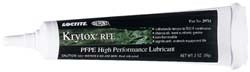
Loctite 234340 Anti-corrosion Grease 2 Oz Pfpe Ptfe

Availability:
In Stock
Ships same day if ordered by 12 pm
- $146.05
- $146.05
- Unit price
- / per
✓
Better Price in Cart
Manufacturer pricing rules prevent us from advertising our discount — no account or email required to see it.
-
Secure Payments
-
Easy Returns
-
Expert Advice
-
Fast Shipping
Product Description
The LOCTITE 234340 is a synthetic anti-corrosion grease formulated with a perfluoropolyether (PFPE) base oil and polytetrafluoroethylene (PTFE) thickener. It is packaged in a 2 oz tube and delivers long-lasting lubrication and corrosion protection across a wide service temperature range of -15 degrees F to 500 degrees F. The white, non-flammable formula is chemically resistant and thermally stable, making it well suited for demanding mechanical environments where standard petroleum-based greases break down. HVAC technicians, plumbers, electricians, and general maintenance professionals apply this grease to moving and sliding components that require reliable protection over extended service intervals.
This grease is designed for use on all types of moving and sliding components where long-lasting lubrication and corrosion resistance are required. Its synthetic PFPE composition makes it appropriate for applications involving exposure to aggressive chemicals, high temperatures, or conditions where flammability is a concern. Typical uses include valve stems, slide mechanisms, threaded fittings, and mechanical linkages found in HVAC, plumbing, and industrial service environments. The PTFE thickener reduces friction and wear on metal-to-metal contact surfaces across a broad operating temperature range.
Key Features
- Synthetic PFPE base with PTFE thickener for high-performance lubrication and wear resistance
- Operating temperature range: -15 degrees F to 500 degrees F
- Non-flammable and chemically resistant formula suitable for demanding service conditions
- Thermally stable across the full rated temperature range
- Anti-corrosion properties protect metal surfaces from oxidation and degradation
- Convenient 2 oz tube allows controlled application in the field
Compatibility
Designed for long-lasting lubrication of all types of moving and sliding components; suitable for use in HVAC, plumbing, electrical, and general industrial maintenance applications where a synthetic, chemically resistant grease is required.
Installation Notes
Apply this grease using a clean applicator or by direct tube dispensing to the target surface after removing old lubricant and debris. Power down or isolate any energized components before servicing mechanical parts in HVAC or electrical systems. Follow applicable codes and manufacturer service procedures for the equipment being serviced. Avoid contact with incompatible plastics or elastomers until material compatibility is confirmed for the specific application.
Technical Specifications

Complete your install
We pulled together the parts most installs need for this unit, plus a few add-ons worth a look. Check what you need — nothing here blocks checkout.
Loading install accessories...
Add install kit to cart
—
Related Products
- Choosing a selection results in a full page refresh.