


Search
-
HVAC Equipment
-
Ductless Mini Splits
- Ductless Mini Splits
- Shop By Zone
- Shop by BTU
- Shop By Brand
- Components
- Accessories
-
HVAC Parts & Supplies
- HVAC Parts & Supplies
- HVAC Supplies
- HVAC Tools
-
HVAC Replacement Parts
- Blower Housing & Assemblies
- Blower Wheels
- Breakers, Contactors & Disconnects
- Capacitors & Transformers
- Control & Circuit Boards
- Filter Driers & Accumulators
- Gas Valves & Conversion Kits
- Heat Exchangers
- Thermal Expansion Valves (TXV)
- Temperature Controls
- Wall Brackets & Parts
- Miscellaneous Parts
- O-Rings & Gaskets
- Hydronics
- Motors
- Thermostats & Zoning
-
Plumbing
-
Pool
-
Electrical
-
Air Quality
-
Tools & Supplies
-
Door Security & Hardware


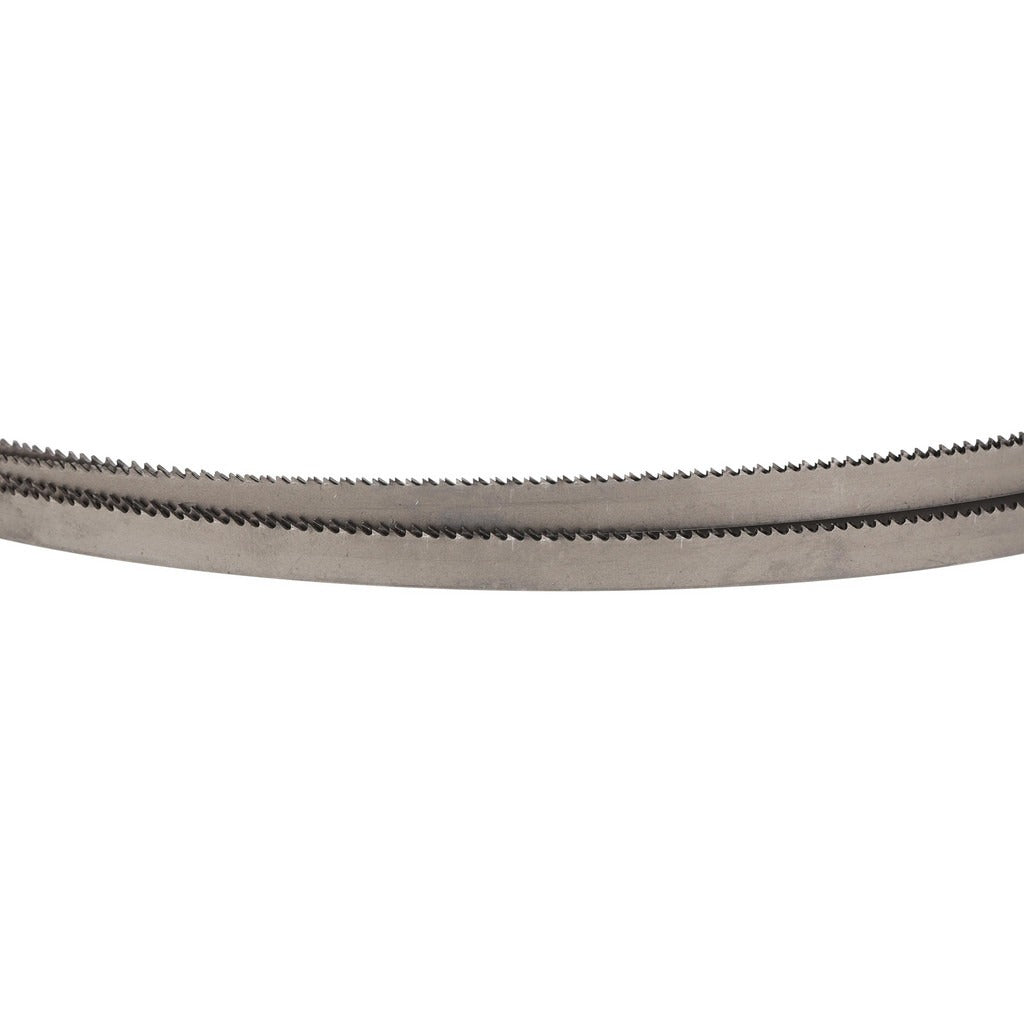
Lenox 1137D2C12127 Band Saw Blade Coil 10 Tpi 1/2 in

Availability:
In Stock
Ships same day if ordered by 12 pm
- $1,779.98
- $1,779.98
- Unit price
- / per
✓
Better Price in Cart
Manufacturer pricing rules prevent us from advertising our discount — no account or email required to see it.
-
Secure Payments
-
Easy Returns
-
Expert Advice
-
Fast Shipping
Product Description
The LENOX 1137D2C12127 is a bi-metal band saw blade coil stock designed for continuous-use cutting applications in metal fabrication, pipe work, and general trade cutting environments. The coil measures 250 feet in length and 0.5 inches wide with a blade thickness of 0.035 inches, allowing shops to cut custom blade lengths to fit a wide range of band saw models. The bi-metal construction pairs a flexible alloy steel back with high speed steel teeth, delivering durability under heat and stress. At 10 teeth per inch with a constant pitch and raker tooth set, this blade handles straight and contour cuts in metal stock with consistent results.
This coil stock is suited for professional metalworking shops, HVAC fabrication environments, plumbing contractors, and maintenance facilities that run band saws regularly. The 250-foot coil format reduces downtime by keeping a ready supply of blade material on hand, allowing technicians to weld or braze custom-length blades as needed. The flexible back design accommodates tighter wheel radii and reduces blade fatigue during contour cutting operations. It is intended for use by trades that regularly cut metal conduit, pipe, tubing, or structural stock.
Key Features
- Bi-metal construction with high speed steel teeth for extended blade life in metal cutting
- 10 teeth per inch constant pitch for consistent chip load and cut quality
- Raker tooth set promotes efficient chip clearance in ferrous and non-ferrous metals
- Flexible back reduces fatigue and supports contour cutting capability
- 250-foot coil length supplies a full shop inventory for custom blade welding
- 0.035-inch blade thickness balances rigidity and flexibility across compatible saw wheel diameters
Compatibility
Designed as a coil-stock replacement for band saws that accept 0.5-inch wide bi-metal blades; compatible saw models are determined by wheel diameter, blade guide clearance, and welder capability at the installing shop.
Installation Notes
Blade cutting and welding from coil stock should be performed by a qualified technician using a blade welder and grinder appropriate for bi-metal material. Disconnect and lock out the band saw from its power source before removing the existing blade or installing a new one. Verify blade tension, guide alignment, and wheel tracking per the saw manufacturer specifications before resuming operation. Improper weld joints or incorrect blade tension are the leading causes of premature blade failure and should be inspected prior to each use.
Technical Specifications

Complete your install
We pulled together the parts most installs need for this unit, plus a few add-ons worth a look. Check what you need — nothing here blocks checkout.
Loading install accessories...
Add install kit to cart
—
Related Products
- Choosing a selection results in a full page refresh.