


Search
-
HVAC Equipment
-
Ductless Mini Splits
- Ductless Mini Splits
- Shop By Zone
- Shop by BTU
- Shop By Brand
- Components
- Accessories
-
HVAC Parts & Supplies
- HVAC Parts & Supplies
- HVAC Supplies
- HVAC Tools
-
HVAC Replacement Parts
- Blower Housing & Assemblies
- Blower Wheels
- Breakers, Contactors & Disconnects
- Capacitors & Transformers
- Control & Circuit Boards
- Filter Driers & Accumulators
- Gas Valves & Conversion Kits
- Heat Exchangers
- Thermal Expansion Valves (TXV)
- Temperature Controls
- Wall Brackets & Parts
- Miscellaneous Parts
- O-Rings & Gaskets
- Hydronics
- Motors
- Thermostats & Zoning
-
Plumbing
-
Pool
-
Electrical
-
Air Quality
-
Tools & Supplies
-
Door Security & Hardware


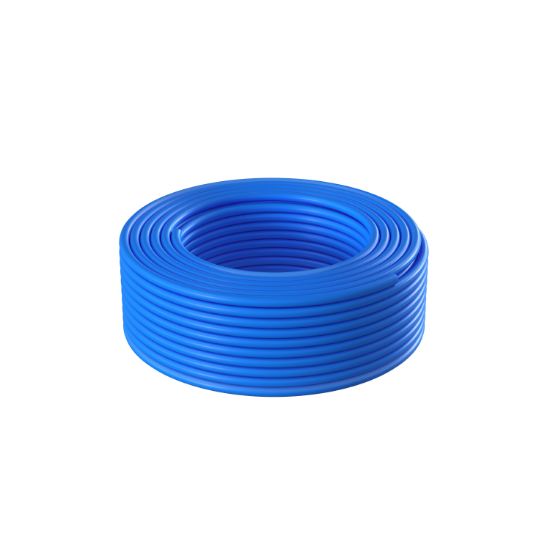

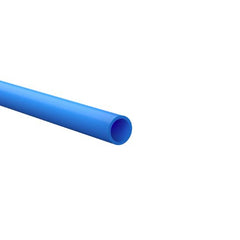

Jones Stephens c76907 Pex-b Tubing 1/2 In. X 300 Ft.
Availability:
In Stock

Ships same day if ordered by 12 pm
- $575.07
- $575.07
- Unit price
- / per
✓
Better Price in Cart
Manufacturer pricing rules prevent us from advertising our discount — no account or email required to see it.
-
Secure Payments
-
Easy Returns
-
Expert Advice
-
Fast Shipping
Product Description
The JONES STEPHENS c76907 is a 1/2-inch PEX-B crosslinked polyethylene coil tubing supplied in a 300-foot length for residential and light commercial potable water plumbing systems. Rated to 160 psi maximum working pressure and a maximum temperature of 203 degrees F, this tubing is manufactured to ASTM F876 standards and carries NSF 14, NSF 61, and NSF 372 certifications, confirming it meets lead-free and potable water safety requirements. The blue color coding identifies it as cold-water supply line material. Its flexible construction allows it to bend around obstacles without fittings, reducing labor and potential leak points in rough-in work.
This tubing is suited for residential and light commercial potable water distribution, including hot and cold supply lines, manifold-based home-run systems, and radiant applications where PEX-B is the specified material. The 300-foot coil format is practical for new construction and remodel projects where longer continuous runs reduce joint count. It is compatible with F1807 crimp-style, F2159 cinch-style, and other standard insert-type PEX fittings, making it straightforward to work with using common tooling already in most plumbers' kits. CSA B137.5 certification supports use in Canadian jurisdictions as well.
Key Features
- PEX-B crosslinked polyethylene construction rated to 160 psi maximum working pressure
- Maximum service temperature of 203 degrees F
- NSF 14, NSF 61, and NSF 372 certified for potable water and lead-free compliance
- ASTM F876 and CSA B137.5 listed for broad code acceptance
- Compatible with F1807 and F2159 insert fittings and other standard PEX insert styles
- Blue color coding for cold-water line identification
- Corrosion-resistant polyethylene material eliminates scale and pitting concerns
Compatibility
Approved for use with F1807 crimp-style and F2159 cinch-style insert fittings, as well as other standard PEX insert fittings. Suitable for potable water plumbing applications meeting ASTM F876 and CSA B137.5 requirements.
Installation Notes
Installation is typically performed by licensed plumbers in accordance with the International Plumbing Code and applicable local amendments. Power or water supply to the system should be shut off and pressure relieved before connecting to existing supply lines. Use the correct crimp or cinch tool sized for 1/2-inch PEX to ensure a leak-free connection at insert fittings. Avoid kinking the tubing during routing; use bend supports or bend guides when making sharp directional changes.
Technical Specifications

Complete your install
We pulled together the parts most installs need for this unit, plus a few add-ons worth a look. Check what you need — nothing here blocks checkout.
Loading install accessories...
Add install kit to cart
—
Related Products
- Choosing a selection results in a full page refresh.