


Search
-
HVAC Equipment
-
Ductless Mini Splits
- Ductless Mini Splits
- Shop By Zone
- Shop by BTU
- Shop By Brand
- Components
- Accessories
-
HVAC Parts & Supplies
- HVAC Parts & Supplies
- HVAC Supplies
- HVAC Tools
-
HVAC Replacement Parts
- Blower Housing & Assemblies
- Blower Wheels
- Breakers, Contactors & Disconnects
- Capacitors & Transformers
- Control & Circuit Boards
- Filter Driers & Accumulators
- Gas Valves & Conversion Kits
- Heat Exchangers
- Thermal Expansion Valves (TXV)
- Temperature Controls
- Wall Brackets & Parts
- Miscellaneous Parts
- O-Rings & Gaskets
- Hydronics
- Motors
- Thermostats & Zoning
-
Plumbing
-
Pool
-
Electrical
-
Air Quality
-
Tools & Supplies
-
Door Security & Hardware


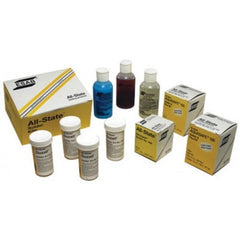
Esab 69080210 Aluminum Brazing Flux 14 Oz Jar

Availability:
In Stock
Ships same day if ordered by 12 pm
- $100,006.99
- $100,006.99
- Unit price
- / per
✓
Better Price in Cart
Manufacturer pricing rules prevent us from advertising our discount — no account or email required to see it.
-
Secure Payments
-
Easy Returns
-
Expert Advice
-
Fast Shipping
Product Description
The ESAB 69080210 is a light blue powdered brazing flux formulated for use on aluminum base metals, sold in a 14-ounce plastic jar. Known under the All-State Brazaloy No. 31 designation, this flux is designed to remove surface oxides and protect the joint area during the brazing process, allowing filler metal to flow cleanly into the joint. It is used in plumbing, HVAC, and refrigeration work where aluminum components require a strong, leak-free brazed connection. Licensed trade professionals including HVAC technicians and plumbers typically apply this product during copper-to-aluminum or aluminum-to-aluminum brazing operations.
This flux is suited for sheet aluminum and extruded aluminum profiles, two of the most common aluminum forms encountered in HVAC coil fabrication, refrigeration piping, and light mechanical assemblies. The light blue color provides visual confirmation of flux placement before and during heating, helping technicians monitor coverage across the joint area. The plastic jar packaging is sized for bench or field use without excessive waste for single-job applications.
Key Features
- Powdered flux formulation designed specifically for aluminum base metals
- Light blue color aids visual confirmation of flux coverage during application
- Suitable for both sheet aluminum and extruded aluminum workpieces
- Packaged in a 14-ounce plastic jar for controlled dispensing
- All-State Brazaloy No. 31 designation for cross-reference identification
Compatibility
Designed for brazing applications on sheet aluminum and extruded aluminum substrates. Consult ESAB technical data for compatible filler alloys and flux activity temperature ranges specific to your aluminum alloy series.
Installation Notes
Aluminum brazing should be performed by qualified HVAC technicians or plumbers familiar with aluminum heat sensitivity and proper torch technique. Always follow applicable mechanical and safety codes, including ANSI and AWS brazing standards, when performing brazed joints on pressurized systems. Clean the base metal thoroughly before applying flux, and apply heat evenly to avoid localized overheating, which can damage aluminum. Residual flux must be removed after brazing per the manufacturer instructions to prevent corrosion at the joint.
Technical Specifications

Complete your install
We pulled together the parts most installs need for this unit, plus a few add-ons worth a look. Check what you need — nothing here blocks checkout.
Loading install accessories...
Add install kit to cart
—
Related Products
- Choosing a selection results in a full page refresh.