


Search
-
HVAC Equipment
-
Ductless Mini Splits
- Ductless Mini Splits
- Shop By Zone
- Shop by BTU
- Shop By Brand
- Components
- Accessories
-
HVAC Parts & Supplies
- HVAC Parts & Supplies
- HVAC Supplies
- HVAC Tools
-
HVAC Replacement Parts
- Blower Housing & Assemblies
- Blower Wheels
- Breakers, Contactors & Disconnects
- Capacitors & Transformers
- Control & Circuit Boards
- Filter Driers & Accumulators
- Gas Valves & Conversion Kits
- Heat Exchangers
- Thermal Expansion Valves (TXV)
- Temperature Controls
- Wall Brackets & Parts
- Miscellaneous Parts
- O-Rings & Gaskets
- Hydronics
- Motors
- Thermostats & Zoning
-
Plumbing
-
Pool
-
Electrical
-
Air Quality
-
Tools & Supplies
-
Door Security & Hardware


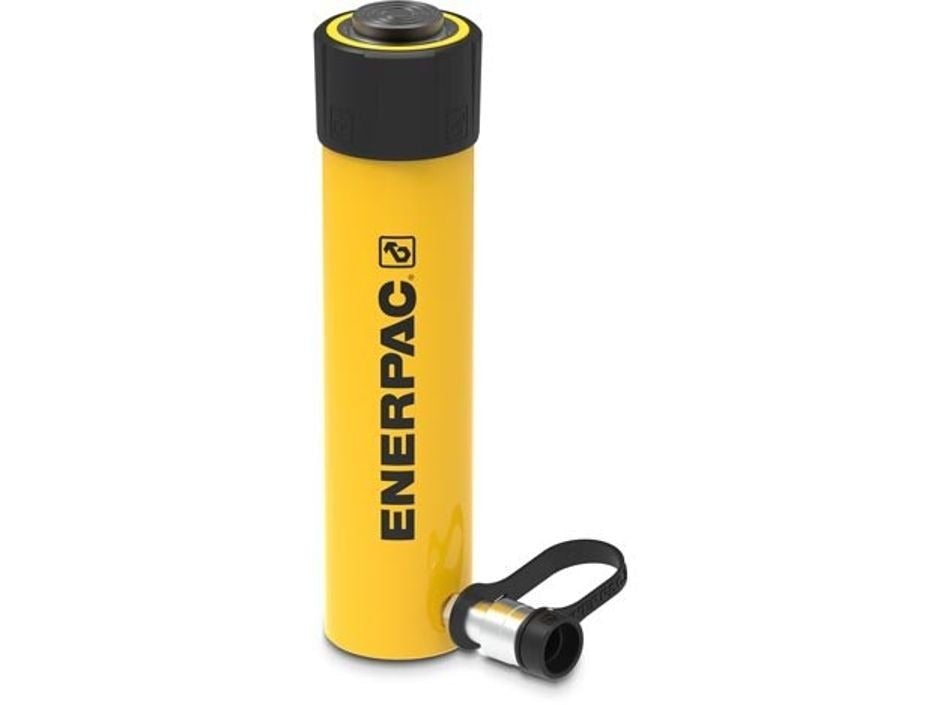
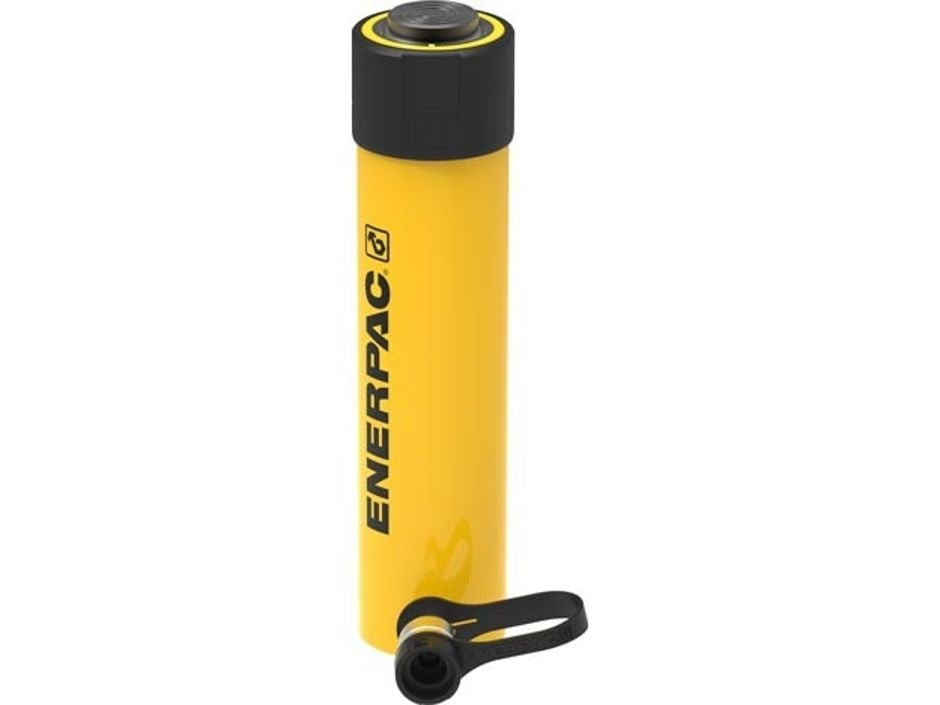

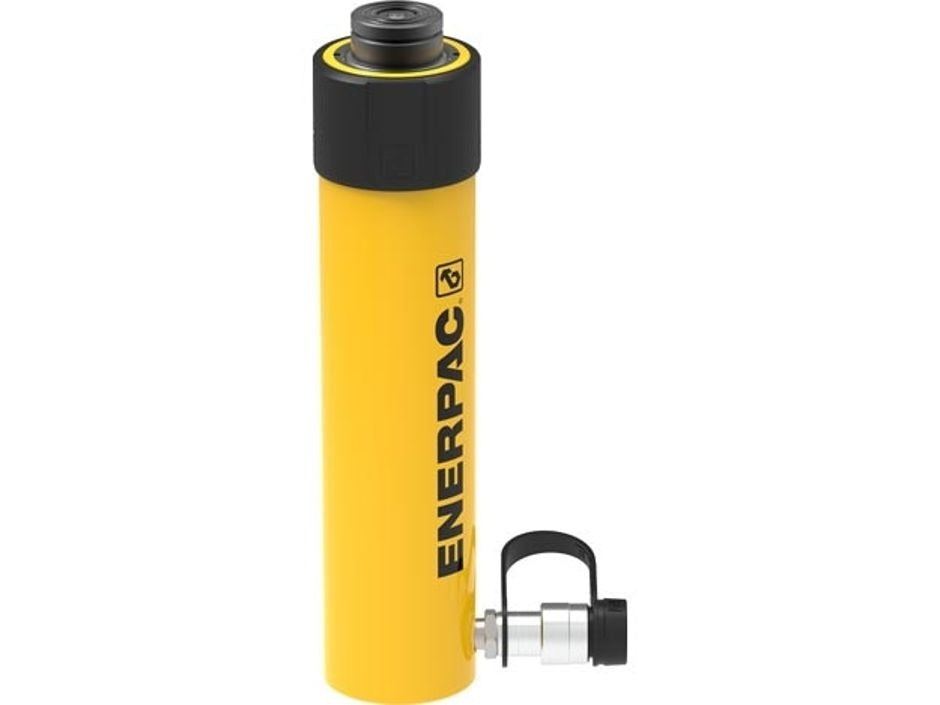
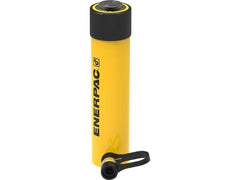
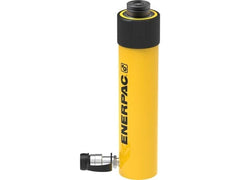

Enerpac rc2510 Hydraulic Cylinder 25.8 Ton 10.25 in Stroke
Availability:
In Stock

Ships same day if ordered by 12 pm
- $2,129.91
- $2,129.91
- Unit price
- / per
✓
Better Price in Cart
Manufacturer pricing rules prevent us from advertising our discount — no account or email required to see it.
-
Secure Payments
-
Easy Returns
-
Expert Advice
-
Fast Shipping
Product Description
The ENERPAC rc2510 is a single-acting, general-purpose hydraulic cylinder designed for heavy-duty lifting, pushing, and pressing applications. Part of the RC-TRIO generation of the RC-Series line, it delivers 25.8 tons of capacity with a 10.25-inch stroke. A pre-tensioned spring provides fast plunger retraction, reducing cycle time on the job. The bearing system uses composite wear bands and a hardened stop ring to resist side-load stress, limiting damage and reducing repair frequency. High-grade polyethylene seals and a plunger wiper contribute to extended service life in demanding field conditions. This cylinder is typically installed by hydraulic tool technicians, maintenance mechanics, and industrial service professionals.
The rc2510 is suited for residential, commercial, and industrial applications where controlled hydraulic force is required. Common use cases include structural lifting, equipment alignment, pressing, and maintenance work on heavy machinery. The RC-TRIO design shares the same dimensions and thread patterns as prior RC-Series cylinders, making it a direct fit for operations already running RC-Series tooling. Its compact general-purpose form factor makes it adaptable across a wide range of job site and shop environments.
Key Features
- 25.8-ton capacity single-acting hydraulic cylinder with 10.25-inch stroke
- Pre-tensioned spring for fast plunger retraction and improved cycle productivity
- Composite wear bands and hardened stop ring resist side-load and extend service life
- High-grade polyethylene seals and plunger wiper for leak resistance and durability
- Tough external finish engineered for extended use in harsh working environments
- Shares dimensions and threads with prior RC-Series cylinders for full backward compatibility
Compatibility
The rc2510 shares the same dimensions and thread patterns as prior generation ENERPAC RC-Series single-acting hydraulic cylinders, making it a compatible replacement or addition for operations already using RC-Series equipment.
Installation Notes
Installation and operation of hydraulic cylinders should be performed by qualified hydraulic tool technicians or licensed industrial mechanics. Before servicing or connecting hydraulic lines, relieve all system pressure and confirm the cylinder is fully retracted. Ensure the work surface and saddle contact points are capable of supporting the rated load before applying pressure. Follow applicable industry safety standards and equipment manufacturer guidelines for hydraulic system assembly and load handling.
Technical Specifications

Complete your install
We pulled together the parts most installs need for this unit, plus a few add-ons worth a look. Check what you need — nothing here blocks checkout.
Loading install accessories...
Add install kit to cart
—
Related Products
- Choosing a selection results in a full page refresh.