


Search
-
HVAC Equipment
-
Ductless Mini Splits
- Ductless Mini Splits
- Shop By Zone
- Shop by BTU
- Shop By Brand
- Components
- Accessories
-
HVAC Parts & Supplies
- HVAC Parts & Supplies
- HVAC Supplies
- HVAC Tools
-
HVAC Replacement Parts
- Blower Housing & Assemblies
- Blower Wheels
- Breakers, Contactors & Disconnects
- Capacitors & Transformers
- Control & Circuit Boards
- Filter Driers & Accumulators
- Gas Valves & Conversion Kits
- Heat Exchangers
- Thermal Expansion Valves (TXV)
- Temperature Controls
- Wall Brackets & Parts
- Miscellaneous Parts
- O-Rings & Gaskets
- Hydronics
- Motors
- Thermostats & Zoning
-
Plumbing
-
Pool
-
Electrical
-
Air Quality
-
Tools & Supplies
-
Door Security & Hardware


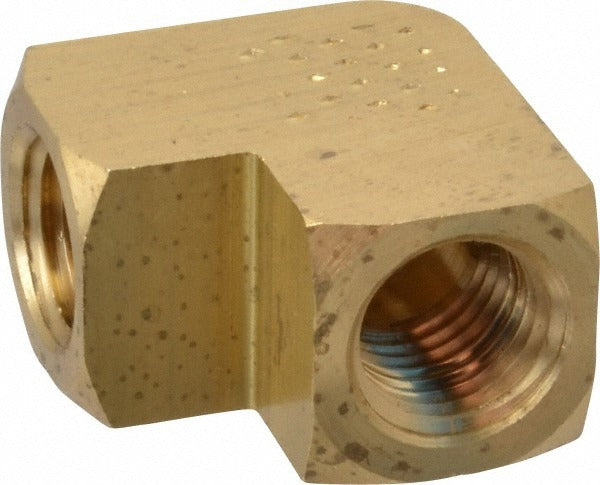
Eaton 3500X4 90 Degree Female Pipe Elbow 1/4 Inch Fnptf

Availability:
In Stock
Ships same day if ordered by 12 pm
- $18.96
- $18.96
- Unit price
- / per
✓
Better Price in Cart
Manufacturer pricing rules prevent us from advertising our discount — no account or email required to see it.
-
Secure Payments
-
Easy Returns
-
Expert Advice
-
Fast Shipping
Product Description
The EATON 3500X4 is a 90-degree female pipe elbow fitting designed for industrial fluid and pneumatic piping systems. It accepts 1/4-inch female threads on both ports and uses the FNPTF (Female National Pipe Thread Fuel) thread standard for a pressure-tight, tapered-thread connection. Rated to 1,200 psi maximum working pressure, this elbow handles demanding service conditions across a wide temperature range of -65 degrees F to 250 degrees F. It is sized for tight routing situations where a direction change from straight pipe run is required. Licensed plumbers, pipefitters, and industrial maintenance technicians install this fitting in hydraulic, pneumatic, fuel, and general fluid transfer lines.
The 3500X4 is suited for residential and commercial piping applications where a 90-degree change of direction is needed in a 1/4-inch pipe circuit. Typical installations include compressed air distribution, hydraulic control lines, fuel supply systems, and general-purpose fluid transfer assemblies. Its FNPTF thread classification makes it compatible with standard tapered male pipe threads commonly found throughout industrial and commercial fluid systems. The fitting meets SAE J30238 standards, making it appropriate for systems where documented thread and pressure performance is required.
Key Features
- 90-degree female elbow provides a right-angle direction change in pipe runs
- 1/4-inch FNPTF threads on both ports for secure, leak-resistant tapered connections
- 1,200 psi maximum working pressure rating for demanding hydraulic and pneumatic service
- Wide temperature range: -65 degrees F minimum to 250 degrees F maximum
- Meets SAE J30238 standard for thread and pressure performance documentation
- Compact, single-piece construction suitable for space-restricted installations
Compatibility
Designed as an OEM-style replacement fitting for industrial piping systems using 1/4-inch FNPTF female threaded connections in hydraulic, pneumatic, fuel, and general fluid transfer applications.
Installation Notes
Installation is typically performed by licensed plumbers, pipefitters, or qualified industrial maintenance technicians. Depressurize and drain the line completely before removing any existing fitting or installing this elbow. Apply an appropriate thread sealant compatible with the system fluid to the mating male threads prior to assembly. Do not overtighten; consult applicable piping codes such as the IPC or relevant ASME standards for proper assembly practice.
WARNING: This product can expose you to chemicals including lead, which are known to the State of California to cause cancer and birth defects or other reproductive harm. For more information go to www.P65Warnings.ca.gov.
Technical Specifications

Complete your install
We pulled together the parts most installs need for this unit, plus a few add-ons worth a look. Check what you need — nothing here blocks checkout.
Loading install accessories...
Add install kit to cart
—
Related Products
- Choosing a selection results in a full page refresh.