


Search
-
HVAC Equipment
-
Ductless Mini Splits
- Ductless Mini Splits
- Shop By Zone
- Shop by BTU
- Shop By Brand
- Components
- Accessories
-
HVAC Parts & Supplies
- HVAC Parts & Supplies
- HVAC Supplies
- HVAC Tools
-
HVAC Replacement Parts
- Blower Housing & Assemblies
- Blower Wheels
- Breakers, Contactors & Disconnects
- Capacitors & Transformers
- Control & Circuit Boards
- Filter Driers & Accumulators
- Gas Valves & Conversion Kits
- Heat Exchangers
- Thermal Expansion Valves (TXV)
- Temperature Controls
- Wall Brackets & Parts
- Miscellaneous Parts
- O-Rings & Gaskets
- Hydronics
- Motors
- Thermostats & Zoning
-
Plumbing
-
Pool
-
Electrical
-
Air Quality
-
Tools & Supplies
-
Door Security & Hardware


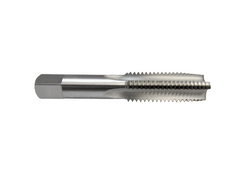
Eagle Cutting Tool HT-12500-7-T-I Hand Taper Tap 1-1/4in 7 Tpi
Availability:
In Stock

Ships same day if ordered by 12 pm
- $88.80
- $88.80
- Unit price
- / per
✓
Better Price in Cart
Manufacturer pricing rules prevent us from advertising our discount — no account or email required to see it.
-
Secure Payments
-
Easy Returns
-
Expert Advice
-
Fast Shipping
Product Description
The EAGLE CUTTING TOOL HT-12500-7-T-I is a hand taper tap sized 1-1/4 inch diameter with a 7 threads-per-inch (TPI) thread pitch, manufactured from high-speed steel (HSS). A taper tap features a gradual thread lead that helps start a new thread in an unthreaded hole, distributing cutting load across multiple teeth for easier initial engagement. This tool is used by machinists, pipefitters, and maintenance trades to cut internal threads by hand using a tap wrench or suitable driver. The HSS construction provides adequate hardness and wear resistance for threading steel, cast iron, aluminum, and similar materials in general-purpose shop and field applications.
This tap is suited for threading 1-1/4 inch holes with a 7 TPI Unified National Coarse (UNC) thread form, a common fastener thread used in heavy-duty mechanical and structural assemblies. Typical applications include threading pipe flanges, heavy equipment components, and large-diameter fastener holes in fabrication and repair work. It is appropriate for use in both shop environments and field maintenance situations where hand tapping of large-diameter threads is required.
Key Features
- 1-1/4 inch diameter, 7 TPI UNC thread profile for large-diameter hand tapping
- Taper lead geometry distributes cutting load for easier thread starting in new or blind holes
- High-speed steel (HSS) construction provides hardness suitable for general-purpose threading applications
- Hand tap design intended for use with a tap wrench for controlled manual thread cutting
- Minimum order quantity of 1 unit
Compatibility
Designed as a general-purpose hand taper tap for cutting 1-1/4 inch - 7 TPI UNC internal threads in unthreaded through holes or blind holes across a range of ferrous and non-ferrous base materials.
Installation Notes
Hand tapping should be performed by a qualified machinist or tradesperson using a properly sized tap wrench to maintain axial alignment with the drilled hole. Ensure the workpiece is securely clamped before tapping, and use an appropriate cutting fluid to reduce heat and extend tap life. Advance the tap in short increments, reversing periodically to break chips and prevent tap binding or breakage. Follow applicable shop safety practices and relevant trade standards when performing threading operations on pressurized or structural components.
Technical Specifications

Complete your install
We pulled together the parts most installs need for this unit, plus a few add-ons worth a look. Check what you need — nothing here blocks checkout.
Loading install accessories...
Add install kit to cart
—
Related Products
- Choosing a selection results in a full page refresh.