


Search
-
HVAC Equipment
-
Ductless Mini Splits
- Ductless Mini Splits
- Shop By Zone
- Shop by BTU
- Shop By Brand
- Components
- Accessories
-
HVAC Parts & Supplies
- HVAC Parts & Supplies
- HVAC Supplies
- HVAC Tools
-
HVAC Replacement Parts
- Blower Housing & Assemblies
- Blower Wheels
- Breakers, Contactors & Disconnects
- Capacitors & Transformers
- Control & Circuit Boards
- Filter Driers & Accumulators
- Gas Valves & Conversion Kits
- Heat Exchangers
- Thermal Expansion Valves (TXV)
- Temperature Controls
- Wall Brackets & Parts
- Miscellaneous Parts
- O-Rings & Gaskets
- Hydronics
- Motors
- Thermostats & Zoning
-
Plumbing
-
Pool
-
Electrical
-
Air Quality
-
Tools & Supplies
-
Door Security & Hardware


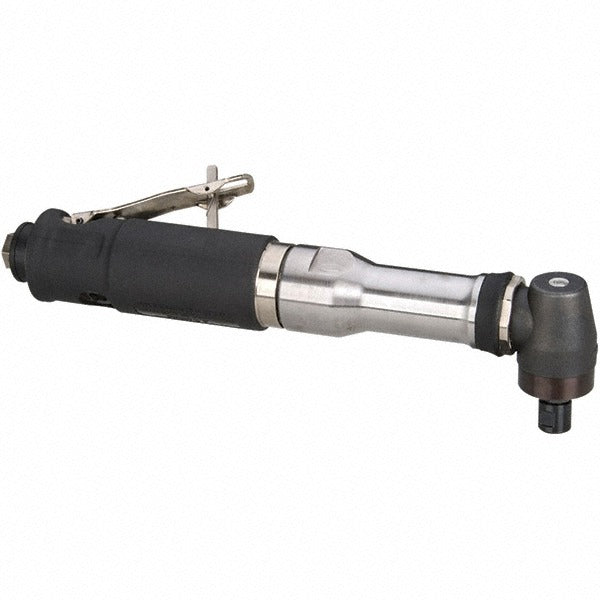
Dynabrade 54391 Angle Air Die Grinder 0.7 Hp 18000 Rpm
Availability:
In Stock

Ships same day if ordered by 12 pm
- $1,502.33
- $1,502.33
- Unit price
- / per
✓
Better Price in Cart
Manufacturer pricing rules prevent us from advertising our discount — no account or email required to see it.
-
Secure Payments
-
Easy Returns
-
Expert Advice
-
Fast Shipping
Product Description
The DYNABRADE 54391 is an angle air die grinder designed for precision material removal, grinding, and deburring in industrial and trade environments. Powered by compressed air at 90 psig operating pressure, it delivers 0.7 horsepower and spins up to 18,000 RPM, making it capable of sustained work on ferrous and non-ferrous metals, composites, and plastics. The lever throttle provides consistent speed control throughout the cut. Air consumption runs at 41 CFM, so pairing it with an adequately sized compressor is essential. Rear exhaust directs airflow away from the work surface and the operator. A licensed tool-and-die technician, machinist, or maintenance mechanic would typically deploy this grinder in fabrication, toolroom, or production grinding applications.
This grinder fits toolroom, fabrication, and production-line applications where a right-angle head is needed to access confined or awkward areas. The angle head geometry allows work in spots where a straight die grinder cannot reach, such as inside mold cavities, weld joints, and port work. It ships with both a 1/4 inch and a 6 mm collet insert, covering the two most common shank sizes used with mounted points, carbide burrs, and small abrasive wheels. The lever-style throttle gives the operator precise control over speed without requiring constant grip adjustment.
Key Features
- Angle head design provides access to confined work areas where straight grinders cannot reach
- 18,000 RPM maximum speed suitable for mounted points, carbide burrs, and small abrasive wheels
- Includes both 1/4 inch and 6 mm collet inserts for broad bit compatibility
- Lever throttle delivers consistent, controllable speed during operation
- Rear exhaust routes spent air away from the work surface and operator
- CE Certified and EAC Certified for compliance in applicable markets
Compatibility
Accepts 1/4 inch and 6 mm shank tooling including mounted grinding points, carbide burrs, and small abrasive wheels. Compatible with standard compressed air supply lines regulated to 90 psig.
Installation Notes
Installation and operation should be performed by a qualified technician familiar with pneumatic tooling and applicable workplace safety standards. Before connecting to the air supply, verify that the line pressure is regulated to the rated 90 psig operating pressure and that the compressor can sustain 41 CFM output to avoid performance loss. Always ensure the collet is fully seated and the locking mechanism is secure before running the spindle. Inspect the air line, fittings, and collet assembly for wear or damage before each use.
Technical Specifications

Complete your install
We pulled together the parts most installs need for this unit, plus a few add-ons worth a look. Check what you need — nothing here blocks checkout.
Loading install accessories...
Add install kit to cart
—
Related Products
- Choosing a selection results in a full page refresh.