


Search
-
HVAC Equipment
-
Ductless Mini Splits
- Ductless Mini Splits
- Shop By Zone
- Shop by BTU
- Shop By Brand
- Components
- Accessories
-
HVAC Parts & Supplies
- HVAC Parts & Supplies
- HVAC Supplies
- HVAC Tools
-
HVAC Replacement Parts
- Blower Housing & Assemblies
- Blower Wheels
- Breakers, Contactors & Disconnects
- Capacitors & Transformers
- Control & Circuit Boards
- Filter Driers & Accumulators
- Gas Valves & Conversion Kits
- Heat Exchangers
- Thermal Expansion Valves (TXV)
- Temperature Controls
- Wall Brackets & Parts
- Miscellaneous Parts
- O-Rings & Gaskets
- Hydronics
- Motors
- Thermostats & Zoning
-
Plumbing
-
Pool
-
Electrical
-
Air Quality
-
Tools & Supplies
-
Door Security & Hardware


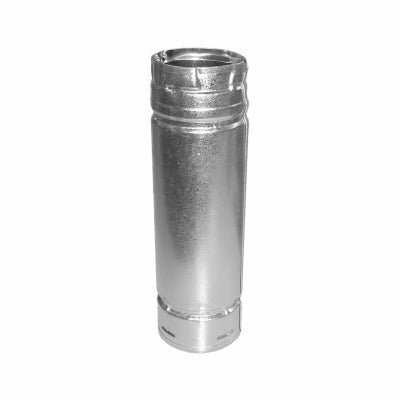
Duravent 4PVL-24R Pellet Vent Pipe 4x24 Inches Double Wall
Availability:
Out Of Stock
Ships in 3 - 4 Business Days
- $158.75
- $158.75
- Unit price
- / per
✓
Better Price in Cart
Manufacturer pricing rules prevent us from advertising our discount — no account or email required to see it.

Secure Payments
-
Easy Returns
-
Expert Advice
-
Fast Shipping
Product Description
The DURAVENT 4PVL-24R is a double-wall, air-insulated pellet vent pipe section designed for venting wood pellet stoves and inserts. It measures 4 inches inner diameter by 24 inches in length, with a 4-1/2 inch outer diameter. The inner wall is constructed from .012 inch super ferritic stainless steel, and the outer wall is .018 inch laser-welded Galvalume. The fully unitized, twist-lock construction simplifies field assembly and ensures a secure, repeatable connection. This pipe section is UL Listed and carries a 3-inch clearance-to-combustibles rating for use in both the USA and Canada. It is also required for pellet appliance installations at elevations above 4,000 feet.
This pipe section is suitable for both vertical and horizontal pellet vent runs in residential and light-commercial settings. It is specifically engineered for stoves and inserts that burn wood pellets, where exhaust temperatures and combustion byproducts differ from standard wood-burning or gas appliances. Typical installations include freestanding pellet stoves and fireplace inserts routed through interior chases or exterior walls. The twist-lock design is well suited to service calls requiring quick disassembly and reassembly of vent sections.
Key Features
- Double-wall, air-insulated construction with .012 inch super ferritic stainless steel inner wall
- Outer wall is .018 inch laser-welded Galvalume for corrosion resistance
- Fully unitized twist-lock design for fast, secure assembly without additional fasteners
- Approved for vertical and horizontal installations
- UL Listed with 3-inch clearance to combustibles — rated for USA and Canada
- Required for pellet appliance venting at elevations above 4,000 feet
Compatibility
Designed for use with wood pellet stoves and pellet fireplace inserts that require 4-inch pellet vent pipe. Compatible with the DuraVent PelletVent system using twist-lock connections. Not intended for natural gas, propane, oil, or standard wood-burning appliances.
Installation Notes
Installation should be performed by a qualified hearth or HVAC technician familiar with pellet vent system requirements and local building codes. Shut down and allow the appliance to cool completely before servicing or modifying any vent section. Maintain the minimum 3-inch clearance to combustibles throughout the entire vent run as required by the UL listing. Always consult the appliance manufacturer's installation manual and applicable local codes before finalizing the vent configuration.
Technical Specifications

Complete your install
We pulled together the parts most installs need for this unit, plus a few add-ons worth a look. Check what you need — nothing here blocks checkout.
Loading install accessories...
Add install kit to cart
—
Related Products
- Choosing a selection results in a full page refresh.