


Search
-
HVAC Equipment
-
Ductless Mini Splits
- Ductless Mini Splits
- Shop By Zone
- Shop by BTU
- Shop By Brand
- Components
- Accessories
-
HVAC Parts & Supplies
- HVAC Parts & Supplies
- HVAC Supplies
- HVAC Tools
-
HVAC Replacement Parts
- Blower Housing & Assemblies
- Blower Wheels
- Breakers, Contactors & Disconnects
- Capacitors & Transformers
- Control & Circuit Boards
- Filter Driers & Accumulators
- Gas Valves & Conversion Kits
- Heat Exchangers
- Thermal Expansion Valves (TXV)
- Temperature Controls
- Wall Brackets & Parts
- Miscellaneous Parts
- O-Rings & Gaskets
- Hydronics
- Motors
- Thermostats & Zoning
-
Plumbing
-
Pool
-
Electrical
-
Air Quality
-
Tools & Supplies
-
Door Security & Hardware


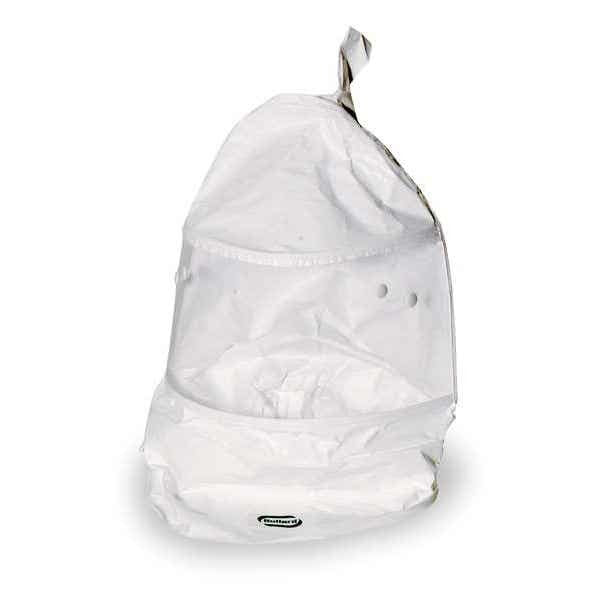
Bullard 20tjn Papr Tychem Bib Hood Full Mask
Availability:
In Stock

Ships same day if ordered by 12 pm
- $43.74
- $43.74
- Unit price
- / per
✓
Better Price in Cart
Manufacturer pricing rules prevent us from advertising our discount — no account or email required to see it.
-
Secure Payments
-
Easy Returns
-
Expert Advice
-
Fast Shipping
Product Description
The BULLARD 20TJN is a PAPR-compatible Tychem bib hood designed to protect against splash exposure from acids, bases, and a broad range of liquid chemicals. The hood covers the head, neck, and face, and features an outer bib that adds a secondary layer of overspray protection. A wide-angle lens is integrated into the design to support strong peripheral vision during use. This is a one-size-fits-all unit sold individually. The breathing tube assembly and airline hose are not included and must be sourced separately. Industrial hygienists, hazmat technicians, and safety professionals typically specify and deploy this hood in chemical handling and emergency response environments.
The 20TJN is suited for industrial and commercial environments where workers face incidental or direct liquid chemical splash. Typical applications include chemical processing facilities, laboratory environments, and hazardous material response scenarios. The Tychem material construction provides a barrier against a wide range of corrosive and hazardous liquids. The hood is intended for use with a powered air-purifying respirator system, making it appropriate for extended-duration tasks where respiratory protection is required alongside face and neck coverage.
Key Features
- Tychem material construction provides splash protection against many acids, bases, and liquid chemicals
- Outer bib design adds overspray coverage beyond the face and neck area
- Wide-angle lens supports broad peripheral vision during chemical handling tasks
- Full coverage of head, neck, and face in a single hood assembly
- One-size-fits-all design reduces inventory complexity for safety managers
- Manufactured in the USA (subject to change per supplier)
Compatibility
Designed for use with PAPR systems; breathing tube assembly and airline hose are sold separately and must be compatible with the end-use respirator system. No specific PAPR model compatibility was stated in the product data.
Installation Notes
Donning and doffing of chemical protective hoods should follow the facility safety officer's established procedures and applicable OSHA personal protective equipment standards. Inspect the hood for tears, compromised seams, or lens damage before each use. The breathing tube and airline connections must be secured before entering any hazardous environment. Disposal or decontamination procedures should follow site-specific protocols based on the chemicals involved.
Technical Specifications

Complete your install
We pulled together the parts most installs need for this unit, plus a few add-ons worth a look. Check what you need — nothing here blocks checkout.
Loading install accessories...
Add install kit to cart
—
Related Products
- Choosing a selection results in a full page refresh.