


Search
-
HVAC Equipment
-
Ductless Mini Splits
- Ductless Mini Splits
- Shop By Zone
- Shop by BTU
- Shop By Brand
- Components
- Accessories
-
HVAC Parts & Supplies
- HVAC Parts & Supplies
- HVAC Supplies
- HVAC Tools
-
HVAC Replacement Parts
- Blower Housing & Assemblies
- Blower Wheels
- Breakers, Contactors & Disconnects
- Capacitors & Transformers
- Control & Circuit Boards
- Filter Driers & Accumulators
- Gas Valves & Conversion Kits
- Heat Exchangers
- Thermal Expansion Valves (TXV)
- Temperature Controls
- Wall Brackets & Parts
- Miscellaneous Parts
- O-Rings & Gaskets
- Hydronics
- Motors
- Thermostats & Zoning
-
Plumbing
-
Pool
-
Electrical
-
Air Quality
-
Tools & Supplies
-
Door Security & Hardware


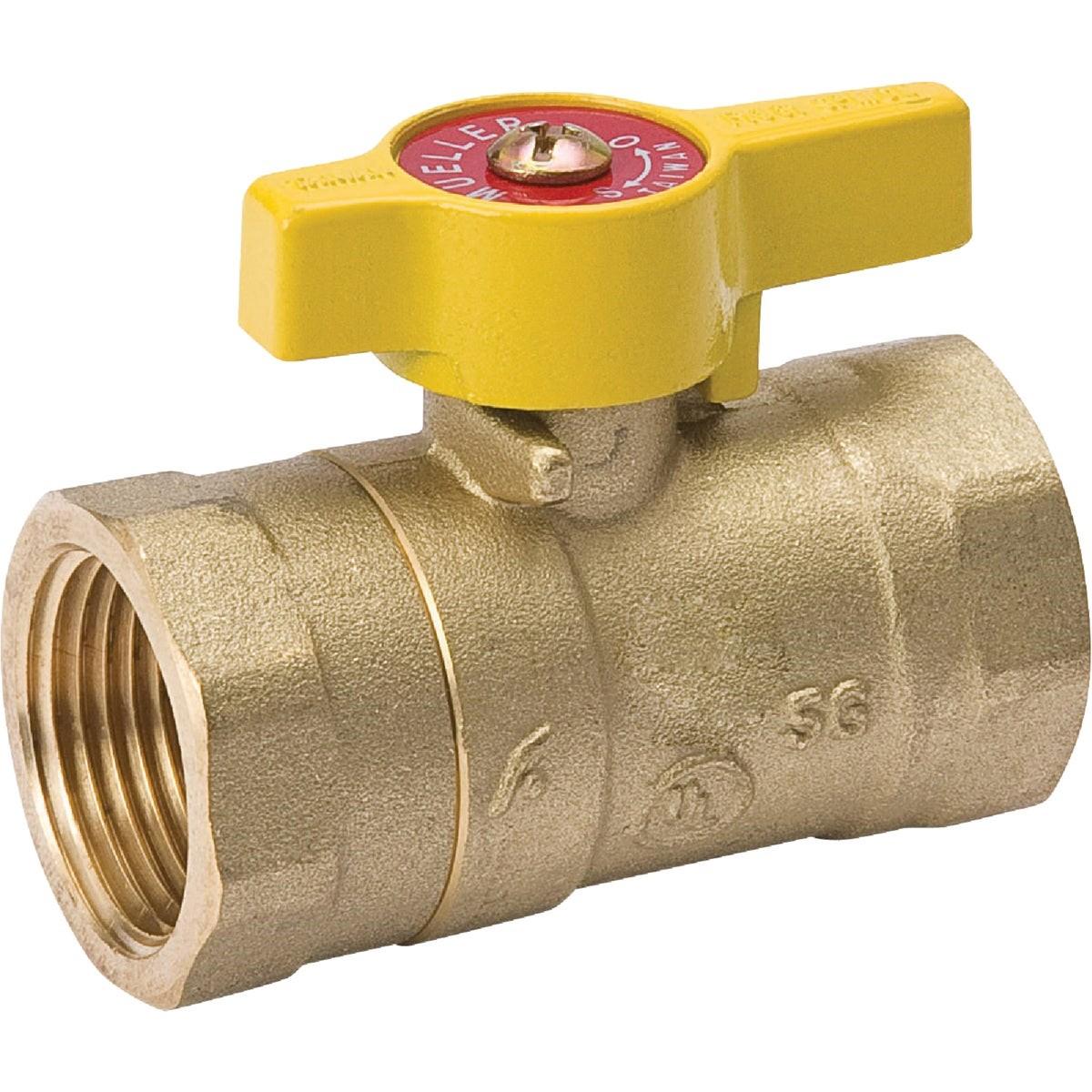

Bk 110-224HC 3/4 Inch Brass Quarter Turn Ball Valve
Ships in 1 - 2 Weeks
- $22.24
- $22.24
- Unit price
- / per
✓
Better Price in Cart
Manufacturer pricing rules prevent us from advertising our discount — no account or email required to see it.

Secure Payments
-
Easy Returns
-
Expert Advice
-
Fast Shipping
Product Description
The BK 110-224HC is a 3/4-inch brass quarter turn ball valve engineered for gas service applications. It features a two-piece body construction with a chrome-plated brass ball and female iron pipe (FIP) threaded connections on both ends, complying with ANSI B1.20.1 thread standards. The lever handle delivers a simple, positive on/off shutoff with a single 90-degree turn. Rated to 200 psi, this valve handles operating temperatures from -20 degrees F to 300 degrees F. The coated aluminum handle resists corrosion and solvent exposure, making it well suited for demanding installation environments. Licensed plumbers and gas fitters rely on this type of valve for reliable shutoff in residential and light commercial gas piping systems.
This valve is designed for gas distribution piping where a dependable manual shutoff is required. The multi-directional flow design and FIP x FIP configuration make it adaptable to a range of installation orientations. The 3/4-inch size fits common branch and main line gas piping in residential furnace, water heater, and appliance supply applications. Its certifications make it appropriate for installations subject to local gas code inspections.
Key Features
- Quarter turn lever handle for fast, positive on/off shutoff
- Chrome-plated brass ball for long-term sealing performance
- Two-piece brass body construction rated to 200 psi
- FIP x FIP threaded ends per ANSI B1.20.1
- Multi-directional flow accommodates varied installation orientations
- Coated aluminum handle resists corrosion and solvent damage
- Operating range of -20 degrees F to 300 degrees F
Compatibility
Designed for use in gas piping systems requiring a 3/4-inch FIP x FIP manual shutoff valve. Certified to CSA-ANSI Z21.15 (1/2 Psig), ANSI/ASME B16.44 (5G), and UL Listed, qualifying it for installations governed by standard residential and light commercial gas codes.
Installation Notes
Installation should be performed by a licensed plumber or gas fitter in accordance with applicable local gas codes and IFGC requirements. Shut off the gas supply at the meter or upstream shutoff and verify zero pressure before removing any existing valve or fittings. Use appropriate thread sealant rated for gas service on all FIP connections. After installation, pressure-test the joint and inspect for leaks before restoring gas flow.
WARNING: This product can expose you to chemicals including lead, which are known to the State of California to cause cancer and birth defects or other reproductive harm. For more information go to www.P65Warnings.ca.gov.
Technical Specifications

Complete your install
We pulled together the parts most installs need for this unit, plus a few add-ons worth a look. Check what you need — nothing here blocks checkout.
Loading install accessories...
Add install kit to cart
—
Related Products
- Choosing a selection results in a full page refresh.