


Search
-
HVAC Equipment
-
Ductless Mini Splits
- Ductless Mini Splits
- Shop By Zone
- Shop by BTU
- Shop By Brand
- Components
- Accessories
-
HVAC Parts & Supplies
- HVAC Parts & Supplies
- HVAC Supplies
- HVAC Tools
-
HVAC Replacement Parts
- Blower Housing & Assemblies
- Blower Wheels
- Breakers, Contactors & Disconnects
- Capacitors & Transformers
- Control & Circuit Boards
- Filter Driers & Accumulators
- Gas Valves & Conversion Kits
- Heat Exchangers
- Thermal Expansion Valves (TXV)
- Temperature Controls
- Wall Brackets & Parts
- Miscellaneous Parts
- O-Rings & Gaskets
- Hydronics
- Motors
- Thermostats & Zoning
-
Plumbing
-
Pool
-
Electrical
-
Air Quality
-
Tools & Supplies
-
Door Security & Hardware


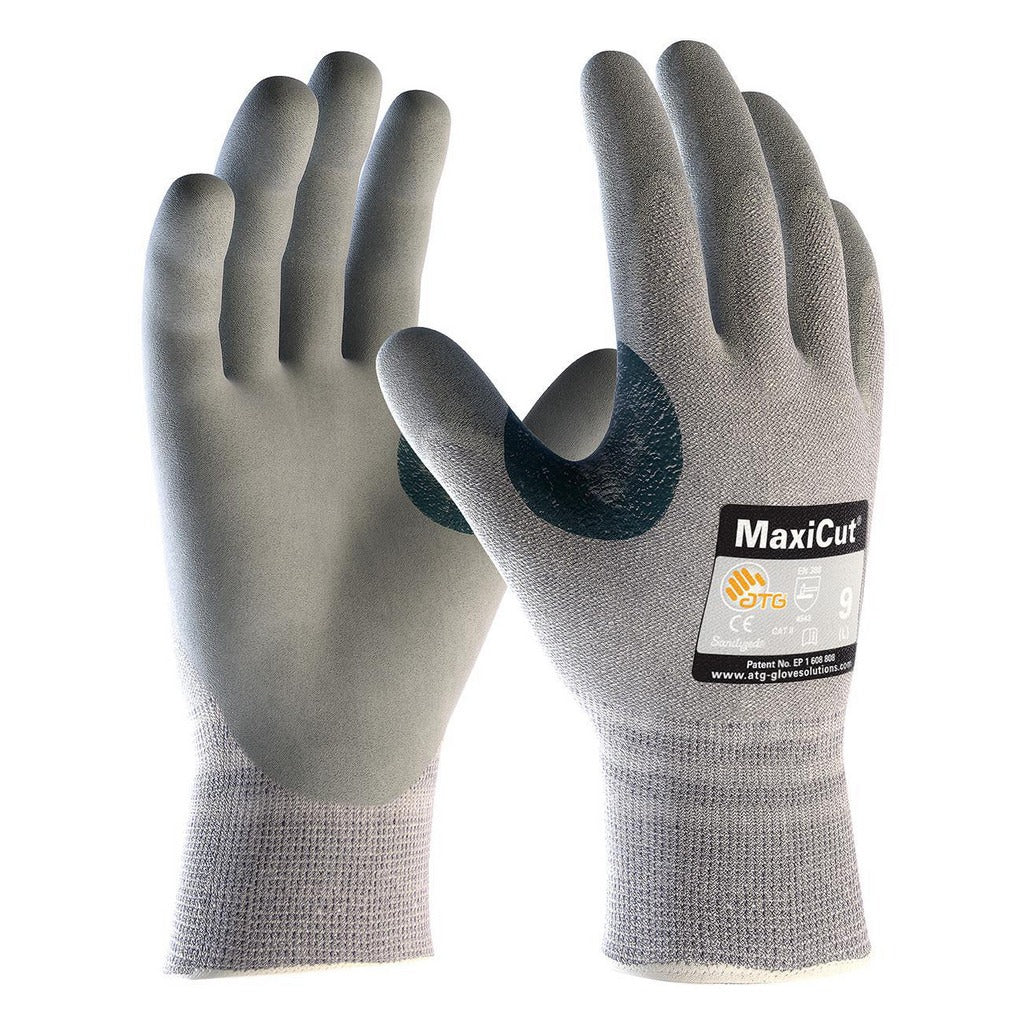
Atg 19-D470/XS Cut Resistant Gloves Xs Ansi A4 Nitrile
Availability:
Out Of Stock
- $49.06
- $49.06
- Unit price
- / per
✓
Better Price in Cart
Manufacturer pricing rules prevent us from advertising our discount — no account or email required to see it.

Secure Payments
-
Easy Returns
-
Expert Advice
-
Fast Shipping
Product Description
The ATG 19-D470/XS is a cut, puncture, and abrasion-resistant work glove engineered for trade professionals who handle sharp materials, sheet metal, glass, or wire in demanding environments. Built on a 13-gauge seamless Dyneema liner, the glove achieves an ANSI/ISEA Cut Level A4 and ANSI Puncture Level 3, providing reliable hand protection without sacrificing dexterity. The palm and fingers are dipped in nitrile with a MicroFoam finish, creating a textured grip surface that performs on dry and lightly damp workpieces. Overall length is 7.7 inches and the pair weighs 0.17 pounds. The slip-on knit cuff and lightweight construction make these gloves well-suited for extended wear during repetitive handling tasks.
These gloves are appropriate for residential and light commercial trade work involving sharp edges, abrasive surfaces, or puncture hazards. Typical applications include sheet metal handling during HVAC installation, wire pulling in electrical work, pipe fitting, and general mechanical assembly. The unisex XS sizing fits smaller hands without compromising the nitrile coating coverage across the palm and all fingers. The EN 388 rating of 4443DX confirms independent third-party performance testing for abrasion, cut, tear, and puncture resistance.
Key Features
- ANSI/ISEA Cut Resistance Level A4 with 13-gauge seamless Dyneema liner
- ANSI/ISEA Puncture Resistance Level 3 for protection against wire ends, fasteners, and sharp debris
- ANSI/ISEA Abrasion Resistance Level 3 rated for rough surface handling
- Nitrile MicroFoam dipped coating covers full palm and all fingers for consistent grip
- EN 388 rating 4443DX — independently tested to European cut and abrasion standards
- Slip-on knit cuff with seamless lining for all-day comfort and easy donning
Compatibility
Designed as a general-purpose cut-resistant work glove suitable for HVAC, electrical, plumbing, and mechanical trade tasks where ANSI A4 cut protection and nitrile grip coating are required.
Installation Notes
Inspect gloves before each use for coating tears, liner damage, or compromised seams that would reduce cut or puncture protection. These gloves are not rated as a blood-borne pathogen barrier and are not static dissipative — select an appropriate glove for those specific hazards. Replace gloves when visible wear, cuts, or coating separation are present. Follow applicable OSHA hand protection standards (29 CFR 1910.138) when selecting PPE for specific job hazards.
Technical Specifications

Complete your install
We pulled together the parts most installs need for this unit, plus a few add-ons worth a look. Check what you need — nothing here blocks checkout.
Loading install accessories...
Add install kit to cart
—
Related Products
- Choosing a selection results in a full page refresh.