


Search
-
HVAC Equipment
-
Ductless Mini Splits
- Ductless Mini Splits
- Shop By Zone
- Shop by BTU
- Shop By Brand
- Components
- Accessories
-
HVAC Parts & Supplies
- HVAC Parts & Supplies
- HVAC Supplies
- HVAC Tools
-
HVAC Replacement Parts
- Blower Housing & Assemblies
- Blower Wheels
- Breakers, Contactors & Disconnects
- Capacitors & Transformers
- Control & Circuit Boards
- Filter Driers & Accumulators
- Gas Valves & Conversion Kits
- Heat Exchangers
- Thermal Expansion Valves (TXV)
- Temperature Controls
- Wall Brackets & Parts
- Miscellaneous Parts
- O-Rings & Gaskets
- Hydronics
- Motors
- Thermostats & Zoning
-
Plumbing
-
Pool
-
Electrical
-
Air Quality
-
Tools & Supplies
-
Door Security & Hardware


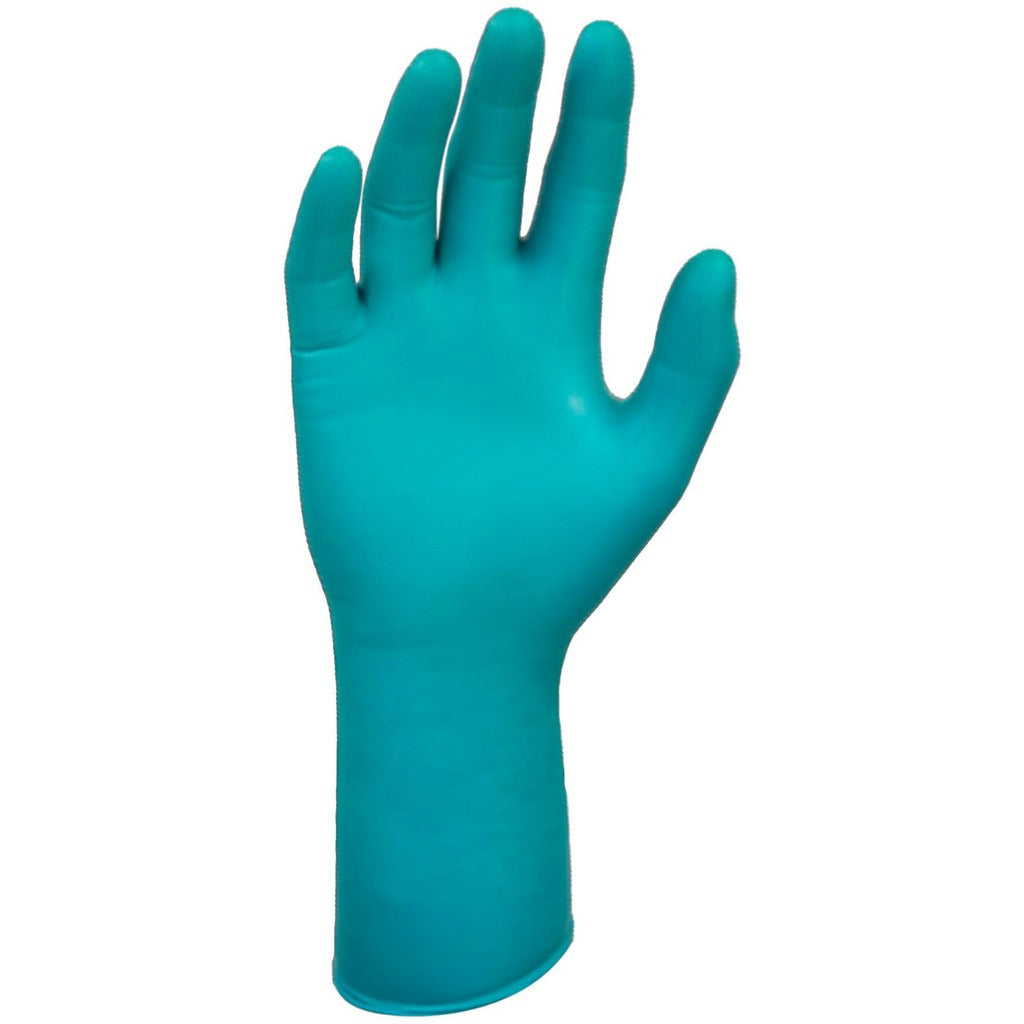

Ansell 93260060 Microflex Nitrile Gloves Xsmall 50pk
Availability:
In Stock

Ships same day if ordered by 12 pm
- $55.01
- $55.01
- Unit price
- / per
✓
Better Price in Cart
Manufacturer pricing rules prevent us from advertising our discount — no account or email required to see it.
-
Secure Payments
-
Easy Returns
-
Expert Advice
-
Fast Shipping
Product Description
The ANSELL 93260060 is a disposable nitrile and neoprene blend glove from the Microflex series, designed for industrial and chemical-handling applications. At 7.9 mil nominal thickness with an 8 mil nominal palm thickness, the glove provides a meaningful barrier against a broad range of chemicals without sacrificing dexterity. The extended 11-inch cuff with a rolled cuff style adds wrist and forearm protection during splash-prone tasks. Powder-free construction reduces contamination risk on the work surface. The ambidextrous fit and grain texture on the fingers improve grip on wet or oily components. A licensed HVAC tech, plumber, or industrial maintenance technician reaching for a disposable chemical-resistant glove will find this a practical everyday option.
This glove is suited for industrial maintenance, chemical handling, mechanical assembly, and general trade work where a heavier disposable glove is preferred over a thin exam-grade alternative. The green color allows quick visual identification on the job site. The static dissipative property makes it appropriate in environments where electrostatic discharge is a concern, such as working near sensitive electronic controls or circuit boards. Each package contains 50 ambidextrous gloves sized for an X-Small hand. The non-sterile designation confirms this is an industrial-grade product, not a medical device.
Key Features
- Nitrile and neoprene blend construction for broad chemical resistance
- 7.9 mil thickness with 8 mil nominal palm for durable barrier protection
- Extended 11-inch length with rolled cuff for added wrist coverage
- Powder-free design minimizes contamination on work surfaces and components
- Grain texture on fingers enhances grip on wet or oily surfaces
- Static dissipative properties suitable for use near sensitive electronics
- Ambidextrous fit for efficient glove management on the job
Compatibility
Designed as an industrial-grade disposable glove for chemical-resistant applications in HVAC, plumbing, electrical, and general maintenance trades. Meets EN ISO 21420:2020 and EN 374:2016 standards.
Installation Notes
Inspect each glove for tears or pinholes before use, particularly when handling corrosive chemicals or solvents. Dispose of gloves after a single use or immediately upon visible damage or chemical breakthrough. When working near electrical components, confirm the static dissipative rating is appropriate for the specific voltage class of the equipment being serviced. Follow applicable site safety protocols and SDS guidelines for the chemicals encountered.
Technical Specifications

Complete your install
We pulled together the parts most installs need for this unit, plus a few add-ons worth a look. Check what you need — nothing here blocks checkout.
Loading install accessories...
Add install kit to cart
—
Related Products
- Choosing a selection results in a full page refresh.