


Search
-
HVAC Equipment
-
Ductless Mini Splits
- Ductless Mini Splits
- Shop By Zone
- Shop by BTU
- Shop By Brand
- Components
- Accessories
-
HVAC Parts & Supplies
- HVAC Parts & Supplies
- HVAC Supplies
- HVAC Tools
-
HVAC Replacement Parts
- Blower Housing & Assemblies
- Blower Wheels
- Breakers, Contactors & Disconnects
- Capacitors & Transformers
- Control & Circuit Boards
- Filter Driers & Accumulators
- Gas Valves & Conversion Kits
- Heat Exchangers
- Thermal Expansion Valves (TXV)
- Temperature Controls
- Wall Brackets & Parts
- Miscellaneous Parts
- O-Rings & Gaskets
- Hydronics
- Motors
- Thermostats & Zoning
-
Plumbing
-
Pool
-
Electrical
-
Air Quality
-
Tools & Supplies
-
Door Security & Hardware


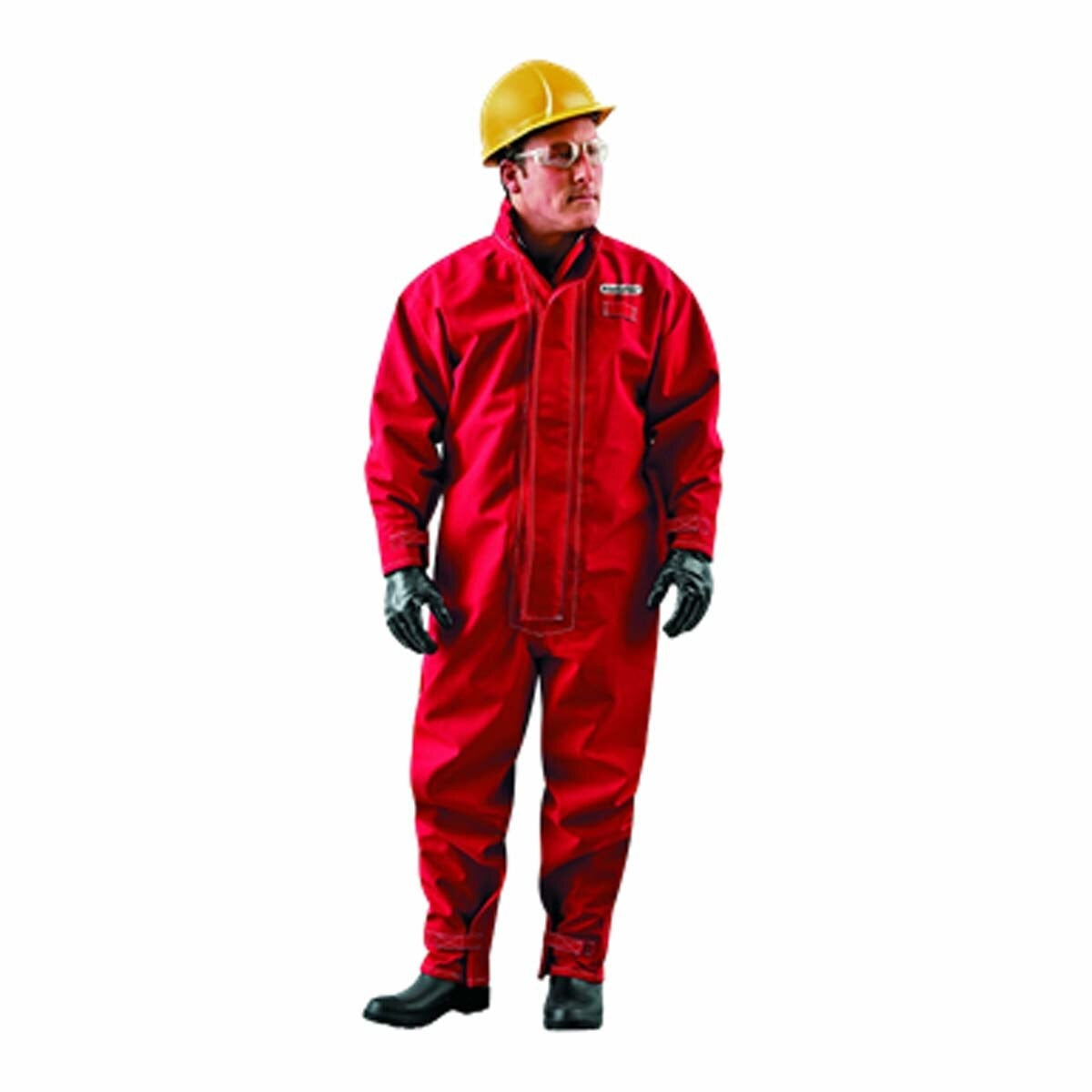
Ansell 66667l Alphatec 66-667 Chemical Coveralls Large
Availability:
In Stock

Ships same day if ordered by 12 pm
- $1,296.49
- $1,296.49
- Unit price
- / per
✓
Better Price in Cart
Manufacturer pricing rules prevent us from advertising our discount — no account or email required to see it.
-
Secure Payments
-
Easy Returns
-
Expert Advice
-
Fast Shipping
Product Description
The ANSELL 66667l is the AlphaTec 66-667 series chemical resistant coverall built for hazmat response and industrial chemical handling. The garment uses a breathable GoreTex membrane to manage heat stress during extended wear, while the laminated fabric construction is stitched and heat sealed to block liquid penetration. Certified to NFPA 1992 (2012 Edition) for Liquid Splash-Protective Clothing in Hazardous Materials Emergencies, this coverall provides penetration protection data against more than 70 chemicals. The durable laminated fabric is machine washable, supporting repeated use and cost-effective service life. Size is Large.
This coverall is suited for hazardous materials response teams, industrial chemical handling operations, and other environments where liquid chemical splash is a credible exposure risk. It is appropriate for both emergency response and routine chemical process work where full-body splash protection is required. The machine-washable construction makes it practical for organizations that need a reusable protective garment rather than a single-use disposable. A licensed safety professional or properly trained hazmat technician should evaluate garment selection relative to the specific chemical hazard present on site.
Key Features
- GoreTex breathable membrane manages heat stress during full-shift wear
- Stitched and heat-sealed seams prevent liquid penetration at seam joints
- Chemical splash fabric tested against more than 70 chemicals with penetration data
- Certified to NFPA 1992 (2012 Edition) Liquid Splash-Protective Clothing standard
- Machine-washable laminated fabric for reusable, cost-effective deployment
- Raglan sleeves with adjustable hook-and-loop closures at wrist, ankle, and front flap for a secure, comfortable fit
- Compatible with optional detachable hood (Ansell style 66-664) via hook-and-loop collar attachment
Compatibility
Designed for use as part of the AlphaTec 66-667 series system. Compatible with the optional Ansell 66-664 detachable hood, which attaches to the collar via hook-and-loop closure.
Installation Notes
Donning and doffing of chemical protective garments should follow site-specific standard operating procedures and applicable OSHA 29 CFR 1910.120 guidelines for hazardous materials operations. Always inspect the garment for damage, compromised seams, or failed closures before each use. Power down or de-energize any electrical equipment in the work area as applicable before entering the hazard zone. Decontamination procedures must be followed before removing the garment to prevent secondary exposure.
Technical Specifications
- Material: Red polyester laminated fabric with GoreTex breathable membrane
- Size: Large
- Seam Construction: Stitched and heat sealed
- Chemical Splash Coverage: Penetration data for more than 70 chemicals
- Certification: NFPA 1992 (2012 Edition) Liquid Splash-Protective Clothing for Hazardous Materials Emergencies
- Closure: Double front flap with adjustable hook-and-loop straps at wrist, ankle, and front
- Sleeve Style: Raglan
- Washability: Machine washable
Standard Information
- Brand: ANSELL
- Manufacturer Part Number: 66667l

Related Products
- Choosing a selection results in a full page refresh.