


Search
-
HVAC Equipment
-
Ductless Mini Splits
- Ductless Mini Splits
- Shop By Zone
- Shop by BTU
- Shop By Brand
- Components
- Accessories
-
HVAC Parts & Supplies
- HVAC Parts & Supplies
- HVAC Supplies
- HVAC Tools
-
HVAC Replacement Parts
- Blower Housing & Assemblies
- Blower Wheels
- Breakers, Contactors & Disconnects
- Capacitors & Transformers
- Control & Circuit Boards
- Filter Driers & Accumulators
- Gas Valves & Conversion Kits
- Heat Exchangers
- Thermal Expansion Valves (TXV)
- Temperature Controls
- Wall Brackets & Parts
- Miscellaneous Parts
- O-Rings & Gaskets
- Hydronics
- Motors
- Thermostats & Zoning
-
Plumbing
-
Pool
-
Electrical
-
Air Quality
-
Tools & Supplies
-
Door Security & Hardware


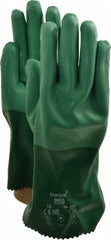
Ansell 212513 Chemical Resistant Neoprene Gloves Xl
Availability:
In Stock

Ships same day if ordered by 12 pm
- $21.71
- $21.71
- Unit price
- / per
✓
Better Price in Cart
Manufacturer pricing rules prevent us from advertising our discount — no account or email required to see it.
-
Secure Payments
-
Easy Returns
-
Expert Advice
-
Fast Shipping
Product Description
The ANSELL 212513 is a supported neoprene chemical resistant glove designed for trade and industrial professionals who handle hazardous chemicals, solvents, and oils. Built on the 08-352 series platform, it features a fully coated neoprene shell over a cotton interlock knit lining, delivering both chemical resistance and comfort during extended wear. The glove measures 12 inches in overall length with a gauntlet-style cuff for added wrist and forearm protection. The textured, rough grip surface maintains control on wet or oily parts and fittings. At 0.4 pounds per pair, it is lightweight enough for sustained use without hand fatigue. This glove is a standard choice for plumbers, HVAC technicians, pool service professionals, and general maintenance trades working near chemical exposure.
The ANSELL 212513 is suited for residential and commercial maintenance environments where contact with cleaning agents, mild acids, bases, or petroleum-based fluids is a regular part of the job. Pool service technicians working with chlorine and other pool chemicals will find the neoprene construction appropriate for their exposure profile. HVAC and plumbing contractors handling refrigerant system cleaners, flux removers, or drain treatments will also find this glove applicable. The gauntlet cuff design is especially useful in splash-prone scenarios where a standard wrist cuff would leave gaps in protection.
Key Features
- Fully coated neoprene construction provides broad chemical resistance against solvents, oils, and aqueous solutions
- Cotton interlock knit lining improves comfort and moisture management during extended wear
- Rough, textured grip surface maintains control on wet or slippery surfaces
- Gauntlet cuff style extends coverage beyond the wrist for splash protection
- ANSI/ISEA Abrasion Resistance Level 3 rated for durability in rough-handling tasks
- Meets EN 374, EN 388 3121, EN 407, and EN ISO 374-1:2016 Type A standards
Compatibility
Designed as a general-purpose chemical resistant glove for X-Large hand sizes in trade and industrial applications requiring neoprene protection against chemical splash and abrasion.
Installation Notes
Inspect gloves for cuts, punctures, or degradation before each use, particularly after exposure to aggressive chemicals. Do not use these gloves near open flames or high-heat sources, as the neoprene material has limited thermal protection per EN 407 ratings. Replace gloves immediately if the coating shows cracking, swelling, or discoloration that indicates chemical breakthrough. Proper donning and doffing technique should be followed to avoid contact with the contaminated outer surface during removal.
Technical Specifications

Complete your install
We pulled together the parts most installs need for this unit, plus a few add-ons worth a look. Check what you need — nothing here blocks checkout.
Loading install accessories...
Add install kit to cart
—
Related Products
- Choosing a selection results in a full page refresh.